
Unlocking the Essential Components of Map Creation for Enhanced Navigation
Understanding the Importance and Functionality of Maps in Geography
A map is a fundamental visual tool that provides an essential illustration of a particular geographical area. It effectively highlights various landmarks, geographical features, and critical details that are vital for navigation. By employing a combination of symbols, colours, and lines, maps enable users to orient themselves and better understand spatial relationships, whether they are in familiar surroundings or exploring new territories. They serve as an invaluable resource for interpreting the layout of different regions, particularly emphasising topographical aspects like mountains, rivers, and urban structures. The capacity to condense large volumes of information into a visually accessible format makes maps indispensable in various fields, from education to urban planning, facilitating a clearer understanding of distances and connections.
Maps come in a variety of scales, ranging from detailed local street maps to broad global representations, each tailored to serve specific purposes. For instance, topographic maps illustrate changes in elevation using contour lines, which are especially important for hikers and engineers, while political maps define boundaries and city locations, providing essential insights for social studies and diplomatic relations. By simplifying complex geographical information into user-friendly formats, maps not only assist in navigation but also enrich our understanding of the cultural and environmental dynamics present around the globe.
Diving Deeper into the Art and Science of Map Creation
The intricate process of map creation combines a variety of techniques that blend traditional craftsmanship with cutting-edge technology. Long-established surveying techniques, which have been utilised for centuries, involve obtaining precise measurements of land features and elevations, often employing instruments such as theodolites and GPS devices. This foundational data undergoes meticulous analysis and synthesis to produce a coherent and accurate representation of the mapped area. Moreover, advancements in technology have significantly altered the map-making landscape, especially through Remote sensing and Geographic Information Systems (GIS), which enhance the efficiency of collecting and processing vast quantities of data sourced from satellites and aerial imagery.
remote sensing utilises satellite technology to capture images and information about the Earth’s surface, offering crucial insights into land use, vegetation patterns, and urban development. In contrast, GIS integrates multiple data sources, enabling detailed analyses and allowing cartographers to produce layered maps that showcase various datasets simultaneously. This ability to visualise data in a geographical context significantly improves decision-making across numerous sectors, including environmental management and public health. The fusion of traditional surveying methods with modern technology empowers map creators to generate accurate, relevant, and dynamic maps suited for a wide array of practical applications.
The Integral Role of Maps in Everyday Life and Their Importance
Maps are a vital aspect of our daily lives, influencing how we navigate, plan, and understand our surroundings. For individuals, maps provide essential directions, allowing travellers to reach their destinations efficiently. Whether relying on physical maps or digital navigation applications, users depend on precise directional information to arrive at their chosen locations without delay. Beyond mere navigation aids, maps deliver visual representations of data that enhance comprehension in educational environments, enabling students to grasp concepts such as climate change, population distribution, and historical events with greater clarity.
In professional contexts, the significance of maps expands further, impacting business strategies, urban development, and resource management. For instance, businesses employ demographic maps to identify target markets and refine location strategies based on population density and consumer behaviour. Urban planners utilise zoning maps to guide development, ensuring that infrastructure meets community needs effectively. In essence, maps are not merely decorative elements; they are essential tools that foster informed decision-making and deepen our understanding of the intricate relationships that define our world.
Expert Insights for Navigating San Miguel De Allende, Mexico
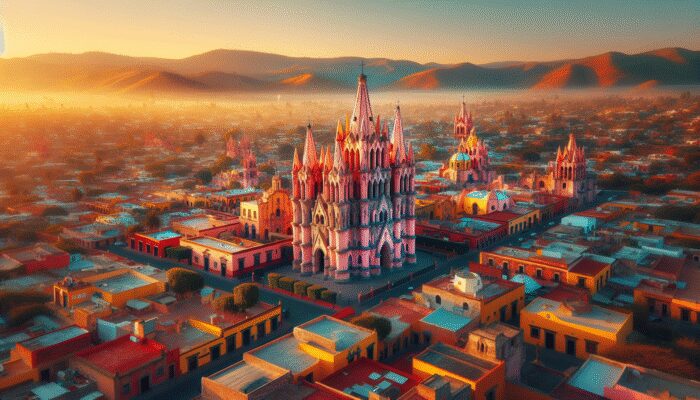
How Professionals Leverage Maps Across Various Industries
Professionals in a multitude of fields harness the power of maps for an array of applications, including research, urban planning, and resource management. The clarity and precision provided by detailed maps empower experts to make informed decisions based on geographical insights. Some key applications of maps by professionals include:
- Conducting geographic analyses to support environmental studies.
- Planning infrastructure development and urban expansion initiatives.
- Assessing natural resources and land use patterns for sustainability.
- Facilitating disaster response and emergency management operations.
- Visualising demographic trends for targeted market research.
- Supporting archaeological and historical investigations through site mapping.
- Enhancing navigation and wayfinding in transportation planning.
- Integrating spatial data for comprehensive scientific research.
Through the effective utilisation of maps, professionals can interpret spatial relationships and complex datasets, leading to more accurate conclusions and strategies. For example, urban planners analysing maps of San Miguel de Allende may evaluate topographical features, existing infrastructure, and growth patterns to propose sustainable development initiatives. Similarly, environmental scientists depend on maps to monitor land use changes and assess the impacts of urbanisation on local ecosystems. The proficient use of maps enables experts to visualise trends, identify challenges, and devise solutions tailored to specific geographical contexts.
Revolutionary Mapping Technologies Transforming Modern Cartography
Modern mapping technologies have fundamentally transformed our understanding and visualisation of geographical data. One of the most groundbreaking innovations is the integration of Global Positioning System (GPS) technology, which offers precise location-finding capabilities that are crucial for navigation and data collection. With GPS, users can accurately pinpoint their locations on various types of maps, significantly enhancing navigation efficiency, whether traversing on foot, by vehicle, or even in remote areas.
In addition, satellite imagery has become a cornerstone of contemporary mapping practices. This technology captures high-resolution images of the Earth’s surface, enabling detailed analyses of both natural and human-made landscapes. Satellite data allows researchers to track changes over time, including urban sprawl, deforestation, and climate change impacts. Geographic Information Systems (GIS) complement these innovations by offering robust tools for analysing spatial data, enabling intricate queries and visualisations that reveal patterns and trends.
Emerging technologies such as augmented reality (AR) and 3D mapping are also gaining traction, providing immersive experiences that allow users to interact with maps in innovative manners. These advancements enable individuals to project maps onto real-world environments, enhancing navigation and geographical comprehension. As mapping technologies continue to evolve, we can expect even greater precision, interactivity, and accessibility in how we engage with maps to connect with our surroundings.
Utilising Maps for Enhanced Understanding of Complex Topics
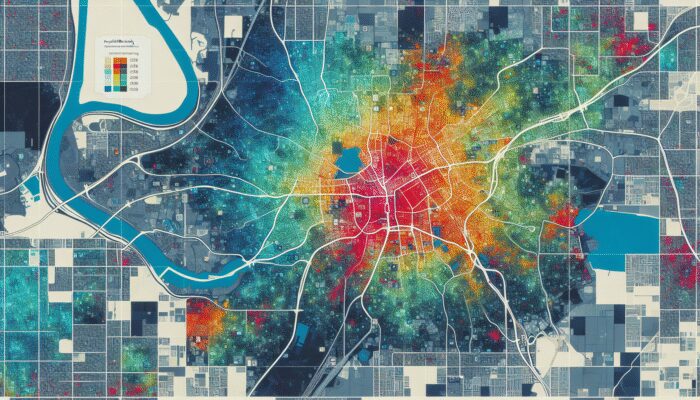
Maps significantly enhance our understanding by visually representing intricate data and relationships that may be challenging to interpret through text alone. Their ability to illustrate spatial relationships aids users in grasping geographical patterns, trends, and connections within datasets. For example, a population density map can highlight areas of high and low population concentration, allowing urban planners to identify regions requiring additional services or infrastructure.
Moreover, maps facilitate comparative analyses across different geographical regions. By examining various thematic maps—such as those illustrating the impacts of climate change or economic indicators—users can uncover correlations and discrepancies that inform decision-making. The visual aspect of maps makes them engaging educational tools, captivating students and professionals alike with material in an interactive manner.
Additionally, maps can serve as platforms for storytelling, providing context and depth to historical or cultural narratives. For instance, a historical map detailing the routes taken by explorers can enrich our understanding of the challenges they faced and the environments they navigated. This ability to merge data visualisation with narrative fosters an immersive learning experience, cultivating a deeper appreciation for both geography and history.
The Artistic and Scientific Dimensions of Cartography
Understanding Cartography and Its Societal Importance
Cartography represents both a scientific discipline and an artistic endeavour focused on the creation and analysis of maps. It encompasses the design, production, and interpretation of maps, ensuring that geographical data is accurately and effectively conveyed to diverse audiences. At its core, cartography requires a profound comprehension of spatial relationships, combined with the capacity to visually communicate intricate information. Cartographers must take into account various factors, including scale, symbols, colours, and typography, to create maps that are both informative and visually appealing.
The artistry of cartography lies in the cartographer’s ability to convey information in a manner that resonates with users, employing aesthetic principles to enhance usability. This delicate balance requires a combination of artistic creativity and scientific accuracy, as maps must be both engaging and functional. Cartographers navigate the complex interplay between visual clarity and the need to convey detailed information, striving to produce maps that fulfil their intended purpose while remaining accessible to a broad audience.
As mapping technologies continue to advance, so too does the field of cartography. Today, cartographers employ digital tools and software to create interactive and dynamic maps, allowing users to explore data in real-time. This evolution signifies the growing demand for flexible, user-centered mapping solutions that cater to an extensive range of audiences and applications.
The Historical Development of Cartography Through the Ages
The field of cartography has experienced substantial transformation, progressing from manually drawn maps to sophisticated digital representations. Historically, cartographers relied on meticulous hand-drawing techniques, often using basic tools to create maps based on exploration and surveying. These early maps were limited in both scope and accuracy, frequently shaped by artistic interpretation and the prevailing understanding of the world at that time.
The invention of the printing press marked a significant milestone in the history of cartography, enabling the mass production of maps and the broader dissemination of geographical knowledge. As exploration techniques improved and the scientific method gained prominence, cartographers began prioritising precision and detail, resulting in the creation of more reliable maps.
In recent decades, the rise of digital technology has revolutionised cartography. The introduction of GIS and advanced mapping software has equipped cartographers with powerful tools to produce dynamic, layered maps that effectively communicate complex information. This transformation has facilitated the integration of real-time data, enabling users to interact with maps and visualise changes in geography over time. Modern cartography embraces a blend of artistry and technology, reflecting the dynamic nature of our world and the increasing demand for adaptable mapping solutions.
The Essential Contributions of Cartographers to Contemporary Society
Cartographers play a crucial role in society by creating maps that inform, educate, and support decision-making across numerous domains. Their expertise is critical in various areas, including urban planning, environmental management, transportation, and education. By producing accurate and user-friendly maps, cartographers assist individuals and organisations in navigating the complexities of our world, empowering them to make informed choices based on spatial data.
In urban planning, cartographers contribute to the design and development of cities, offering invaluable insights into population density, land use, and infrastructure requirements. Their maps guide resource allocation and investment decisions, shaping urban environments to meet community needs. In environmental contexts, cartographers help visualise ecological data, enabling scientists and policymakers to monitor changes in landscapes, track wildlife migration patterns, and evaluate strategies for managing natural resources.
In educational settings, cartographers design maps that promote geographical literacy and awareness. Through engaging visuals, students learn about historical events, cultural dynamics, and environmental issues, fostering a deeper understanding of the interconnectedness of our world. Ultimately, the work of cartographers underpins many facets of modern society, making their contributions essential in navigating the challenges of our global landscape.
Key Principles for Designing Effective Maps
Effective map design is crucial for ensuring that maps are both functional and visually appealing. Key principles include clarity, accuracy, and aesthetic quality. Clarity is paramount; maps should be easy to read and interpret, featuring well-defined symbols and labels that guide users. A clear map allows individuals to quickly grasp essential information without confusion, enhancing its overall usability.
Accuracy is another vital principle. Maps must reliably represent geographical features and data to maintain trustworthiness. This necessitates precise scaling, appropriate symbol usage, and dependable data sources. Users rely on accurate maps for navigation and decision-making, underscoring the importance of integrity in cartographic practices.
Aesthetic appeal also plays a significant role in enhancing user engagement. Well-designed maps utilise colour schemes, typography, and layout to create visually striking representations without sacrificing clarity. Balancing these elements ensures that maps are not only informative but also enjoyable to explore. By adhering to these principles, cartographers can create maps that serve diverse purposes and resonate with a wide audience, ultimately enriching the user experience.
Innovative Tools and Technologies Revolutionising Modern Cartography
Modern cartography employs a vast array of tools and technologies that streamline the map creation process and enhance the quality of geographic information. Geographic Information Systems (GIS) are at the forefront of these advancements, offering powerful platforms for data analysis and visualisation. GIS enables cartographers to integrate multiple data layers—such as demographic information, environmental data, and infrastructure layouts—facilitating comprehensive spatial analysis.
Remote sensing technologies also play a crucial role in contemporary cartography. Satellites equipped with advanced sensors capture high-resolution imagery and data from the Earth’s surface, empowering cartographers to monitor land use changes, vegetation dynamics, and urban growth. This technology provides extensive information that can be analysed to inform decision-making in areas such as environmental conservation, urban planning, and disaster response.
Additionally, digital mapping software has revolutionised cartographic design, allowing for the creation of interactive and dynamic maps. Tools like ArcGIS, QGIS, and Google Maps empower users to explore geographical data in real-time, fostering a more engaging experience. The integration of 3D mapping and augmented reality further enhances user interaction, allowing individuals to visualise geographical information in immersive environments. As technology continues to evolve, the potential for innovation in cartography expands, paving the way for more accurate, accessible, and engaging mapping solutions for all.
Enhancing Navigation Skills Through Effective Map Utilisation
Essential Elements to Recognise on Any Map for Improved Navigation
Understanding the fundamental components of a map is crucial for effectively interpreting and navigating geographical information. These elements provide the framework for users to comprehend the map’s content and context. The primary components of any map include:
- Scale: Indicates the ratio of distance on the map to actual distance on the ground, assisting users in gauging distances accurately.
- Legend: A key that explains the symbols and colours used on the map, aiding in interpretation.
- Compass Rose: Displays cardinal directions (North, South, East, West), providing essential orientation.
- Labels: Textual information identifying geographical features, such as cities, landmarks, and natural formations.
- Grid Lines: Often present to assist in locating points using coordinates, enhancing navigation.
- Insets: Smaller maps within the main map that offer additional context, such as detailed views of specific areas.
- Topographical Features: Illustrate elevation changes and landforms, important for understanding terrain.
Collectively, these elements empower users to navigate maps effectively, fostering a deeper understanding of the represented area. Understanding scale, for instance, is crucial for accurately estimating distances, while a clearly defined legend ensures that users can decipher symbols representing different features. The compass rose provides necessary orientation, enabling users to align the map with their surroundings. By familiarising oneself with these key components, map users can enhance their navigation skills and cultivate a more profound appreciation for the geographical data presented.
Strategies for Effectively Reading and Interpreting Maps
Effectively reading a map requires a thorough understanding of its various components and symbols, enabling users to locate and navigate to specific points. Here are essential steps to read a map:
- Identify the scale of the map to comprehend how distances are represented.
- Examine the legend to familiarise yourself with symbols and their meanings.
- Locate cardinal directions using the compass rose to properly orient the map.
- Look for labels to identify significant landmarks, cities, and geographical features.
- Observe any grid lines or reference points for accurate location determination.
- Consider topographical features, if applicable, to understand elevation and terrain.
- Cross-reference with real-world locations to enhance navigation accuracy.
By following these steps, users can effectively decipher the information conveyed in any map, transforming it into a valuable tool for navigation and exploration. Familiarity with map symbols and understanding the scale allows for precise distance estimation, which is crucial whether traversing urban landscapes or rural terrains. Additionally, recognising the significance of topographic features can assist hikers and outdoor enthusiasts in effectively planning their routes.
The Indispensable Function of Map Legends in Interpretation
Map legends are critical components that provide vital information about the symbols and colours utilised on a map. They serve as the key to understanding the visual language of the map, enabling users to interpret geographical data accurately. Without a clear legend, a map’s utility is significantly diminished, as users may misinterpret symbols or overlook crucial information.
A well-crafted legend enhances the user experience by clearly defining the meaning of each symbol, whether representing natural features, urban infrastructure, or demographic data. For example, a green area may indicate parks or forests, while different shades of brown could signify varying elevations. The legend acts as a roadmap for understanding these symbols, guiding users in their navigation and comprehension.
In addition to improving interpretability, the legibility of the legend itself is paramount. It should be positioned prominently on the map and designed for easy reading. This ensures that users can quickly reference the legend while navigating the map without losing track of their orientation. Overall, the importance of map legends cannot be overstated, as they play an essential role in facilitating accurate interpretation and enhancing the overall effectiveness of the map.
Research-Backed Advantages of Locating San Miguel De Allende, Mexico on the Map
Enriching Educational Experiences with Maps
Maps serve as invaluable educational tools that enhance learning across a variety of subjects, including geography, history, and environmental science. Their visual nature enables students to grasp complex concepts more effectively, fostering a deeper understanding of spatial relationships and the interconnectedness of global events. Key educational benefits of maps include:
- Visualising geographical concepts and locations, which aids in retention and comprehension.
- Facilitating historical analysis by providing context to past events and explorations.
- Enhancing cultural awareness through the representation of diverse regions and societies.
- Supporting environmental education by visualising ecological data and geographic phenomena.
By engaging with maps, students can develop critical thinking skills as they analyse data, identify trends, and draw connections between different variables. For instance, a map illustrating climate zones helps students understand how geography influences weather patterns and agricultural practices worldwide. Furthermore, maps can foster collaborative learning experiences, encouraging group discussions and projects where students utilise geographic data to explore real-world issues.
As educational tools, maps promote active learning, inspiring students to interact with geographical data and explore concepts tangibly. This hands-on approach not only enhances understanding but also cultivates an appreciation for the complexity of our world, ultimately preparing students to navigate global challenges with informed perspectives.
Psychological Advantages of Engaging with Maps
Maps provide numerous psychological benefits, enhancing spatial awareness and cognitive development. Engaging with maps can improve cognitive abilities related to navigation, memory, and problem-solving. As users interact with maps, they strengthen their capacity to visualise spatial relationships and comprehend complex data structures, fostering critical thinking and analytical skills.
Research indicates that utilising maps can enhance brain function related to spatial reasoning, particularly among students. By learning to interpret symbols, understand scale, and recognise patterns on a map, individuals develop essential skills that are applicable in various contexts, from academic achievements to everyday navigation. This cognitive engagement can lead to improved performance in tasks requiring spatial awareness, such as geometry and geography.
Additionally, maps can evoke positive emotions by connecting individuals with their environments. Exploring maps of local regions or travel destinations can instil a sense of curiosity and adventure, motivating individuals to explore new places and cultures. This engagement with geography can enhance overall well-being, promoting a sense of belonging and connection to the world. By leveraging the psychological benefits of maps, educators and communities can cultivate environments that prioritise spatial literacy and exploration, contributing to both personal and communal growth.
The Essential Role of Maps in Scientific Research and Analysis
Maps are pivotal in scientific research, serving as essential tools for data visualisation, analysis, and planning. In fields such as ecology, geology, and anthropology, maps facilitate a deeper understanding of spatial relationships and phenomena. Researchers utilise maps to visually represent complex datasets, allowing them to identify patterns and relationships that might otherwise remain hidden in raw data.
For instance, ecologists use maps to visualise species distributions and habitat changes over time, enabling them to assess the impact of environmental changes on biodiversity. Geologists employ maps to illustrate tectonic plate boundaries, mineral deposits, and geological formations, providing insights into Earth’s structure and processes. Anthropologists can map cultural and historical sites to analyse human migration patterns and societal developments throughout history.
Moreover, maps enhance collaboration among researchers by providing a common visual framework for sharing data and findings. When scientists present their research through maps, they can effectively communicate complex ideas to a broader audience, making their work more accessible and impactful. The integration of technology, such as GIS and satellite imagery, further enhances the precision and relevance of maps in scientific research, driving innovation and discovery across various fields.
The Societal Impact of Maps and Their Influence on Decision-Making
The Influence of Maps on Decision-Making Processes
Maps significantly influence decision-making processes across multiple sectors by providing visual data that aids in comprehending complex issues. In urban planning, for example, maps assist planners in evaluating land use, infrastructure requirements, and population distribution, guiding decisions that shape community development. By visualising these elements, decision-makers can pinpoint areas needing intervention or improvement, leading to more effective resource allocation.
In emergency management, maps are critical for disaster response planning. They help authorities assess risk areas, deploy resources efficiently, and develop evacuation routes during crises. For instance, mapping flood zones can assist emergency services in coordinating responses and ensuring public safety. The ability to visualise geographical data empowers decision-makers to make informed choices that can save lives and minimise damage.
Furthermore, businesses utilise maps for market analysis and strategic planning. By mapping consumer demographics and behaviours, companies can identify target markets and optimise their operations for better efficiency and profitability. Maps also facilitate transportation and logistics planning by visualising routes, allowing businesses to streamline supply chains and enhance delivery efficiency. Overall, maps serve as powerful tools that amplify decision-making capabilities in various realms of society.
Social Advantages Offered by Maps in Communities
Maps contribute to numerous social benefits by improving accessibility, promoting tourism, and fostering community engagement. Their visual representation of geographical information enhances public awareness and understanding of local resources and opportunities. For instance, community maps can highlight parks, schools, and public services, ensuring residents are informed about the amenities available in their neighbourhoods.
In tourism, maps play a vital role in attracting visitors to destinations. They provide essential information about attractions, cultural sites, and natural landmarks, guiding tourists in planning their itineraries. By showcasing local heritage and landscapes, maps can enrich the travel experience and encourage exploration, benefiting local economies through increased visitor spending.
Furthermore, maps can foster community engagement by facilitating collaborative projects that encourage residents to contribute to local mapping initiatives. This participatory approach helps build a sense of community ownership and pride as individuals actively engage in documenting and sharing their environments. By leveraging maps as tools for social good, communities can enhance their collective identity and address local needs more effectively.
The Economic Impact of Maps on Resource Allocation and Planning
Maps exert a profound economic influence by assisting in resource allocation, infrastructure development, and market analysis. They serve as essential tools for businesses and governments to make informed decisions regarding investments and development projects. For instance, maps illustrating transportation routes can pinpoint areas that require infrastructure upgrades, promoting economic growth through improved connectivity.
In market analysis, businesses employ maps to visualise consumer demographics and behaviours, enabling them to target audiences more effectively. This strategic use of geographic data enhances profitability by aligning products and services with local demand. Maps can also inform urban development and real estate investments, guiding decisions about property acquisition and land use.
Furthermore, maps are instrumental in environmental management and resource conservation. By visualising natural resources, such as water bodies and forests, maps assist in sustainable planning efforts that balance economic growth with environmental stewardship. This holistic approach to mapping strengthens the relationship between economic development and ecological sustainability, ensuring that communities thrive while preserving the natural environment.
Strategies for Locating San Miguel De Allende, Mexico on the Map
Selecting the Most Suitable Map for Your Needs
Choosing the right map involves careful consideration of purpose, scale, and level of detail, ensuring it aligns with specific navigation or analytical requirements. The following actionable steps can simplify the selection process:
- Identify the purpose of the map—whether for navigation, analysis, or education.
- Determine the necessary scale; larger scales provide more detail, while smaller scales cover broader areas.
- Consider the type of map; physical maps emphasise natural features, whereas political maps focus on boundaries and cities.
- Evaluate the required level of detail; specialised maps may be necessary for activities like hiking or urban planning.
- Check for updates; prefer recent maps to ensure accuracy in representing current features.
- Look for user-friendly features; interactive maps may enhance usability for specific needs.
- Seek recommendations from reliable sources or community feedback regarding map quality.
By following these steps, users can select maps that best fit their needs, whether navigating the streets of San Miguel de Allende or conducting geographic research. For instance, travellers may prefer detailed street maps that highlight tourist attractions and amenities, while urban planners might require comprehensive demographic maps to inform development strategies. The right map can significantly enhance the effectiveness and enjoyment of various activities.
Implementing Best Practices for Effective Map Usage
Implementing best practices for map usage enhances reliability and effectiveness in navigation and data interpretation. Key practices include maintaining updated maps, utilising multiple sources for verification, and understanding map symbols and legends. Incorporating these approaches can significantly improve the user experience:
- Regularly check for updates to ensure accuracy in a rapidly changing environment.
- Use multiple maps or sources to compare information and gain a comprehensive understanding.
- Familiarise yourself with symbols and legends to accurately interpret the map’s content.
- Keep a digital or physical copy of the map accessible for reference during navigation.
- Engage with interactive maps to explore data and features dynamically.
- Take note of any changes in the environment or landmarks that may affect navigation.
- Practice map reading skills regularly to enhance confidence and proficiency.
By adhering to these best practices, users can optimise their experiences when navigating or analysing geographical data. Understanding the importance of map updates, for instance, ensures that users are equipped with the most accurate and relevant information. Additionally, engaging with multiple sources fosters a well-rounded perspective and enhances overall geographical literacy.
The Significance of Map Literacy in Today’s Society
Map literacy is essential for effectively interpreting and utilising maps, thereby enhancing navigation skills and geographical understanding. As the world becomes increasingly interconnected, the ability to read and comprehend maps evolves into a vital life skill. Map literacy encompasses an understanding of map symbols, scales, and legends, allowing users to navigate efficiently and make informed decisions based on geographical data.
Developing map literacy nurtures critical thinking skills, enabling individuals to analyse spatial relationships and visualise data effectively. This skill set is crucial in diverse contexts, from navigating urban environments to addressing global issues such as climate change and resource management. Enhancing map literacy in educational settings empowers students to actively engage with geographical concepts, promoting lifelong learning and curiosity.
Moreover, map literacy contributes to informed citizenship. Individuals equipped with strong map-reading skills are better prepared to participate in discussions regarding public policy, urban planning, and environmental conservation. By fostering a society that values map literacy, communities can cultivate critical thinkers capable of addressing pressing challenges and navigating the complexities of our modern world.
Finding San Miguel de Allende on Different Types of Maps
Locating San Miguel de Allende on various types of maps involves understanding the unique features and representations of each map type. Here’s how to find this charming city on different maps:
- Physical Maps: Look for natural landmarks, such as the Sierra Madre mountains and rivers, which may help indicate proximity to San Miguel de Allende.
- Political Maps: Identify the state of Guanajuato, where San Miguel de Allende is situated. Look for city names within this region.
- Tourist Maps: These maps often highlight attractions and amenities, making it easy to locate San Miguel de Allende among popular tourist destinations.
- Road Maps: Road maps provide detailed information on highways and routes leading to San Miguel de Allende, showing connections to major cities like Querétaro and Guanajuato City.
- Digital Maps: Utilise online mapping services like Google Maps for real-time navigation and additional information about local attractions.
- Topographic Maps: If examining elevation and terrain, look for contour lines that reveal the city’s elevation and surrounding landscape.
By familiarising yourself with these different map types, you can successfully locate San Miguel de Allende and explore its rich cultural heritage and beautiful surroundings. Each map type serves unique purposes and offers varying levels of detail, allowing for a comprehensive understanding of this historic city’s geographic context.
Maximising Your Experience in San Miguel de Allende with Maps
Utilising maps effectively can enhance your visit to San Miguel de Allende by identifying routes, attractions, and optimising your travel itinerary. When planning your visit, consider the following strategies:
- Consult a detailed map to identify key attractions, such as the Parroquia de San Miguel Arcángel and local markets.
- Use digital maps for real-time navigation and to find nearby restaurants, shops, and accommodation options.
- Plan routes that encompass scenic viewpoints and cultural sites, enhancing your overall experience.
- Check for walking paths and public transportation options to explore the city sustainably.
- Incorporate local events and festivals by reviewing event maps, ensuring you don’t miss cultural experiences.
- Share maps with fellow travellers or locals to gather insights on hidden gems and must-see spots.
- Document your explorations through notes or photos, creating a personal map of your journey.
By leveraging maps in your travel planning, you can maximise your experience in San Miguel de Allende, ensuring you visit its most cherished landmarks and immerse yourself in the vibrant local culture. Maps not only guide navigation but also enrich your understanding of the city’s history and cultural significance, making your visit all the more rewarding.
Future Trends and Innovations in Mapping Technology
Emerging Trends Transforming the Future of Mapping
Emerging trends in mapping are revolutionising how we interact with geographical data, enhancing our ability to visualise and analyse complex information. One significant trend is the rise of 3D mapping, which allows for immersive representations of landscapes and urban environments. This technology enables users to visualise terrain in a more realistic manner, significantly improving spatial understanding.
Augmented reality (AR) is another trend revolutionising mapping experiences. AR applications overlay digital information onto the physical world, allowing users to interact with maps in innovative ways. This technology can enrich navigation and learning experiences by providing contextual information about landmarks and points of interest.
Furthermore, trends such as real-time data integration are becoming increasingly prevalent. This capability allows users to access live updates on traffic conditions, weather changes, and environmental events, enhancing decision-making processes. The incorporation of personal preferences and historical data into mapping services also supports more tailored user experiences, making maps more relevant to individual needs.
As technology continues to advance, we can expect mapping to become more interactive and user-centered, fostering deeper engagement with geographical data and promoting enhanced understanding of our world.
Anticipated Developments in Mapping Technology
Mapping technology is poised for significant evolution, driven by advancements in artificial intelligence (AI), machine learning, and satellite technology. AI can enhance the accuracy of maps by analysing vast datasets, recognising patterns, and predicting changes in geographical features. This capability will facilitate the creation of more precise maps that reflect real-time conditions and emerging trends.
Machine learning algorithms are also expected to improve mapping accuracy and efficiency. These algorithms can analyse user-generated data and feedback, continuously refining maps to accommodate changes in landscapes and urban environments. Consequently, maps will become more dynamic and responsive to user needs.
Moreover, advancements in satellite technology will enhance the resolution of imagery and data collection capabilities. High-resolution satellite images will enable cartographers to create detailed maps that provide insights into land use, environmental changes, and urban development. By integrating these technologies, we will achieve maps that are not only more accurate but also more engaging and informative for users.
Overall, the evolution of mapping technology will empower individuals and organisations to navigate our world more effectively, enhancing their ability to make informed decisions based on spatial data.
Potential Societal Changes Driven by Future Mapping Innovations
Future mapping has the potential to significantly impact society by improving navigation, enhancing data visualisation, and supporting decision-making processes. As mapping technologies become more advanced and accessible, individuals will be better equipped to navigate complex environments, whether in urban settings or natural landscapes. This enhanced navigation capability can lead to improved efficiency in transportation, logistics, and emergency response.
Moreover, the integration of real-time data and personalised mapping experiences will empower users to make informed choices based on their preferences and needs. This capability can elevate quality of life by promoting sustainable urban planning, efficient resource allocation, and improved community engagement.
Additionally, future mapping can foster greater environmental awareness by visualising changes in landscapes and ecosystems. By making data on climate change and environmental degradation more accessible, maps can promote informed public discourse and inspire collective action toward sustainability.
Ultimately, the potential impact of future mapping extends beyond navigation; it encompasses social, economic, and environmental dimensions, shaping the way we interact with our world and addressing pressing global challenges.
Enhancing Communication Through Maps
Improving Communication Effectiveness Through Mapping
Maps enhance communication by visually representing data, making complex information more accessible and understandable to a wider audience. Their ability to distill intricate concepts into clear visual formats allows for effective storytelling, whether in educational, professional, or public contexts. Maps transcend language barriers, enabling users to convey information across diverse cultures and regions, fostering a shared understanding of geographical issues.
For instance, in journalism, maps can illustrate the impact of natural disasters, political changes, or social movements, providing essential context that enriches narratives. By integrating geographical data, journalists can present stories that resonate with audiences, enabling them to grasp the significance of events in a spatial context.
In educational settings, maps enhance the learning experience by presenting information visually, allowing students to engage with material actively. By incorporating maps into lesson plans, educators can facilitate discussions on historical events, cultural dynamics, and environmental issues. This visual engagement promotes a deeper understanding of the interconnectedness of global issues, fostering critical thinking and inquiry among students.
Overall, maps serve as powerful communication tools that enhance our ability to convey complex ideas, encourage dialogue, and promote understanding across diverse audiences.
Characteristics of Effective Maps and Their Importance
Effective maps are characterised by several key features that enhance their usability and communication value. Clarity is paramount; maps should present information in a manner that is easy to read and interpret, enabling users to grasp essential details at a glance.
Accuracy is another vital feature. Effective maps must accurately represent geographical features and data, ensuring that users can trust the information presented. This credibility is crucial for navigation and decision-making, particularly in professional contexts.
User-friendliness is also essential. Maps should feature appropriate scales, legends, and symbols that convey information clearly and concisely. Intuitive designs enhance the overall user experience, making it easy for individuals to engage with the map and derive relevant insights.
Aesthetics also play a role; visually appealing maps can capture attention and encourage exploration. Thoughtful use of colours, typography, and layout can enhance the map’s effectiveness while maintaining clarity. By incorporating these features, cartographers can create maps that serve diverse purposes and resonate with a wide audience.
The Utilisation of Maps in Media and Journalism
Maps are extensively used in media and journalism to illustrate stories, provide context, and enhance the understanding of events and locations. Their visual nature complements textual narratives, allowing audiences to grasp complex information quickly. In reporting on topics such as election results, natural disasters, or geopolitical conflicts, maps serve as essential tools for conveying geographical context and trends.
For example, during elections, media outlets often employ maps to visualise voting patterns and results, enabling viewers to comprehend how different regions voted. This visual representation enhances public understanding of electoral dynamics and influences discussions about political trends.
In covering natural disasters, maps can depict affected areas, evacuation routes, and available resources for relief efforts. This information is crucial for informing the public and guiding emergency response initiatives. By integrating maps into journalistic narratives, reporters can foster deeper engagement and comprehension among audiences, empowering them to understand the significance of events within a geographical framework.
Overall, the use of maps in media and journalism enriches storytelling, enhances public awareness, and promotes informed discourse on pressing issues.
Transformative Effects of Digital Maps on Communication
Digital maps have transformed communication by offering interactive features, real-time data, and accessibility across various devices. This evolution has revolutionised how individuals access and engage with geographical information, facilitating more dynamic interactions with maps. Digital platforms allow users to zoom in and out, toggle layers of information, and customise their views, enhancing the overall experience.
The integration of real-time data, such as traffic conditions and weather updates, empowers users to make informed decisions based on current circumstances. For example, navigation apps provide users with live traffic updates, allowing them to choose the best routes and avoid congestion. This immediacy enhances the effectiveness of digital maps as communication tools, providing users with relevant information in real-time.
Moreover, the accessibility of digital maps on smartphones and tablets has democratised access to geographical information. Individuals can explore maps anytime, anywhere, bridging the gap between urban and rural experiences. This accessibility fosters greater engagement with geographical data, encouraging individuals to explore their environments and connect with global issues.
Ultimately, digital maps have reshaped communication by enhancing interactivity, immediacy, and accessibility, allowing users to engage with geographical information in ways that were previously unimaginable.
Maps as Essential Tools for Educational Communication
Maps serve as vital educational resources that assist in teaching geography, history, and environmental studies by visually representing concepts and fostering interactive learning experiences. Their ability to distill complex information into visual formats enhances comprehension, enabling students to engage with material actively.
In geography lessons, maps can illustrate physical features, climate zones, and population distributions, allowing students to visualise concepts that might otherwise seem abstract. This visual engagement promotes deeper understanding and retention of information, empowering students to connect theoretical concepts with real-world contexts.
Moreover, maps facilitate collaborative learning opportunities. Educators can encourage students to work together on mapping projects, promoting teamwork and critical thinking. By researching and presenting data through maps, students develop essential skills in data analysis and communication.
Maps also play a role in fostering environmental awareness. By visualising ecological data and changes in landscapes, educators can engage students in discussions about sustainability and conservation. This interactive approach helps students develop a sense of responsibility for their environments, encouraging them to consider their roles in addressing global challenges.
Overall, maps enhance educational communication by promoting engagement, collaboration, and a deeper understanding of geographical concepts, ultimately preparing students for informed citizenship.
Frequently Asked Questions
Where is San Miguel de Allende located?
San Miguel de Allende is situated in the central part of Mexico, within the state of Guanajuato. It is renowned for its well-preserved colonial architecture and vibrant cultural scene.
How can I find San Miguel de Allende on a map?
You can locate San Miguel de Allende on various types of maps, including physical, political, and digital maps. Look for the state of Guanajuato and identify the city amid other landmarks.
What makes San Miguel de Allende a popular tourist destination?
San Miguel de Allende is popular for its rich history, charming cobblestone streets, vibrant arts scene, and cultural festivals. It offers visitors a unique blend of colonial architecture and modern amenities.
What is the significance of maps in education?
Maps are significant in education as they visually represent complex concepts, enhance spatial understanding, and facilitate interactive learning experiences across various subjects.
What technologies are used in modern mapping?
Modern mapping employs technologies such as Geographic Information Systems (GIS), satellite imagery, GPS, and augmented reality, enhancing accuracy and user engagement.
How can maps aid in decision-making processes?
Maps assist in decision-making by providing visual data that helps users comprehend spatial relationships, assess risks, and allocate resources effectively in various fields.
What is the role of cartographers in society?
Cartographers play a vital role in society by creating accurate maps that inform urban planning, environmental management, and educational initiatives, facilitating better decision-making.
How do maps contribute to environmental awareness?
Maps contribute to environmental awareness by visualising ecological data, monitoring changes in landscapes, and highlighting conservation areas, promoting informed discussions about sustainability.
Why is map literacy important?
Map literacy is crucial as it enhances navigation skills, promotes critical thinking, and empowers individuals to engage with geographical data and make informed decisions.
What are the benefits of digital maps compared to traditional maps?
Digital maps provide interactivity, real-time data, and accessibility across devices, making them more user-friendly and relevant for navigation and data visualisation compared to traditional maps.
The Article: San Miguel De Allende, Mexico: Your Essential Map Guide appeared first on https://fallinginlovewithsanmiguel.com/
The Article Essential Map Guide to San Miguel De Allende, Mexico Was Found On https://limitsofstrategy.com
