Your Ultimate Resource for Recognising and Utilising Emergency Water Sources for Survival
What Are the Critical Elements of Reliable Emergency Water Sources?
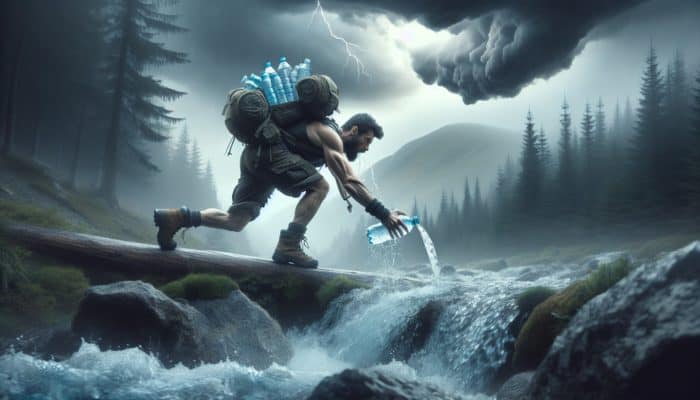
Grasping the concept of Emergency Water Sources is vital for ensuring survival in unexpected situations and plays a significant role in securing safe hydration when traditional supplies become unavailable. These sources can be natural, such as rivers, streams, and springs, or stored options like bottled water. The key requirement is that they must be reliable and uncontaminated. Understanding the importance of these resources empowers individuals to act swiftly in emergencies, highlighting the urgent need for awareness and preparation in anticipation of possible shortages.
Furthermore, comprehending the diverse types of emergency water sources necessitates knowledge of their locations and strategies to maintain their quality. In urban settings, formulating a systematic water storage strategy at home is crucial. In contrast, in rural areas, familiarity with local water bodies like streams or lakes is essential. Regular evaluations of the quality and reliability of these sources ensure you remain prepared, averting any unpleasant surprises during crises.
How Can You Identify Trustworthy Emergency Water Sources?
Identifying reliable emergency water sources requires a comprehensive assessment of both natural and stored options. Natural sources, including rivers, lakes, and rainwater, can be safe for consumption, but their safety must be confirmed beforehand. Generally, flowing rivers carry a lower risk of contamination compared to stagnant bodies of water. Conversely, stored options like rainwater reserves and bottled water must be appropriately treated.
When assessing the dependability of these resources, consider factors such as accessibility, the surrounding environment, and compliance with local regulations. For natural sources, it’s wise to investigate existing pollution issues and account for seasonal fluctuations. For stored water, verifying expiration dates and ensuring suitable storage conditions is essential. In areas prone to drought or flooding, developing contingency plans for sourcing additional water is critical to ensure you remain prepared for unforeseen challenges.
What Key Characteristics Define Effective Water Sources?
Reliable emergency water sources demonstrate several essential characteristics that render them both safe and dependable. When evaluating potential sources, consider these critical features:
- Accessibility: Ensure the source is easily reachable, especially during emergencies.
- Purity: Water must remain free from harmful contaminants to be deemed safe.
- Volume: A sufficient supply is necessary to meet hydration needs during shortages.
- Flow Rates: Understand the volume of water available over time.
- Storage Methods: Proper containers and techniques are crucial for maintaining water quality.
- Treatment Needs: Some sources may require purification before being considered safe for consumption.
These attributes are vital in ensuring that the water source satisfies both immediate and long-term hydration requirements. Focusing on sources that excel in these criteria significantly boosts survival chances during any crisis.
How Can You Safely Purify Emergency Water Sources?
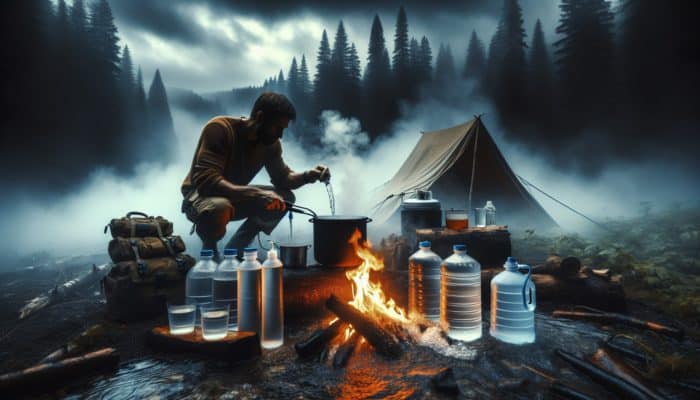
Purification is a critical process for ensuring the safety of emergency water sources. Effective methods for purifying water encompass boiling, filtration, and chemical treatments. Boiling water for at least one minute effectively eradicates most pathogens, making it a trustworthy choice for dubious sources. Filtration systems, such as portable filters or makeshift setups using cloth, can efficiently remove solid contaminants and certain pathogens.
Chemical treatments, including iodine or chlorine, can also disinfect water; however, they require precise dosing and sufficient waiting time to achieve effective results. This purification process is essential to safeguard against the severe health risks linked to consuming contaminated water, such as waterborne diseases. Incorporating purification strategies into your emergency preparedness plan is vital, ensuring that accessibility aligns with the reliability necessary for safe hydration.
What Are the Best Practices for Storing Your Emergency Water Supplies?
Proper storage of emergency water supplies is fundamental for maintaining their quality over time. Utilise clean, food-grade containers that are securely sealed and keep them in cool, dark places to prevent degradation. Regular inspections for leaks or signs of contamination are critical to ensuring that your stored water remains safe for consumption.
It is advisable to rotate your water supply every six months to ensure freshness and prevent stagnation. If you source from municipal supplies, ensure that the water is treated for long-term storage. Adding water-preservation agents can also enhance longevity for extended storage. Establishing a routine for checking and maintaining your emergency water supplies will significantly improve reliability, ensuring that your family has access to safe drinking water when it matters most.
How Can You Accurately Identify Emergency Water Sources in Your Environment?
How to Identify Potential Water Sources in Your Surroundings

Identifying potential emergency water sources requires keen observation and a thorough understanding of your local environment. In urban settings, this may include public fountains, community wells, and even swimming pools. In rural areas, streams, rivers, and lakes can serve as viable sources. The first step is to familiarise yourself with your locality’s geography, noting the locations of water bodies and their accessibility during emergencies.
Additionally, understanding the local climate aids in recognising opportunities for rainwater catchment. Utilising barrels or cisterns to collect rainwater during storms provides an excellent backup source. Observing areas with native plants or animal activity often indicates the proximity of water sources. By thoroughly assessing your environment, you can ensure you are well-prepared to identify and efficiently use emergency water sources.
What Factors Determine the Safety of an Emergency Water Source for Drinking?
A safe emergency water source is characterised by the absence of visible contaminants and pathogens. To gauge safety, start by inspecting the water for clarity, odour, and colour. Clear water without any noticeable smell is often a promising sign. Basic tests, such as pH or turbidity, can provide further insight into water quality; these simple evaluations can be conducted with home testing kits readily available at most outdoor or emergency supply stores.
Moreover, understanding your local ecology can assist in identifying safe sources. For instance, water flowing from a hillside is typically safer than stagnant water. Avoid sources located near industrial areas or known pollution sites. In emergencies, it may be necessary to rely on filtration or purification methods, even if a source appears safe. This multi-layered approach to safety promotes health and prevents illness, empowering you to make informed choices during critical situations.
How to Effectively Evaluate the Quality of Emergency Water Sources?
Evaluating the quality of emergency water sources necessitates both visual inspection and practical testing. Begin by assessing the water’s appearance; any discoloration or floating debris could indicate contamination. If possible, perform a quick taste test, but only if you are confident the water source is safe. Portable water testing kits can provide a more comprehensive analysis, revealing potential contaminants such as bacteria or chemicals.
Additionally, consider the surrounding environment of the water source. Areas with dense vegetation or animal activity may pose risks of contamination. Understanding seasonal changes in your locality, such as flooding or drought, can also inform evaluations of source quality. Integrating these assessment techniques into your emergency preparedness strategy helps ensure access to safe drinking water during a crisis.
Expert Strategies for Preparing for Your Emergency Water Needs
Proactive Techniques for Emergency Water Readiness
Advanced preparation for emergency water sources requires a proactive approach to managing water needs. Start by assessing your household’s daily water consumption, then calculate the amount of stored water you may need during a crisis. Implementing safeguards, such as maintaining a minimum of one gallon per person per day for at least three days, greatly enhances your preparedness for unforeseen situations.
Incorporating routine checks of your emergency water supplies into your schedule is critical to ensure there are no leaks or signs of contamination. Furthermore, consider alternative sourcing methods, such as rainwater harvesting and community sharing programs, to strengthen your preparedness strategy. Participating in local workshops or training sessions can equip you with essential skills for improved water management. By actively preparing and consistently refining your emergency water strategy, you can create a solid foundation for hydration when it’s needed most.
How to Evaluate the Sustainability of Your Emergency Water Sources?
Assessing the sustainability of emergency water sources involves understanding both the ecological impact and the longevity of the source. For natural sources, evaluate the surrounding ecosystem and its regenerative capacity. For example, streams fed by natural springs are generally more sustainable than those reliant on rainfall, which can be unpredictable.
When considering stored water, reflect on how frequently you will need to rotate supplies and which methods will best preserve water quality over time. Investing in filtration systems or purification techniques that can extend the usable life of natural sources is advisable, enabling responsible access. By maintaining a keen awareness of sustainability, you can contribute to a resilient water management strategy that supports both your personal needs and environmental health.
Long-Term Strategies for Effective Management of Emergency Water Supplies
Long-term management of emergency water sources revolves around durability and efficiency. Establishing a comprehensive plan that integrates conservation with usage is vital for ensuring ongoing availability. This may involve strategies such as responsible rainwater harvesting, implementing natural filtration systems, and regularly maintaining stored supplies.
Consider adopting modern technologies, such as smart water monitoring systems, which track the quality and levels of stored water. This real-time data can aid in making informed decisions about when to purify or replenish supplies. By developing a robust management strategy, you can avoid becoming overly reliant on any single method, ensuring your access to safe water remains uninterrupted even in prolonged emergencies.
What Types of Emergency Water Sources Are Available?
Common Natural Water Sources to Consider for Emergencies
Common natural emergency water sources include rivers, lakes, springs, and rainwater. Each source presents unique advantages and challenges. Rivers and streams typically offer a continuous supply, but may be contaminated by upstream sources. Lakes can provide larger volumes but often require more extensive purification efforts due to stagnation. Springs, recognised for their natural filtration processes, can be reliable sources but may be limited in flow.
Rainwater harvesting presents another effective method worth exploring. It is a sustainable practice that utilises direct precipitation, capturing it in barrels or cisterns. Although rainwater is generally clean, it still requires filtration and purification to ensure it is safe for drinking. Recognising the availability and characteristics of these natural sources prepares you to access them as reliable water supplies during emergencies.
What Role Do Stored Water Sources Play in Emergency Scenarios?
Stored sources are crucial for providing immediate access to water during emergencies. They serve as backups when natural supplies are disrupted or contaminated. Properly stored water can sustain families for several days or longer, depending on the quantity and usage. It is advisable to maintain at least one gallon of water per person per day to ensure your supply is sufficient for drinking, cooking, and hygiene.
To maximise the effectiveness of stored sources, ensure that containers are clean, food-grade, and tightly sealed to prevent contamination. Regularly rotating stock and inspecting conditions are essential practices for maintaining water quality. Thus, stored water serves as a cornerstone of preparedness, offering peace of mind and security during unexpected events when access to fresh water is compromised.
Exploring Innovative Alternatives for Emergency Water Sources
Innovative alternatives for emergency water sources are increasingly gaining traction in discussions about environmental sustainability. One such method is atmospheric water generation, which involves extracting moisture from the air. These systems prove particularly effective in humid environments and can yield potable water without relying on traditional sources.
Solar stills represent another fascinating technology that utilises sunlight to evaporate water, which then condenses and collects as liquid. This method is particularly useful in arid regions with limited access to conventional water sources. Furthermore, portable water filtration devices that can transform contaminated water into safe drinking water are becoming more accessible, enabling communities in disaster-prone areas to maintain resilience.
Effective Methods for Rainwater Collection During Emergencies
Rainwater collection methods provide an effective way to harness precipitation as an emergency water source. The simplest technique is to position barrels beneath downspouts to collect roof runoff. This approach allows homeowners to utilise rainwater for various purposes, from irrigation to drinking, provided it is appropriately treated. For those seeking advanced systems, consider installing rainwater catchment systems with first-flush diverters to minimise contaminants.
To ensure safety, it is crucial to filter and purify harvested rainwater before consumption. Treatment can include measures such as boiling or using ultraviolet light. Regular maintenance of collection systems is essential to prevent algae growth or contamination. Embracing rainwater collection not only provides a sustainable alternative but also reduces reliance on municipal water systems during emergencies.
Emergency Water Purification Techniques to Ensure Safety
Emergency water purification techniques are essential for transforming contaminated sources into safe drinking water. Common methods include boiling, which effectively kills most pathogens; chemical treatments, such as iodine or chlorine tablets; and filtration using portable or gravity filters. Each method serves a distinct purpose and can be adapted to various scenarios.
Boiling water is straightforward and requires minimal equipment, making it ideal for emergency settings. Chemical treatments are effective for ensuring safety when boiling is not feasible; however, they necessitate specific dosages and waiting periods. Portable filters can enhance taste and clarity while removing certain contaminants. Employing a combination of these techniques often yields optimal results, ensuring that your hydration needs are met safely and effectively during crises.
Research-Backed Advantages of Reliable Emergency Water Sources
Health Benefits Linked to Accessing Safe Water
The health advantages of utilising emergency water sources are substantial. Access to clean water is fundamentally linked to overall well-being, particularly during crises. Reliable water sources play a crucial role in preventing dehydration, which can lead to severe health complications such as kidney failure and heat-related illnesses. Furthermore, safe drinking water is essential for preventing waterborne diseases that can arise from contaminated supplies.
Having a backup water supply alleviates anxiety during emergencies, thereby enhancing mental health. By ensuring access to hydration, you empower yourself and your community to remain resilient in the face of challenges. This holistic approach is fundamental to thriving during crises, underscoring the importance of reliable water sources for overall health and well-being.
What Evidence Supports the Health Benefits of Emergency Water Sources?
Research robustly supports the advantages of establishing reliable emergency water sources. Studies indicate that households with prepared water supplies experience lower rates of dehydration and illness during natural disasters. For instance, communities that practised proactive water management reported higher rates of recovery and resilience in challenging situations.
Real-world examples emphasise the importance of effective strategies. Following significant flooding events, families with stored water resources were better equipped to maintain hygiene and nutrition, thus reducing the incidence of waterborne diseases. This evidence underscores the necessity of integrating emergency water supplies into disaster preparedness plans, fostering health and security within communities during crises.
The Psychological Benefits of Access to Emergency Water Supplies
Access to emergency water sources offers profound psychological benefits, particularly in stressful situations. Knowing that safe water is readily available provides a sense of security, reducing anxiety and promoting resilience. This peace of mind can be invaluable during emergencies when every decision carries significant weight.
Moreover, families engaged in water preparedness activities often bond through the process, fostering a collective sense of responsibility and community. This communal approach can further enhance emotional well-being, creating networks of support that are vital during crises. Recognising the psychological advantages of access to reliable water sources is an essential aspect of holistic emergency preparedness.
Strategic Approaches for Maintaining Emergency Water Sources
Essential Routine Care Practices for Water Sources
Implementing routine care practices for emergency water sources is essential to ensure their longevity and safety. This includes regular inspections of stored supplies to check for signs of leakage, contamination, or unpleasant odours. Maintaining a clean environment around natural sources is equally critical, as debris and pollutants can easily compromise water quality.
For stored water, ensure containers are cleaned periodically and consider using food-grade materials to prevent leaching. Establish a rotation schedule that utilises older supplies first, ensuring freshness and quality over time. These routine maintenance practices will guarantee that your water sources remain reliable, enhancing your preparedness for any emergency.
What Challenges Might Arise in Maintaining Water Sources?
Common challenges in maintaining emergency water sources include contamination and depletion. Contamination can arise from various sources, such as environmental pollutants or inadequate storage practices. Regular monitoring of water quality helps identify problems early, allowing for timely corrective actions.
Depletion may occur due to overuse or insufficient replenishment strategies. To mitigate these challenges, establish a comprehensive monitoring plan that includes regular checks and seasonal adjustments. Addressing these challenges ensures sustained usability and reliability over time, keeping you prepared for any water crisis.
Effective Tools and Methods for Upkeep of Water Sources
Utilising the right tools and methods for the upkeep of emergency water sources can significantly enhance their sustainability. For stored sources, consider using transparent containers to visually monitor clarity and quality. Water testing kits can help identify contaminants and ensure the supply remains safe for consumption.
For natural sources, preserving the surrounding environment is vital. Implementing basic filtration systems or sedimentation techniques can improve water quality before use. Additionally, educating yourself and your community about best water management practices can promote responsible maintenance. By integrating these tools and methods, you can ensure that your emergency water sources remain effective and reliable for the long term.
Why Is Water Purification Essential for Effective Emergency Preparedness?
Basic Steps for Successfully Purifying Water
The basic purification steps for emergency water are critical for ensuring safety and preventing illness. Start with a visual inspection; if the water appears clear and free of debris, proceed to the next steps. Boiling is the simplest and most effective method; bring the water to a rolling boil for at least one minute to kill pathogens.
If boiling isn’t feasible, consider using chemical treatments like iodine or chlorine tablets. Follow the manufacturer’s instructions for safe and effective use. Additionally, using portable filtration devices can provide an extra layer of protection, making water safe to drink. Implementing these basic purification techniques is essential for maintaining health and safety during emergencies.
How Does Purification Impact Water Source Safety?
Purification directly affects the safety of emergency water by eliminating harmful contaminants. Pathogens, chemicals, and particulates can pose considerable health risks, particularly in contaminated sources. Purification processes such as boiling, chemical treatment, and filtration effectively remove these threats, transforming unsafe water into potable sources.
Understanding how purification influences water safety is a cornerstone of emergency preparedness. By applying simple processes that anyone can learn and utilise, you can prevent illness and ensure that water sources remain viable during prolonged emergencies. This knowledge fosters confidence and readiness, enabling individuals and communities to thrive even in challenging circumstances.
Advanced Techniques for Water Purification
Advanced purification options for emergency water extend beyond basic methods to ensure maximum safety. Techniques such as UV light treatment and reverse osmosis filtration can effectively eliminate a broader range of contaminants. UV purifiers kill pathogens by exposing them to ultraviolet light, making them a quick and effective purification option.
- Boiling: Kills most pathogens through heat.
- Chemical Treatments: Utilises iodine or chlorine for disinfection.
- Filtration Devices: Remove particles and some microorganisms.
- UV Light Treatment: Destroys pathogens using ultraviolet radiation.
- Reverse Osmosis: Filters out contaminants by forcing water through a semipermeable membrane.
These advanced techniques can be invaluable in emergencies, particularly when faced with highly contaminated sources. Ensuring access to various purification options allows individuals to select the most suitable method for their circumstances, enhancing safety and preparedness in the face of adversity.
Effective Strategies for Storing Emergency Water Sources
Optimal Conditions for Storing Water Safely
Optimal storage conditions for emergency water sources are crucial for maintaining quality and safety. Store water in cool, dark areas away from direct sunlight, as exposure to light and heat can encourage bacterial growth and degrade the container material. It is also important to use food-grade containers specifically designed for water storage to prevent leaching of harmful chemicals.
When filling containers, ensure they are clean and sanitised to avoid contamination. Additionally, consider labelling your water supplies with the fill date to track freshness. By adhering to these optimal storage conditions, you can ensure that your emergency water remains safe and viable for consumption, even after extended periods.
How to Ensure Longevity of Your Stored Water Supplies?
Ensuring the longevity of stored water requires a proactive management approach. Regularly inspect your water supplies for signs of contamination or degradation. Using a rotation system in which older supplies are used first helps maintain freshness and prevents stagnation.
If you’re storing water for long periods, consider using water preservatives that can extend shelf life. Regular checks for purification can also be beneficial; if any signs of spoilage are detected, promptly replace the water. By implementing these practices, you can secure the longevity of your emergency water supplies, providing peace of mind during uncertain times.
What Factors Influence Effective Water Storage?
Several factors influence the success of storing emergency water sources. Temperature plays a significant role, as warmer conditions can promote bacterial growth and spoilage. The type of container used is also critical; ensure that you utilise food-grade materials designed for water storage that will not leach chemicals.
Proper management, including regular checks and rotation of stored supplies, significantly enhances your ability to maintain water integrity. Keeping a clean, organised storage space prevents contamination and ensures easy access during emergencies. By focusing on these practical approaches, you can enhance the reliability and usability of your stored water resources.
Routine Maintenance and Inspection of Stored Water Supplies
Routine maintenance and inspection of stored water sources are essential to ensure quality and safety. Inspect containers every few months for leaks, odours, or signs of contamination. Cleaning containers before refilling them is crucial to avoid introducing new contaminants into your water supply.
Conduct periodic water-quality tests using home testing kits to check for bacteria, pH levels, and other contaminants. Regular rotation of stored supplies—utilising the oldest water first—helps maintain freshness and reduces stagnation. By establishing a routine for inspecting and maintaining stored water supplies, you can ensure that they remain safe and ready for use in emergencies.
Frequently Asked Questions About Emergency Water Sources
What is the definition of an emergency water source?
An emergency water source is a reliable, safe drinking water supply that can be accessed during crises, such as natural disasters or supply disruptions.
How much water should I ideally store for emergency situations?
It is recommended to store at least one gallon of water per person per day for a minimum of three days to meet basic hydration needs during emergencies.
Which purification methods are suitable for emergency water sources?
Common purification methods include boiling, chemical treatments like chlorine or iodine, and filtration systems that effectively remove contaminants.
What is the best method to collect rainwater for emergencies?
Rainwater can be collected using barrels positioned under downspouts or more sophisticated catchment systems that filter and store precipitation for future use.
What are the usual natural water sources to consider for emergencies?
Common natural water sources include rivers, lakes, springs, and rainwater, each offering unique advantages and challenges in terms of safety and accessibility.
How frequently should I inspect my stored water supplies?
Stored water supplies should be inspected every few months for leaks, odours, and signs of contamination to ensure safety and quality.
Is it safe to drink water straight from a stream?
Drinking water directly from a stream is not advisable without purification, as it may contain harmful pathogens or pollutants. Always purify before consumption.
What are the indicators of contaminated water?
Indicators of contaminated water include unusual colour, odour, and taste, as well as visible particles or debris. Always test before drinking.
How can I effectively extend the shelf life of stored water?
To extend the shelf life of stored water, use food-grade containers, store in cool, dark places, and consider employing water preservatives if necessary.
What psychological benefits arise from having emergency water supplies readily available?
Having emergency water supplies can alleviate anxiety and provide a sense of security during crises, fostering overall mental well-being and resilience.
Explore our community on X today!
The post Emergency Water Sources: Essential Tips for Survival appeared first on Survival Bite.
The Article Emergency Water Sources: Key Survival Tips You Need Was Found On https://limitsofstrategy.com