The initial information you will receive from a reputable builder is that custom homes in Brisbane generally commence at approximately
$1 million for the build alone, not including essential expenses like site costs, landscaping, pools, or driveways. Grasping these foundational details is vital as you embark on your journey to construct your dream home.
This figure serves as a minimum benchmark, not a maximum cap. If this starting estimate meets your expectations, we encourage you to keep reading. This extensive guide explores the different elements that impact the cost of custom homes in Brisbane, additional site costs you should expect, and the significance of budget discussions with your builder before you start outlining your wish list.
If your budget is more in the range of $600K or $700K, a custom build may not be suitable for your current situation, and any builder suggesting otherwise could lead you into a challenging conversation when it comes time to sign the contract. It is crucial to synchronise your budget with your expectations before moving forward.
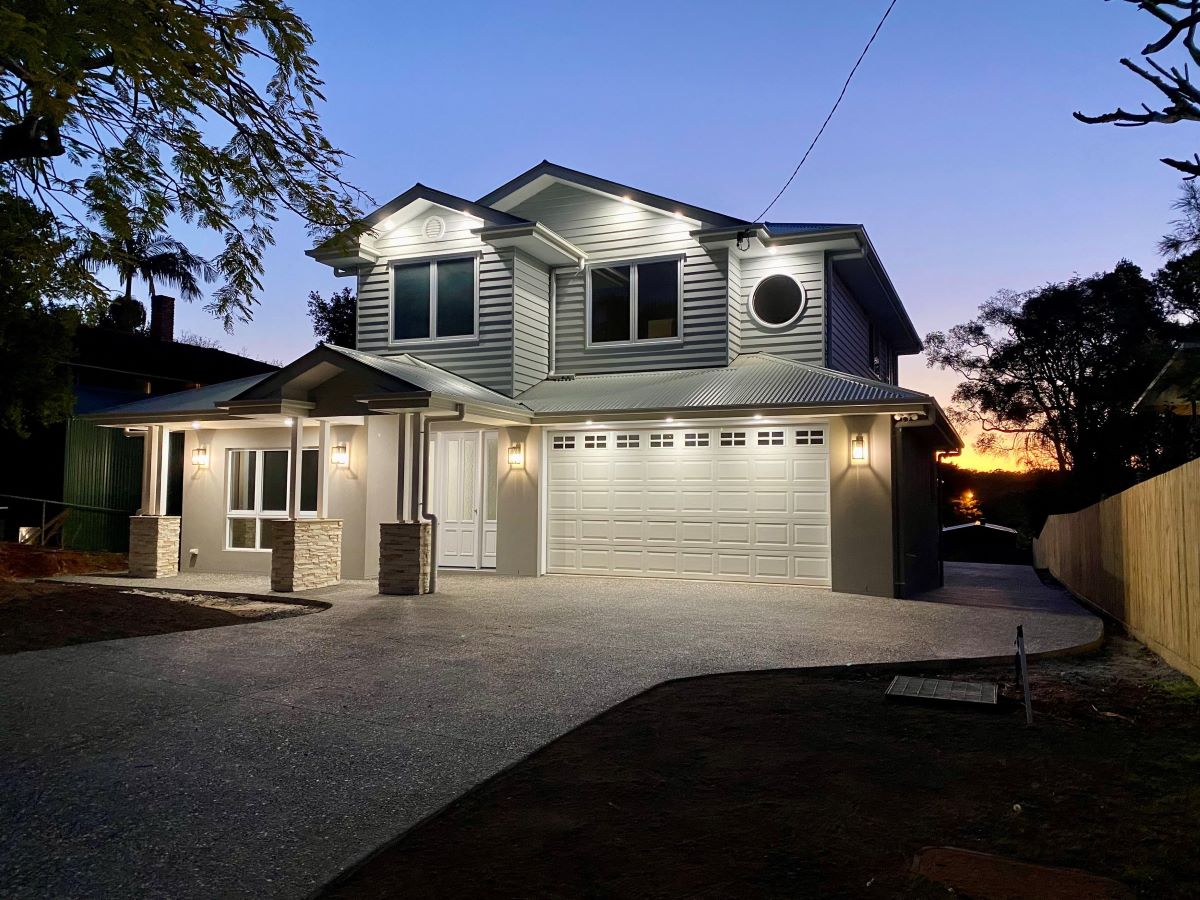
Comprehensive Cost Analysis for Custom Homes in Brisbane for 2026
Ignore the misleading “from $399K” figures often advertised in display home brochures. These amounts pertain to project homes with fixed designs, standard finishes, and numerous exclusions that often extend beyond what is detailed in contracts. Always scrutinise these numbers with a discerning eye.
For a genuinely custom home designed specifically for your needs and preferences, here’s the current market scenario in Brisbane for 2026:
- Mid-range custom (solid finishes, thoughtful design, straightforward block): starting from $3,500/m². A standard 250m² family home in Brisbane typically costs around $875K–$1M for the build.
- Premium custom (higher-quality finishes, greater design investment, superior fixtures): starting from $5,000/m². For the same 250m² home, expect costs ranging from $1.25M–$1.4M for the build.
- Architectural/high-end custom (premium materials, intricate designs, bespoke joinery): starting from $7,000/m² and beyond. This results in a minimum of $1.75M+ for the same footprint.
These figures represent realistic pricing based on contracts in Brisbane over the past 12 months. If anyone quotes significantly lower than these estimates, they may be excluding critical site costs from their initial calculations, cutting essential inclusions you would typically expect, or planning to recover the discrepancy through variation orders once you are committed to the project.
Site Costs: Essential Considerations for Your Custom Home Budget
The figures mentioned above reflect only the building costs. Your block will contribute additional expenses that you must take into account:
- Slope and earthworks: On a flat block, the additional cost is minimal. However, a sloping block—typical in Brisbane’s hilly suburbs—can add anywhere from $30K to $80K or potentially more, depending on the extent of earthworks necessary.
- Demolition (knockdown rebuild): Costs begin at $25K, influenced by house size, materials, and the presence of asbestos. Are you planning a knockdown rebuild? Here’s what the approvals process entails →
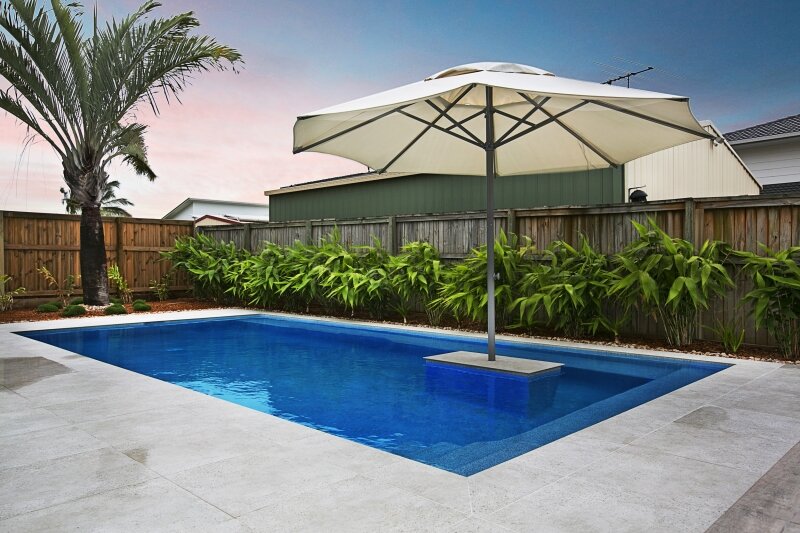
- Driveways, retaining walls, landscaping: Expect to invest between $20K to over $100K, depending on the scope of work required to realise your desired outdoor space.
- Service connections (power, water, sewer): Typically begin at $10K if conditions are straightforward and accessible.
- Council fees, certification, surveys: Anticipate costs starting from $15K, influenced by your location and the specific requirements of your project.
- Soil testing and engineering: Costs start at $5K, increasing if you encounter reactive clay, which is common across Brisbane, necessitating more comprehensive engineering solutions.
In practical terms, site costs usually add between $80K to $200K on top of the build costs for most projects within Brisbane. A builder who provides a build cost without factoring in site costs is not presenting a complete picture, which could lead to unexpected expenses down the line.
The genuine total for most custom homes in Brisbane ranges from $1M to $1.6M, excluding pools and landscaping. High-end builds often surpass this range, ensuring transparency from the outset and allowing you to prepare adequately for your investment.
The Significance of Budget Discussions with Your Builder
Many clients approach discussions with a clear vision of their ideal home: north-facing living areas, four bedrooms, three bathrooms, and a master suite separate from the children’s rooms.
We recognise the excitement and passion that accompany these dreams. However, the first question we always ask pertains to your budget. Without this foundational information, conversations regarding your dream home ultimately lead to unproductive outcomes.
Every wish list tends to exceed every budget.
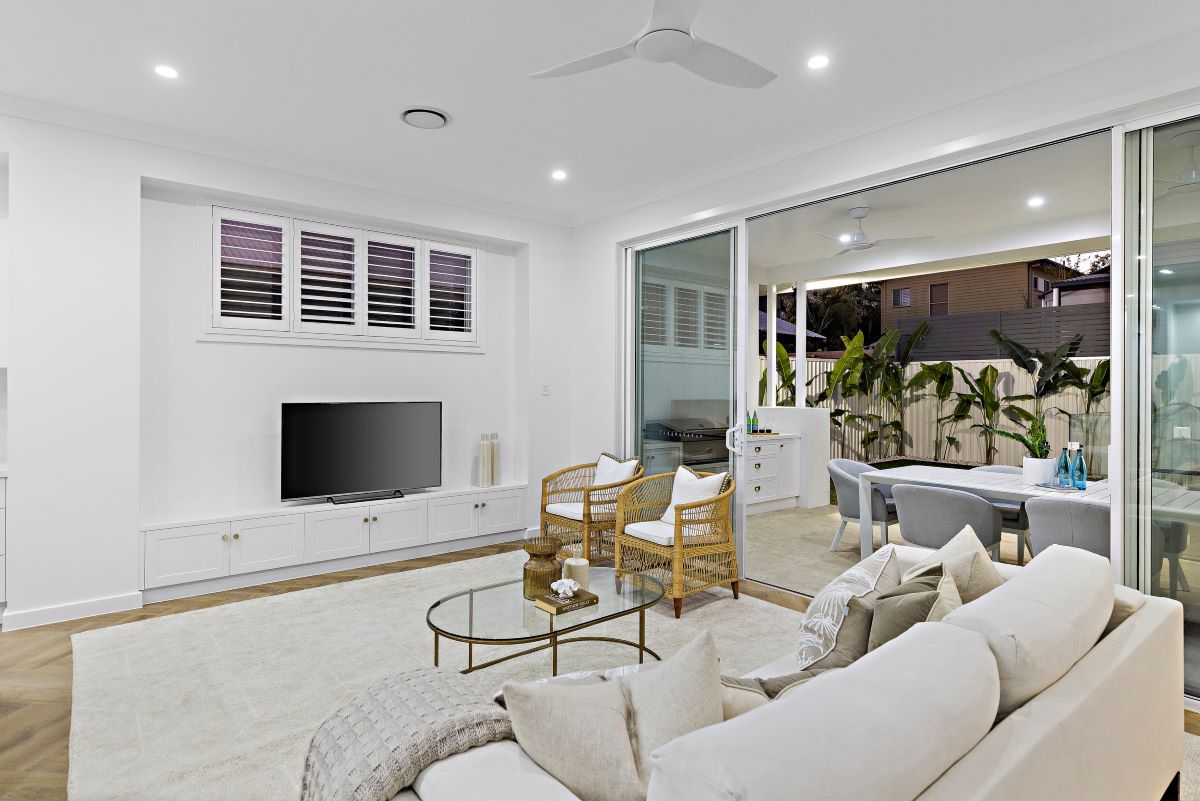
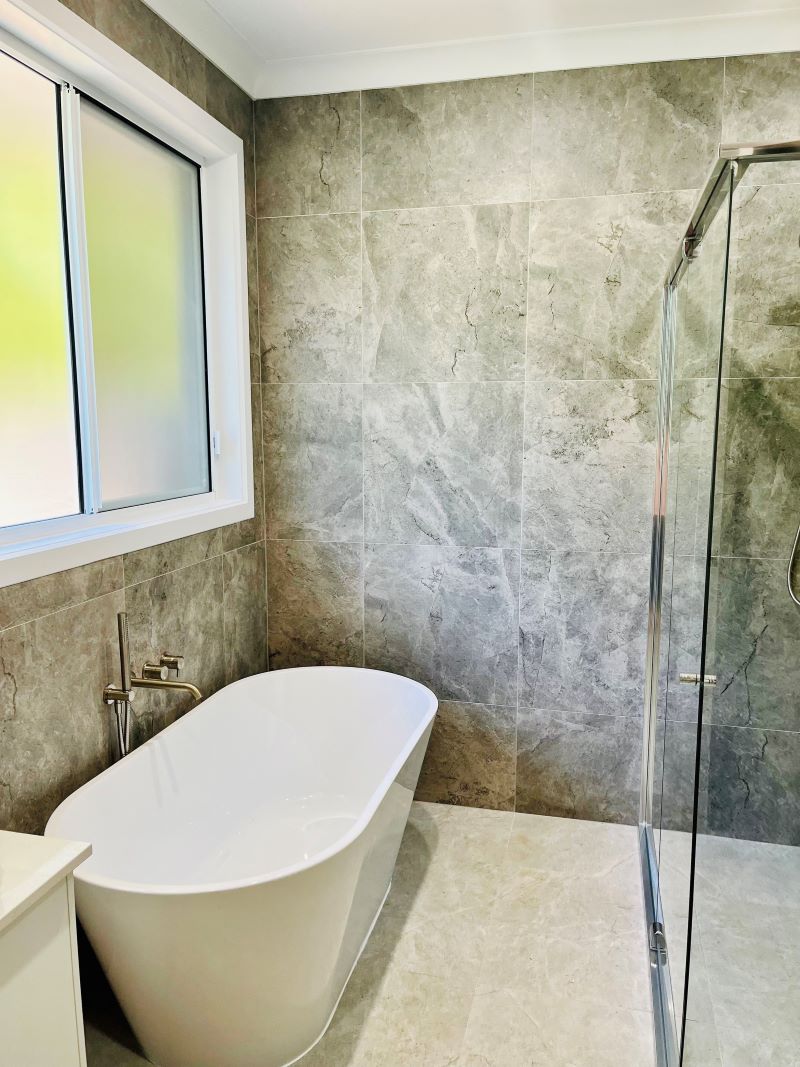
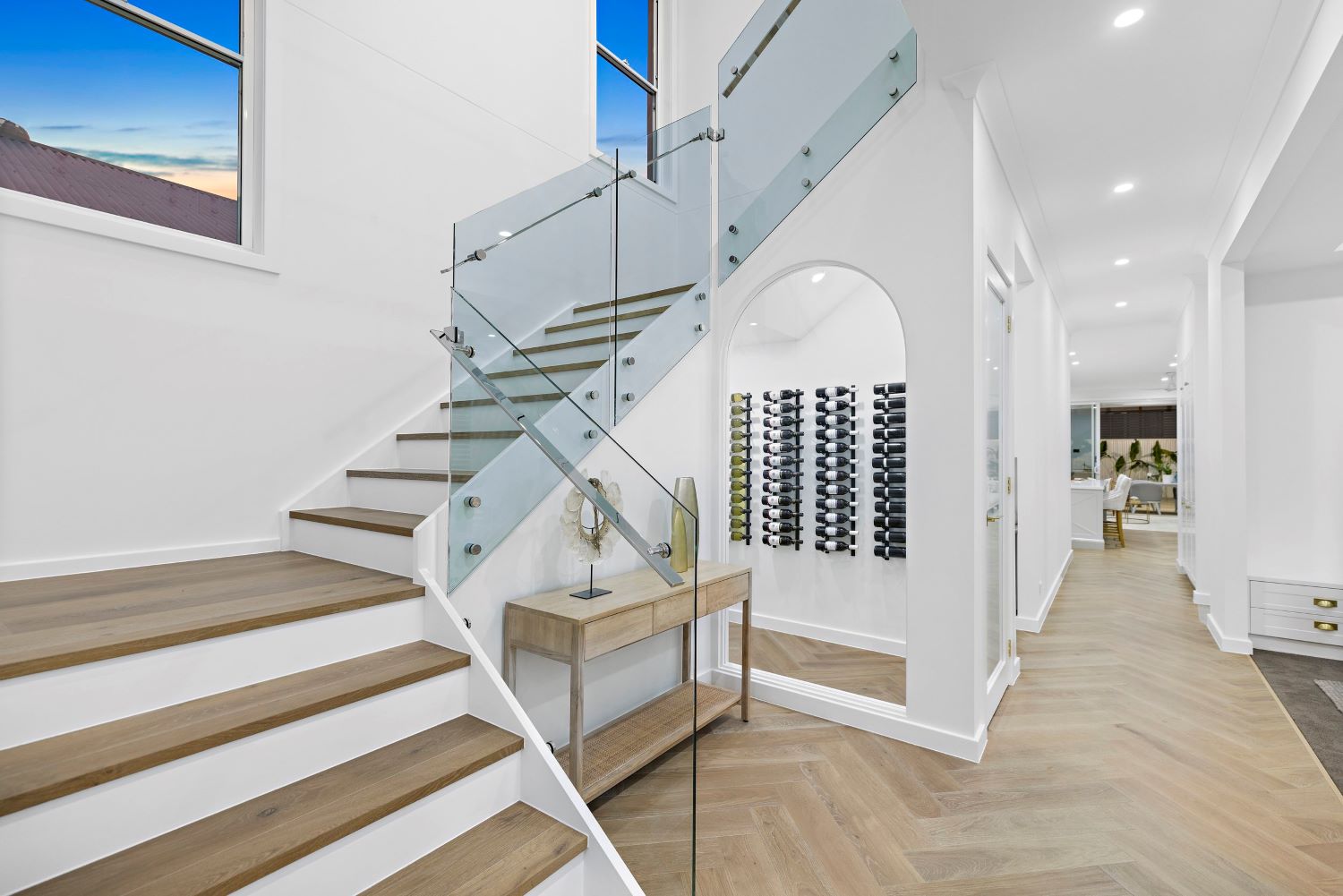
Features such as stone benchtops, butler’s pantries, three-metre ceilings, master ensuites with freestanding baths, and integrated appliances can escalate costs faster than you anticipate. Without a clear understanding of your actual spending capacity, a builder cannot effectively guide you on which features you can include and which may need to be altered to align with your budget.
Designing without a budget often results in plans that are unaffordable.
When a designer sketches your dream home without first grasping your budget, you may find yourself with designs that could cost significantly more than you are willing to spend. Consequently, this situation necessitates either an expensive redesign or a painful list of cuts just before signing, often after you have emotionally invested in a version of the home that incorporates everything you desire.
Changes made after construction begins can incur hefty costs.
Shifting a wall during the design phase is a simple adjustment on paper. However, relocating a wall during construction involves dismantling framing, rerouting services, wasting time, and incurring additional costs. Builders ask about budgets first to ensure they design within those parameters—rather than exceeding them and later charging you for necessary adjustments and changes.
A clear budget allows the builder to demonstrate what is genuinely attainable.
A budget of $1.4M for a 250m² home can unlock a truly premium outcome. Conversely, a $1M budget for the same size home permits mid-range finishes executed effectively. Both outcomes are commendable but represent different discussions, which can only unfold if the budget is openly shared and comprehended.
Distinguishing Must-Haves from Nice-to-Haves: Aligning Your Home Design with Financial Realities
An effective builder will assist you in categorising your requirements into two essential categories, ensuring you maximise your budget.
Must-haves encompass the essential elements you will live with daily for the next 20 years. This includes the number of bedrooms and their relative positioning, a functional laundry, a kitchen layout that accommodates your cooking style, and a genuine indoor-outdoor connection. These structural decisions significantly influence the overall living experience within your home and should be prioritised.
Nice-to-haves are the enhancements that modify the home’s aesthetic and feel without affecting its functionality. This might include choosing between premium stone and mid-range stone, imported tapware versus high-quality local options, three-metre ceilings throughout instead of the standard 2.7, or opting for marble floor tiles rather than porcelain. These elements can be adjusted to suit your budget while maintaining overall quality.
When it’s crucial to manage the budget, the must-haves remain intact while the nice-to-haves may need some flexibility. You might still achieve your desired kitchen layout—albeit with different stone and a standard appliance package initially, leaving room for upgrades later. This is where a builder who genuinely has your best interests at heart assists you: they help you maintain what truly matters, adjust what is less critical, and ultimately create a home that suits both your lifestyle and your financial situation.
Essential Factors Influencing the Cost of Your Custom Home
Several primary factors dictate the cost of your build, generally in the order they affect your budget:
- Size. This is the most significant single factor. Increased square metres lead directly to higher costs—almost in a linear relationship—making size a crucial consideration during your planning.
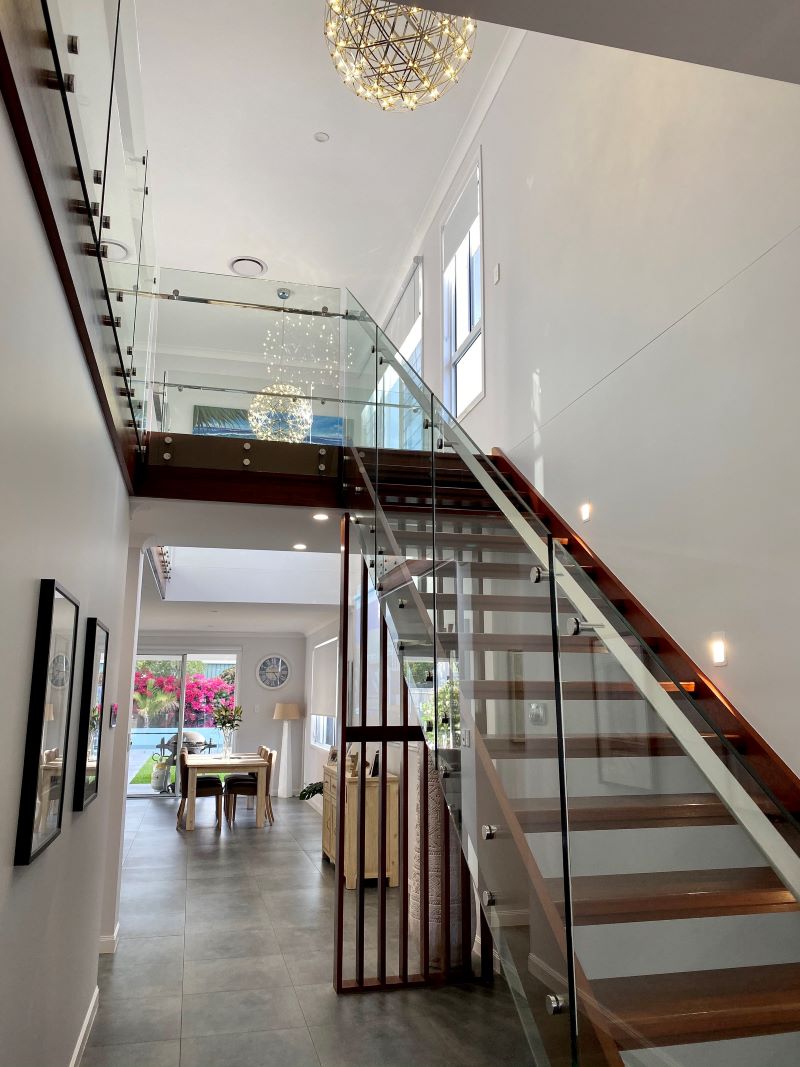
- Storeys. Constructing a two-storey home incurs higher costs per square metre compared to a single-storey home due to structural complexity, scaffolding, and staircase requirements that contribute to your overall expenses.
- Finish level. Your choice of finishes—whether standard, premium, or architectural—across flooring, joinery, stone, tapware, lighting, and appliances greatly impacts the final cost and overall quality of your home.
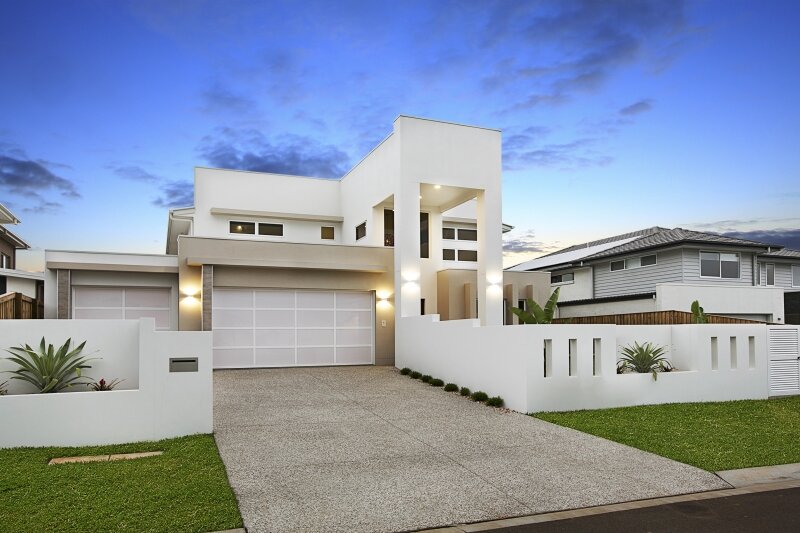
- Design complexity. Features such as cantilevers, voids, angled walls, and intricate rooflines will invariably be more expensive than a basic rectangular design, necessitating careful consideration of design simplicity to manage costs effectively.
- Site conditions. Factors like sloping blocks, reactive soil, limited accessibility, or demolition needs will incur costs even before construction begins, making it critical to thoroughly assess your block.
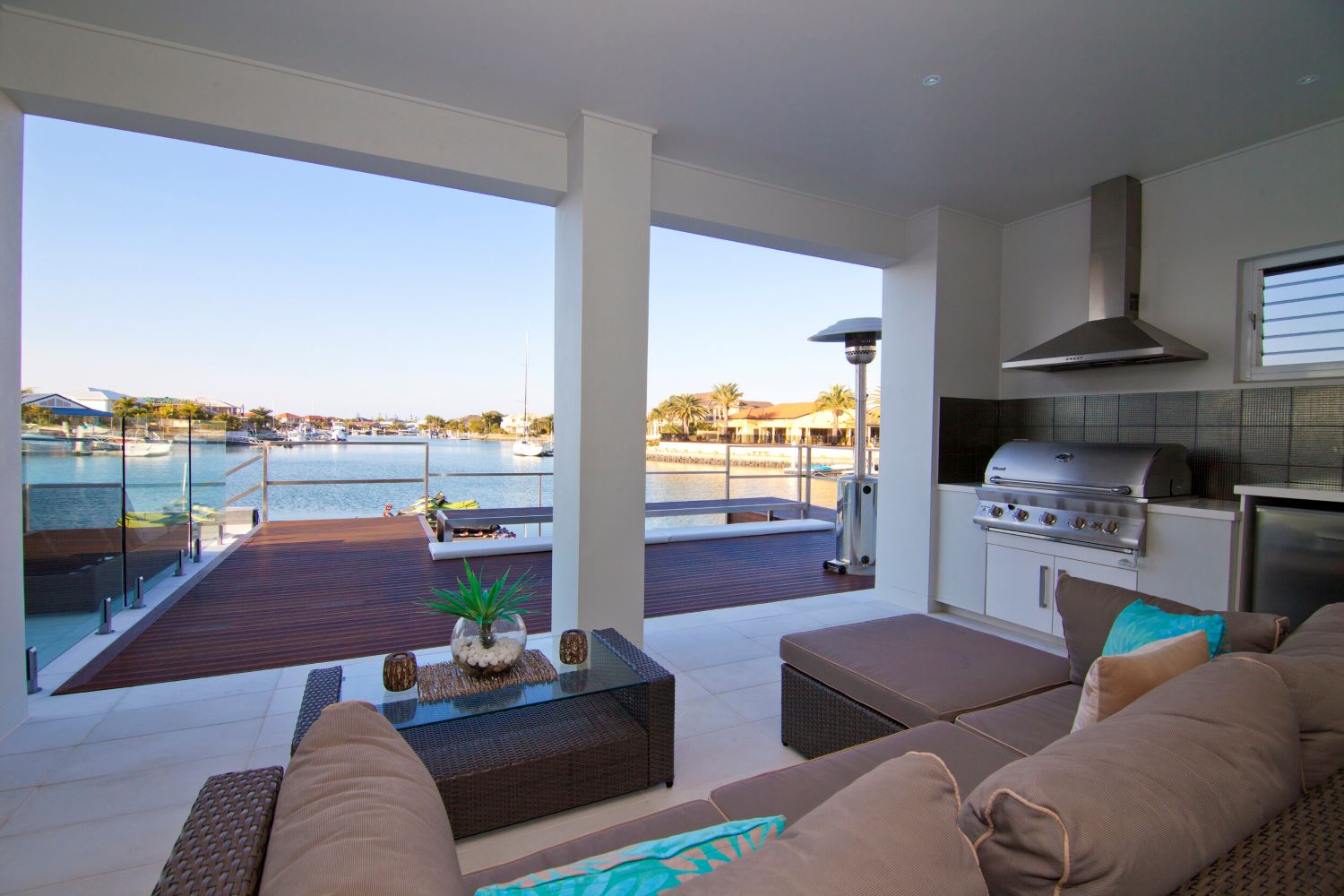
- Inclusions. The elements included in your contract, such as pools, alfresco areas, decks, landscaping, driveways, and fencing, will also influence your overall spending and should be clearly outlined in your agreement.
When your builder asks detailed inquiries about your block and requirements, they are conducting this cost assessment. The more precise your answers, the more accurate their cost estimate will be, facilitating better planning and expectations.
Brisbane-Specific Factors That Affect Construction Costs
Several unique factors can impact budgets specifically in Brisbane:
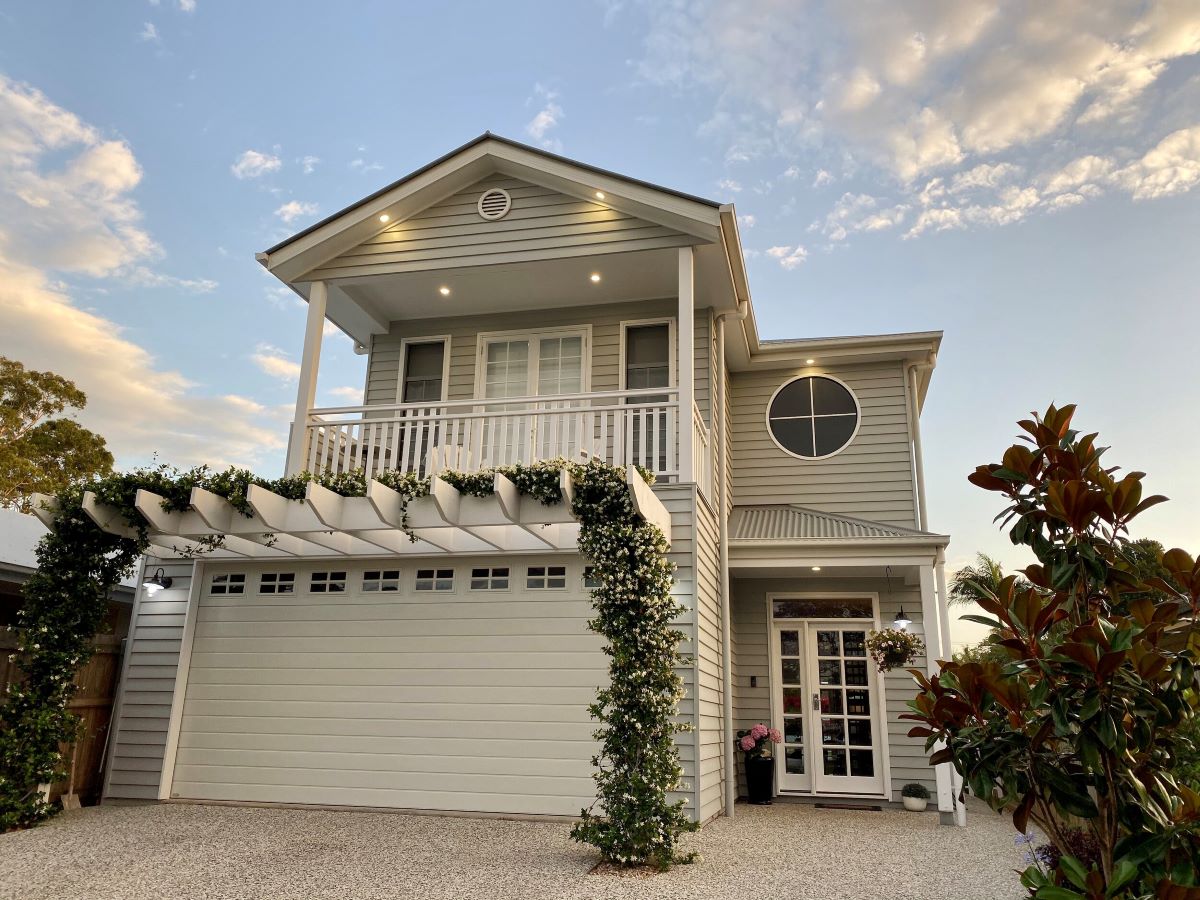
- Character home overlays. If you are constructing in a Character Residential Zone—common in many inner Brisbane suburbs—there may be restrictions on your build, particularly regarding street-facing designs. This can influence your overall design and potentially increase costs, so ensure compliance with local regulations.
- Sloping blocks. The hilly nature of Brisbane means that a sloping block can either be a picturesque site or a costly $100K earthworks challenge, depending on its orientation and the required grading.
- Reactive (clay) soil. This is prevalent throughout Brisbane and necessitates deeper and more robust footings—this can substantially increase the cost of the slab and overall foundation work.
- Termites. In Queensland, termite protection is essential and adds to overall building expenses. Never compromise on this aspect, as it is vital for the longevity and safety of your home.
- Subtropical design. Features like cross-ventilation, shaded outdoor living areas, and adequately wide eaves for shading windows can elevate costs compared to standard suburban builds, but they will save you on cooling in the long run and enhance the home’s overall value.
A builder with extensive experience in Brisbane will incorporate all these considerations into the initial conversation. A builder from another state or one who lacks local experience may overlook these crucial elements, resulting in unexpected costs emerging from later variations that could disrupt your budget.
Practical Strategies for Effectively Discussing Your Budget with Builders
- Establish your budget before discussions commence. Secure finance pre-approval or consult your broker to determine your total budget, including build, site costs, contingencies, landscaping, and furnishings. This knowledge empowers you to make informed choices.
- Include a 10% contingency. Soil conditions may vary, layouts might be refined, and finishes could be upgraded during construction. Having a contingency budget allows you to accommodate these changes without undue stress, ensuring you remain financially on track.
- Be transparent with your builder about your real budget. Quoting a lower figure to test the builder or secure a competitive estimate is a guaranteed way to end up disappointed. Builders who understand your authentic budget can tailor designs accordingly, whereas those unaware will design around an unrealistic figure, leading to potential issues later on.
- Ask about their approach to variations. A low variation rate reflects a builder with a well-structured design-and-build process. High variation rates, or builders unable to answer this question, can serve as a red flag, potentially indicating a lack of experience or thoroughness.
Commonly Asked Questions Regarding Custom Home Building in Brisbane
What is the realistic minimum budget for a custom home in Brisbane in 2026?
For a custom home—crafted to your specifications and built to a high standard—plan to budget from $1M for the build alone, plus an additional $80K to $200K in site costs. Total all-in budgets below $1.1M are exceedingly tight for achieving a meaningful custom home result in Brisbane’s current market.
Why does my builder need to know my budget before designing?
Designing without a budget often leads to plans that do not align with your financial capacity. When the builder understands your budget upfront, they can design within those parameters, preserving the essential elements of your brief while adjusting less critical aspects to meet your financial capabilities.
Are site costs genuinely significant in Brisbane?
In Brisbane, the answer is frequently affirmative. Costs associated with sloping blocks, reactive soil, demolition for knockdown rebuilds, service connections, and council fees can accumulate rapidly. A flat block might incur a straightforward additional cost of $50K, whereas a sloping block with extensive earthworks, lengthy driveways, and significant landscaping could add $200K or more. Always request a site cost estimate alongside any build quote to prevent unexpected expenses.
How long does a custom home build in Brisbane typically take?
A realistic timeframe of 12 to 18 months from the initial consultation to handover is common. The design and approval phase can take 4 to 8 months, influenced by council regulations, design complexity, and character overlays. Construction typically spans 8 to 12 months for most custom homes. Builders promising significantly shorter timelines may be cutting corners, which could become evident during construction, leading to future complications.
Can I save money by having plans drawn up elsewhere before approaching a builder?
Generally, the answer is no. Plans created without alignment to your budget nearly always return with pricing higher than expected. The builder will need to re-price the plans, potentially costing you money you hadn’t budgeted for, or they will ultimately build it with accumulating variations. A design-and-build approach ensures that budget considerations remain central to every design decision from the outset, providing you with clarity and control.
Engage with Iconic for Your Custom Home Project in Brisbane Today
If your budget is around $1M or higher and you are looking for straightforward conversations regarding what your investment can realistically achieve—covering design, site specifics, finishes, and timelines—reach out to us today. Our team is prepared to assist you in navigating this exciting journey.
We will prompt you for your budget early in the conversation, not to complicate matters, but because it is the only way to provide you with genuinely valuable insights. Builders who avoid this critical discussion often leave their clients surprised at the signing phase, leading to disappointment.
Book a free budget consultation now → Or call us directly at: 0402017072
Original Article First Published At: How Much Does It Cost to Build a Custom Home in Brisbane? (2026 Guide)
The Article: Cost to Build a Custom Home in Brisbane: 2026 Guide first appeared on https://writebuff.com
The Article Custom Home Building Costs in Brisbane: 2026 Guide Was Found On https://limitsofstrategy.com