
When grout becomes discoloured, uneven, or appears dirty soon after cleaning, it often signals more serious issues within the joint rather than on the tile surface. Tiles can effectively shed dirt, but grout is more prone to absorbing moisture, residues, oils, and fine particles. This absorption weakens its structure and makes it more porous. Understanding these characteristics helps you distinguish between typical soiling, deeper contamination, surface deterioration, inadequate protection, and when to seek professional assistance.
Use the links below to assess your grout issues and discover effective solutions.
Uncovering the Causes of Darkening and Patchy Grout
When grout frequently shows discolouration or dirtiness shortly after cleaning, the root cause often lies within the joints rather than the tile surfaces. Tiles are denser and more efficient at shedding dirt, while grout is more absorbent and mechanically weaker, making it more prone to visible wear and contamination.
Understanding Factors That Cause Grout to Appear Darker
If your grout dries darker than the surrounding tiles, it indicates the presence of substances that the tiles do not absorb. Moisture, cleaning agents, oils from the body, cooking grease, soap residues, and fine dirt infiltrate the porous grout structure. While it may look brighter when wet, these contaminants become visible again as it dries.
Unlike sealed surfaces, cement-based grout is porous and designed to fill gaps and accommodate slight movements. This feature is beneficial, but it also allows contaminants to settle within the grout long before any noticeable wear appears on the tile surface.
Moisture Movement and Its Effects on Grout
If certain grout lines consistently appear worse than others, moisture movement might be a contributing factor. Liquid does not just rest on the surface; it is drawn in through interconnected pores. This capillary action explains why darkening can spread along a joint or remain evident even when adjacent tiles look clean.
Hard water, soap residues, and repeated wet cleaning leave behind materials as moisture evaporates. Over time, especially in high-traffic areas like kitchens, bathrooms, and hallways, this cycle continues. You might notice dullness, greyness, brown stains, or uneven colouration. The primary issue is how the grout interacts with moisture and the residues it retains.
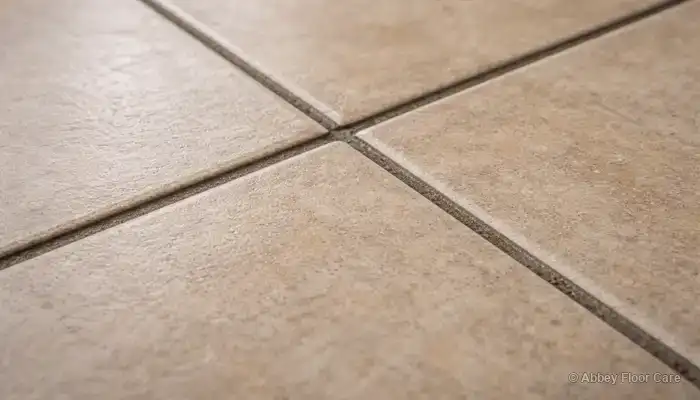
Residues That Attract New Dirt Within the Grout Joint
If grout appears clean right after mopping but turns dull within a few days, residues are likely drying within the joint. Detergents and surfactants can leave a thin, sticky film that attracts new dirt, perpetuating the soiling cycle.
This situation is often misinterpreted as poor cleaning habits. It actually stems from the material’s properties. As grout becomes more absorbent, it retains more residues beneath the surface. For a comprehensive discussion on safety, refer to our guide on avoiding unsafe grout cleaning mistakes, as using inappropriate products can worsen this cycle instead of alleviating it.
Long-Term Changes Affecting Grout Surface Quality
If grout that once cleaned well now seems perpetually dirty, its surface may have degraded. The dense outer layer of cured grout slows moisture absorption. Once this layer wears away—due to abrasion, harsh cleaners, bleach, improper cleaning during installation, or excessive scrubbing—the exposed material beneath becomes significantly more absorbent.
To improve the situation, treatments must address the current conditions. Effective intervention targets the internal state of the grout, rather than just the visible surface. Once restored and properly protected, maintaining the floor becomes significantly simpler.
Identifying the Unique Behaviours of Grout Compared to Tiles
Grout behaves differently than the surrounding tiles in terms of dirt and moisture absorption due to its softer, more open structure. Dense tiles, whether ceramic, porcelain, or stone, generally repel water, while grout serves as a collection channel between them. The same cleaning routine can yield vastly different results for grout and tiles.
Cement-based grout forms a hardened matrix made up of cement, aggregate, pigment, and water. This structure contains fine internal voids that permit slight movement within the installation. These voids also allow moisture, dissolved minerals, cleaning residues, and fine soil to settle beneath the surface.
The key takeaway is clear: when tiles wipe clean but the grout remains dull or darker, the joint is functioning as intended. This is not a failure of the tile; it reflects grout fulfilling its role, revealing its vulnerabilities over time.
What Triggers Rapid Dirt Absorption in Grout?
A noticeable change in surface condition often signals the underlying issue. Frequent scrubbing or aggressive cleaning can strip away the dense top layer that previously minimised absorption. This transition can feel abrupt, as grout that once cleaned reasonably well starts to appear rougher, darker, and dirtier at an alarming rate.
This thin upper layer is crucial. Once it is removed, the underlying structure becomes more porous. Signs of this include a sandy texture, uneven drying, and rapid re-soiling. More scrubbing will not resolve the issue; it typically exacerbates it.
Without the dense top layer, grout absorbs dirt at a significantly faster rate.
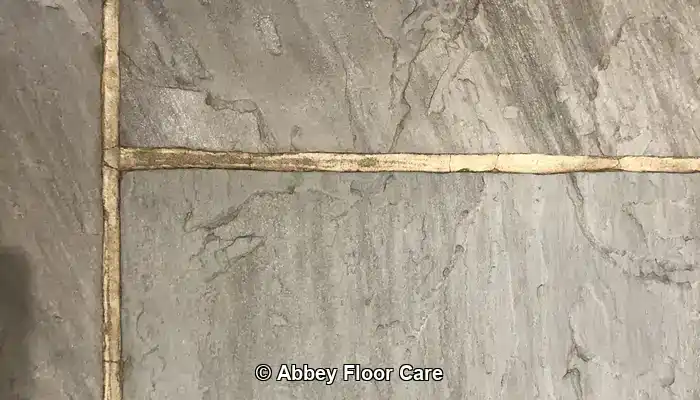
At this point, moisture movement becomes more pronounced. Liquid penetrates quickly, bringing dirt and residues along with it. The primary diagnostic sign is how quickly the grout appears dirty again after cleaning.
Why Do Some Grout Areas Maintain Their Colour While Others Darken?
Epoxy grout operates differently because contaminants tend to remain on the surface rather than penetrating deeply. You might notice one area staying uniform while a nearby section becomes grey or blotchy. This contrast often relates to the grout type, level of wear, and potential absorption capacity.
Cement-based grout changes colour when moisture and residues infiltrate the joint. High-traffic areas—such as walkways, kitchens, and splash zones—experience more wear and heightened absorption, leading to quicker darkening. This discrepancy is not due to poor cleaning; it reflects uneven exposure.
Stable grout dries uniformly and retains its colour. Conversely, unstable grout displays darker bands, mottled patches, or rapid re-soiling. Recognising this distinction is crucial before deciding on your next steps.
Why Does Dirt and Cleaning Residue Reappear So Quickly After Mopping?
If your grout appears clean after mopping but quickly dulls again within days, it is almost certainly due to leftover residues. While water evaporates, detergents, soil, and surfactants remain behind, creating a base layer for the next cycle of dirt accumulation.
This scenario exemplifies the classic “never stays clean” issue. The problem does not lie with the cleaning effort but rather with where the residue accumulates—and whether it can be completely removed.
In humid conditions, mould and mildew may thrive on this residue. Poor ventilation prolongs moisture within the joint, encouraging biological growth. Proper maintenance stabilises conditions after professional treatments, and our safe grout cleaning guidelines stress the importance of using pH-neutral products, as bleach or acids can worsen the problem.
Why Do Traditional Cleaning Methods Yield Only Temporary Grout Improvements?
Powerful cleaners may temporarily brighten grout while simultaneously compromising its protective surface. This can create a misleading sense of progress.
Acidic products can react with cement-based grout, degrading the binder. Visual indicators include loss of colour, roughness, and quicker darkening after subsequent cleans. At this stage, the solution should focus on the grout’s condition rather than solely on the strength of the cleaner.
A seemingly cleaner appearance can still leave grout more absorbent than it was before.
Abrasive scrubbing has a similar effect. By removing a thin layer, you expose fresher material, making the grout temporarily appear brighter. This exposed surface absorbs dirt more readily. For issues specifically related to haze, refer to our page on removing grout haze from tiles, as haze differs from long-term grout darkening.
What Causes Sealant Failures That Result in Rapid Grime Build-Up on Grout?
Sealant failures often manifest as uneven absorption, leading to darker traffic lanes, patchy wetting, or stains that reappear too quickly. Some areas may still show signs of sealing, but the effect is no longer effective.
Effective sealants work by slowing the entry of moisture and dirt. When this protection fails, grout begins to absorb contaminants again. The solution depends on whether the joint is clean, dry, and structurally sound.
Sealing cannot rectify deeper issues such as contamination, erosion, or cracking. This limitation is crucial to understand. For advice on the best sealing methods, consult our guide on the best grout sealing method after identifying the root cause.
Why Do Grout Problems Continue Even After Treatment?
If grout issues recur after treatment, it indicates that the original cause remains. While the surface may show temporary improvement, deeper contamination, residues, or structural changes persist.
Residues can resurface when detergent films linger within the joint. Failed protection becomes apparent when sealing no longer manages absorption. Mould may reappear in overly moist conditions.
This highlights a crucial distinction—appearance versus condition. A floor that seems dirty quickly may not be accumulating dirt at the same rate. Occasionally, it may never have fully recovered in the first place. For solutions focused on colour, grout colour sealing for dirty grout offers corrective treatment beyond mere diagnosis.
What Distinguishes Stable Grout from Deteriorating Grout Over Time?
Stable grout exhibits consistent behaviour. It dries uniformly, retains its colour, and does not re-soil rapidly. This stability results from a sound surface condition and controlled absorption.
Deteriorating grout displays the opposite characteristics. It absorbs dirt more quickly, dries unevenly, and retains residues. The differences often stem from wear, chemical interactions, and moisture cycles.
Effective maintenance is crucial. Using pH-neutral cleaners, removing debris before mopping, and resealing at appropriate intervals are essential steps. Avoid using washing-up liquid, as it leaves behind surfactant residues that restart the cycle.
How Can You Identify If Grout Issues Lie Beneath the Surface?
If dark shadowing remains after drying, the problem likely lies beneath the surface. Surface dirt can be easily cleaned, but embedded contamination cannot.
Observe patterns rather than focusing solely on colour. Pay attention to how the grout appears when wet, how it dries, and if specific areas darken more quickly. These signs will guide your next steps.
- Darkness persists after the tile looks clean and dry.
- Specific grout lines darken more rapidly than others.
- The joint feels rougher or more porous.
- Water darkens the grout quickly instead of resting on the surface.
Colour alone is insufficient for diagnosing the issue. It could indicate residue, biological growth, a compromised structure, or failed protection. The next steps should tackle the underlying cause, not just the appearance.
What Actions Should You Take If Grout Problems Persist After Diagnosis?
Your next steps should follow the identified cause rather than your frustration. A dark, chalky, or patchy joint may seem similar, but they indicate different stages of the problem.
This page focuses on diagnosis for a reason. The right method will be found on the relevant follow-up page. For many homeowners, the next step involves the homeowner guide to safe grout cleaning, as product selection often contributes to the initial problem.
In situations where professional service is necessary, pages like professional grout cleaning and sealing in Glasgow provide resources beyond this diagnostic hub. For specific outcomes, guidance on protection, haze removal, or colour correction is available on dedicated pages.
Once the root cause is effectively addressed, maintaining the floor becomes much easier. This transition represents a shift from merely treating symptoms to understanding the fundamental issues within the grout.

David Allen — Abbey Floor Care
David Allen has dedicated over 30 years to diagnosing and restoring tiled floors at Abbey Floor Care, focusing on grout issues where the visible problem originates from the joint rather than the tile surface. His expertise enables homeowners to distinguish between surface dirt and deeper grout behaviour, helping them make informed decisions about when to prioritise cleaning, sealing, recolouring, or repair on a follow-up page.
The Article Restoring Grout Floors Starts With The Joints was first found on https://www.abbeyfloorcare.co.uk
The Article Restoring Grout Floors: Focus on the Joints First appeared first on https://fabritec.org
The Article Grout Floors Restoration: Prioritise the Joints First Was Found On https://limitsofstrategy.com