Your Comprehensive Guide to Mastering Low-Sugar Baking Techniques
Discover Essential Ingredients for Low-Sugar Baking Success
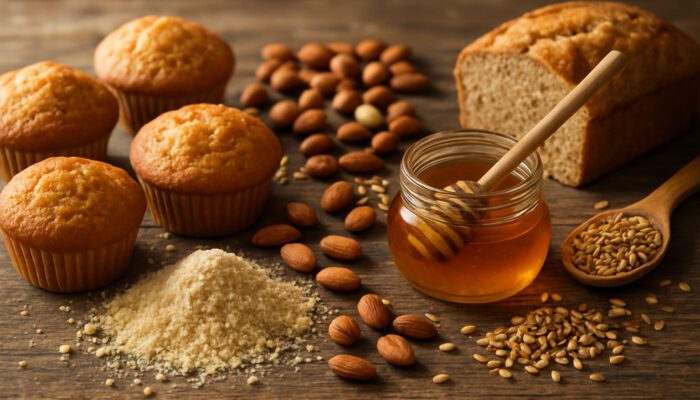
Choosing the right ingredients plays a pivotal role in achieving excellent results in low-sugar baking. By incorporating whole grains, nuts, and natural sweeteners, you can craft a delightful selection of flavours and textures that align with your health-focused goals. For example, using almond flour in place of regular flour not only boosts moisture retention but also introduces a rich, nutty flavour, resulting in treats that are both scrumptious and healthier for you and your family.
Integrating fruits such as bananas or apples contributes natural sweetness and moisture, significantly cutting down the need for added sugars in your recipes. Opting for unsweetened cocoa powder or high-quality dark chocolate can satisfy your cravings without drowning your baked goods in excess sweetness. By carefully selecting your ingredients, you can create delightful treats that comply with low-sugar standards while remaining utterly satisfying.
Sharpen Your Measurement Skills for Baking Excellence
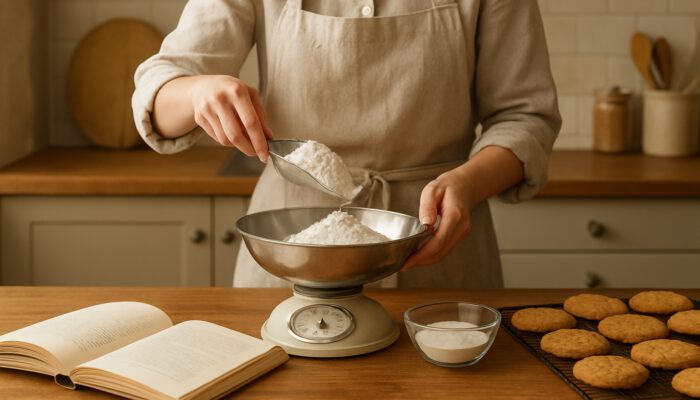
Accurate measurement is vital in low-sugar baking to ensure consistent and pleasing results. Using a kitchen scale for dry ingredients helps prevent common mistakes that could lead to overly dense or dry baked items. When measuring liquids, utilise containers with clear markings to maintain the correct balance, especially when substituting traditional sugars for healthier options.
Attention to detail in your preparation is crucial for achieving optimal results. This means accurately measuring ingredients and avoiding heaped cups of flour or sugar alternatives. Consistent measurements lead to dependable outcomes, enhancing your baking experience and minimising the chances of disappointment or frustration during your culinary adventures.
Implement Smart Storage Solutions for Your Low-Sugar Baked Goods
- Extends the shelf life of your baked delights.
- Preserves quality and freshness over time.
- Prevents spoilage and significantly reduces waste.
- Ensures safe enjoyment of your delicious creations.
Employing appropriate storage methods is essential for maintaining the quality of your low-sugar baked items. Storing them in airtight containers helps preserve their texture and flavour. Keeping these items in a cool, dark location prevents moisture loss and spoilage, ensuring they remain delightful for an extended period.
Utilising your freezer for long-term storage is another excellent approach. Many low-sugar treats freeze exceptionally well, allowing you to prepare batches in advance. Just ensure you wrap them securely to avoid freezer burn, maintaining their quality until you’re ready to indulge.
Select the Right Tools for a Smooth Baking Experience
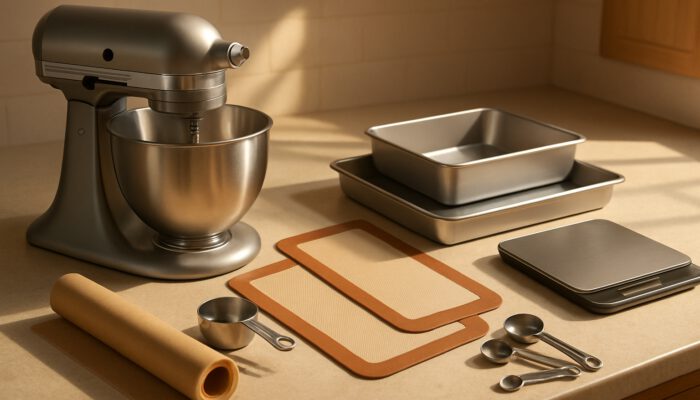
Choosing the right tools and appliances is key for an efficient baking process. A reliable mixer ensures even mixing of all ingredients, while high-quality baking pans guarantee uniform heat distribution, resulting in consistently baked goods. Silicone mats or parchment paper are ideal for preventing sticking, which is particularly important when dealing with low-sugar batters that might be more fragile.
Investing in precise measuring cups, spoons, and a kitchen scale significantly enhances your baking accuracy. These essential tools assist you in maintaining the correct proportions while using alternative sweeteners and flours, ultimately contributing to the success of your low-sugar recipes and making the baking experience more enjoyable.
Expert Insights for Creating Low-Sugar Recipes in Your Kitchen
Practical Examples of Ingredient Swaps to Enhance Flavour
Thoughtful ingredient substitutions can greatly elevate the flavour and texture of your low-sugar baked goods. For instance, replacing granulated sugar with mashed bananas or apple sauce significantly reduces sugar content while adding moisture. Incorporating Greek yogurt can also replace some fats, increasing protein levels and creating a healthier dessert without sacrificing taste or satisfaction.
Another effective swap involves using nut flours instead of conventional all-purpose flour. Almond flour or coconut flour offer unique flavours and textures while being lower in carbohydrates. These smart ingredient swaps allow you to create delightful treats that cater to various dietary preferences without compromising on taste or enjoyment.
How to Successfully Modify Baking Recipes for Various Occasions
Adjusting recipes requires careful modifications to preserve the integrity of your baked goods. Start by multiplying or dividing ingredient quantities based on your desired batch size, keeping ratios in mind. For example, if you double a recipe, ensure all ingredients, including leavening agents, are adjusted accordingly to maintain the desired texture and rise.
When reducing batch sizes, be aware of baking times. Smaller quantities may require less time in the oven, so keep a close eye to prevent overbaking. Documenting your adjustments will enable you to replicate successful outcomes consistently without wasting valuable ingredients, making your baking efforts more efficient.
Effective Strategies for Balancing Flavours in Low-Sugar Baking
Achieving a well-rounded balance of flavours in low-sugar baking often involves melding sweet and savoury elements. Incorporating spices like cinnamon, nutmeg, or vanilla enhances the perception of sweetness without adding sugar. Adding citrus zest or extracts intensifies flavours, creating a more nuanced and enjoyable tasting experience.
Experimenting with various fruit and nut combinations can lead to delightful discoveries and unique flavour profiles. For instance, pairing dark chocolate with orange zest can produce a rich and satisfying dessert that doesn’t rely on excessive sugar. This approach allows you to cater to diverse tastes while keeping your treats deliciously low in sugar and full of flavour.
Adjusting Baking Temperatures for Superior Results
When using sugar alternatives, it’s crucial to modify oven temperatures and baking times for optimal results. Many sugar substitutes caramelise differently, which can lead to variations in texture and colour. Slightly lowering the oven temperature can prevent over-browning while ensuring your baked goods cook evenly throughout.
It’s equally important to monitor baking times closely. Low-sugar recipes often require shorter baking durations, so checking for doneness a few minutes earlier will help prevent dry or overcooked results. With these adjustments, you can consistently achieve professional-level outcomes, making your low-sugar baking experiences rewarding and enjoyable.
What Are the Best Flour Alternatives for Low-Sugar Baking?
Understanding the Benefits of Almond Flour
Almond flour is a popular choice in low-sugar baking, renowned for its distinct nutty flavour and moisture-retaining qualities. It has fewer carbohydrates compared to traditional flour and is rich in healthy fats, making it a nutritious alternative. This flour shines in cookies, cakes, and muffins, enhancing both taste and texture for delightful results.
When utilising almond flour, it’s essential to consider its density. Recipes may need adjustments in liquid content or additional binding agents, such as eggs, to achieve the desired consistency. Understanding its unique properties enables you to create scrumptious baked goods that adhere to low-sugar principles while satisfying your cravings for delicious desserts.
Exploring Coconut Flour as a Flexible Baking Option
Coconut flour is another exceptional choice for low-sugar baking, recognised for its high absorbency and distinctive flavour profile. Rich in fibre, it promotes a sense of fullness. Due to its absorbent nature, recipes often require adjustments, such as increasing liquid or fat content to achieve the right texture in your baked goods.
This flour is suitable for a variety of baked items, from pancakes to bread. Its subtle sweetness enhances other flavours while keeping sugar levels low. Experimenting with coconut flour can introduce an exciting twist to your baking routine, making it a versatile option for health-conscious bakers seeking delicious outcomes.
Improving Texture with Oat Flour
Oat flour is an excellent option for those aiming to boost heartiness and fibre content in their baked goods. It lends a unique texture that enhances the mouthfeel of cookies and cakes, making them more pleasurable to eat. The natural sweetness of oats can enrich low-sugar recipes, making them more enjoyable without relying on added sugars.
When using oat flour, you may need to adjust the liquid ratios in your recipes, as it tends to absorb moisture. This flour works exceptionally well in combination with other alternatives, promoting a balanced texture and flavour. By incorporating oat flour, you can elevate your baking while adhering to low-sugar guidelines, creating healthier treats that everyone will appreciate.
Uncovering the Health Benefits of Low-Sugar Baking
Research Findings on the Health Benefits of Low-Sugar Diets
Studies indicate that lowering sugar intake can lead to significant metabolic benefits. Research shows that individuals who adopt low-sugar diets often experience improved blood sugar control and a reduced risk of chronic diseases. Integrating low-sugar baking into your lifestyle can greatly enhance these positive health effects, allowing you to enjoy delicious treats while supporting your overall wellness.
Focusing on recipes that utilise natural sweeteners and wholesome ingredients allows you to enjoy tasty baked goods while prioritising your health. This approach fosters a sustainable way of eating that emphasises nutrition without sacrificing flavour, creating a win-win situation for health-conscious bakers who want to indulge in delightful desserts.
Maintaining Consistent Energy Levels with Low-Sugar Recipes
Low-sugar recipes help sustain steady energy levels throughout the day. Traditional high-sugar baked goods often cause spikes and crashes in blood sugar, leaving you feeling fatigued and irritable. By incorporating low-sugar alternatives, you can indulge in satisfying treats that provide lasting energy without the rollercoaster effect.
To maintain your vitality, consider adding whole foods and healthy fats to your baking. This combination keeps you feeling full and energised, enabling you to power through your day without the risk of a sugar crash. Implementing these changes can lead to a more balanced and enjoyable baking experience, enhancing both your mood and your health.
Long-Term Health Advantages of Low-Sugar Baking
Embracing low-sugar baking techniques can yield lasting health benefits, including better weight management and improved dental health. Regularly consuming lower-sugar options reduces the risk of cavities and other dental issues while promoting a healthier lifestyle overall. This shift nurtures enduring positive changes in your eating habits and overall well-being.
Incorporating these practices into your routine encourages mindfulness about sugar intake. By concentrating on whole ingredients and natural sweeteners, you foster a sustainable approach to baking that supports your overall wellness. This strategy not only enhances your health but also deepens your appreciation for delicious, guilt-free treats.
Expert Tips for Creating Irresistible Low-Sugar Desserts
Adjusting Oven Temperatures for Perfect Baking Outcomes
Correct oven temperature settings are crucial for successful low-sugar baking. Sugar significantly contributes to browning and caramelisation; therefore, when using substitutes, adjusting the temperature can help prevent excessive browning and ensure even baking. Lowering the temperature slightly enables your baked goods to cook thoroughly while preserving their intended flavours and textures.
Monitoring baking times is equally important. Low-sugar desserts may require shorter baking durations, so checking for doneness a few minutes earlier can help achieve optimal results. These adjustments guarantee that your treats emerge perfectly baked and ready to impress without compromising on taste or quality.
Understanding the Importance of Mixing Ingredients in the Correct Order
The sequence in which you combine ingredients can significantly affect the final outcome of your baked goods. Following specific mixing orders promotes proper aeration and binding, both essential for achieving an excellent rise and crumb structure. Begin by creaming fats and sweeteners together before adding dry ingredients to ensure even distribution throughout the batter.
Gradually incorporating eggs can also enhance the texture of the batter. This method allows for better emulsification, resulting in a smoother mixture and a more tender final product. Paying attention to the mixing order can elevate your low-sugar desserts, making them taste as delightful as their traditional counterparts while keeping them healthy.
Recognising the Importance of Allowing Cooling Periods
Allowing baked goods to cool properly is vital for flavour development and texture enhancement. After removing items from the oven, let them rest before serving. This cooling period enables flavours to meld and structures to set, preventing sogginess and ensuring a pleasurable eating experience for you and your guests.
Cooling on a wire rack is ideal, as it promotes airflow around the baked goods, preventing moisture accumulation. This technique is particularly significant for low-sugar items, which can be more sensitive to changes in moisture content. Proper cooling can greatly enhance the quality of your final products, ensuring they are as delectable as they are healthy.
Selecting the Best Sweeteners for Low-Sugar Baking
Choosing the right low-calorie sweeteners is essential for replicating the taste profile of conventional sugar. Options like stevia, erythritol, or monk fruit can deliver the sweetness you desire without the drawbacks associated with excessive sugar consumption. Each sweetener has unique properties, so understanding their characteristics helps you select the best fit for your specific recipes.
Consider how each sweetener behaves during the baking process. Some may lead to excessive browning or alter the texture of your batter. By experimenting with various options, you can discover the perfect balance that maintains the integrity of your low-sugar desserts while ensuring they taste delightful and satisfying.
Monitoring Batter Consistency for Optimal Results
Paying attention to your batter’s consistency is crucial when reducing sugar levels. Sugar plays a significant role in moisture retention; therefore, without it, your batter may require adjustments. Regularly checking the thickness allows you to compensate for the absence of sugar, ensuring your baked goods do not turn out dry or crumbly.
Incorporating extra liquid or binding agents, such as applesauce or yogurt, can help achieve the desired moisture level. Keep in mind that different flours absorb liquids differently; hence, adjustments may vary based on the ingredients used. With careful monitoring and necessary adjustments, you can create perfectly textured low-sugar treats every time you bake.
Proven Techniques for Successful Low-Sugar Baking
Learning from Successful Baking Experiences to Improve Outcomes
Gaining insights from successful baking experiences can provide practical steps for replicating quality low-sugar baked goods. For instance, many bakers have found that a combination of almond flour and coconut flour produces excellent results in cookies and cakes, effectively balancing flavour and texture.
Keeping a record of your experiments can refine your approach. Take notes on ingredient ratios, baking times, and any adjustments made to better understand what works best for you. By analysing these results, you can develop a repertoire of reliable recipes that deliver consistent quality under various baking conditions, making your baking journey more enjoyable.
Mastering Timing in the Baking Process for Optimal Efficiency
Timing is a crucial element in the baking process, especially when it comes to low-sugar recipes. Careful scheduling of each step can maximise efficiency and reduce the likelihood of errors. Preparing ingredients in advance allows for a smoother workflow, minimising the chances of missing essential steps in your baking process.
Consider the resting times for doughs and batters, as these can significantly impact the final product. Allowing time for flavours to develop or gluten to relax can lead to improved texture and taste. By honing your timing skills, you can elevate your low-sugar baking to new heights and create delicious desserts with confidence.
Actionable Steps for Troubleshooting Common Baking Issues
Troubleshooting is an essential skill for any baker, particularly when experimenting with low-sugar recipes. Conducting systematic checks can help identify issues promptly. For instance, if a cake fails to rise, check whether the leavening agents were measured accurately or if the oven temperature was set correctly.
Maintaining a baking journal can be incredibly beneficial for tracking your successes and failures. Record any adjustments made and the outcomes to refine your approach over time. By being proactive in troubleshooting, you can effectively salvage batches and enhance your low-sugar baking skills, turning challenges into valuable learning experiences.
Natural Fruit Alternatives for Sugar Replacement in Baking
Using Banana Puree as a Natural Sweetener
Mashed banana puree serves as an excellent natural sweetener, adding both sweetness and moisture to your baked creations. It works particularly well in muffins, cakes, and pancakes, providing a rich texture without the need for added sugars. The binding qualities of banana puree also contribute to the overall structure of your treats, resulting in delightful and satisfying results.
When using banana puree, consider adjusting the liquid content in your recipe to account for the added moisture. This substitution not only enhances flavour but also promotes a healthier profile, making your baked goods more nutritious and enjoyable without the guilt of traditional sugar.
Exploring the Benefits of Applesauce as a Sweetener
Apple sauce is a fantastic alternative for replacing sugar in your baking adventures. Its smooth consistency blends seamlessly into batters, reducing the need for additional fats while imparting a subtle tartness. This makes it perfect for brownies, cakes, and quick breads, providing moisture and sweetness without excessive sugar content.
When adding apple sauce, be mindful of the overall liquid balance in your recipe. Adjusting other liquid ingredients can help maintain the desired texture of your baked goods. This versatile ingredient can elevate your low-sugar baking while ensuring it remains deliciously moist and flavourful, making every bite a joy.
Making Date Paste for Natural Sweetness
Soaked and blended dates create a rich, caramel-like paste that can enhance both the taste and nutritional value of your baked goods. This natural sweetener is ideal for energy bars, cookies, and brownies, offering a chewy texture and deep sweetness without refined sugars that can negatively affect your health.
To prepare date paste, soak pitted dates in warm water for about 10 minutes, then blend until smooth. This paste can be a direct substitute for sugar, although you may need to adjust other liquids accordingly. Incorporating date paste allows you to create indulgent treats that align with low-sugar principles while delighting your taste buds.
Avoiding Common Missteps When Reducing Sugar in Baking
Avoid Overcompensating with Sweeteners
One common pitfall in low-sugar baking is overcompensating with sweeteners. Using excessive amounts can lead to bitterness or digestive discomfort, ultimately detracting from your enjoyment of the baked goods. Achieving a balanced flavour profile that is both satisfying and healthy necessitates moderation and a thoughtful approach to sweetener usage.
Experimenting with different sweeteners can help you find the right balance. Start with smaller amounts and gradually increase until you achieve the desired sweetness. This method allows you to appreciate the inherent flavours of your ingredients without overwhelming them with excessive sweetness, resulting in delicious baked treats everyone will enjoy.
Maintaining Proper Moisture Balance in Your Baked Goods
- Prevents dry or dense baked goods from occurring.
- Ensures even baking results every time.
- Maintains the desired texture and flavour in your treats.
- Supports overall baking success and satisfaction.
Neglecting moisture balance can lead to disappointing outcomes in low-sugar baking. Failing to account for liquid changes when reducing sugar can result in dry or dense products that do not meet your expectations. It’s essential to adjust other liquid ingredients accordingly to maintain the right consistency and texture in your baked treats.
Being attentive to the moisture content of your ingredients is crucial. For example, incorporating applesauce or yogurt can help retain moisture while providing natural sweetness. By balancing these elements, you can create delicious low-sugar treats that do not compromise on texture or flavour, ensuring every bite is enjoyable.
Emphasising the Importance of Regular Taste Testing
Regularly taste testing during the development of your low-sugar recipes is vital for ensuring that adjustments align with your desired outcomes. Sampling your batter or dough before baking allows you to evaluate sweetness and make necessary modifications to enhance the final product. This practice can save time and ingredients by preventing unsatisfactory results that might lead to waste.
Taste testing also helps you understand how flavours evolve during the baking process. Some ingredients may taste different after cooking, so adjusting sweetness levels beforehand can lead to better final products. By prioritising this crucial step, you can refine your low-sugar recipes for maximum enjoyment and satisfaction for you and your guests.
Final Touches for Professional-Looking Low-Sugar Baked Goods
Creative Garnishes to Elevate Visual Appeal
Incorporating decorative garnishes can enhance the appearance and texture of your low-sugar baked goods. Subtle additions like nuts, seeds, or unsweetened coconut flakes provide a satisfying crunch without introducing unwanted sugars. These thoughtful toppings not only enhance visual appeal but also improve the overall flavour profile of your desserts.
Consider pairing garnishes with complementary flavours in your baked goods. For example, a sprinkle of sea salt can elevate the richness of chocolate desserts, while fresh fruit can add brightness and freshness to cakes. Thoughtful garnishing transforms your low-sugar treats into impressive creations that delight both the eyes and the palate, making any occasion special.
Serving Suggestions to Enrich Your Low-Sugar Desserts
Enhancing your low-sugar desserts with fresh elements creates a complete and indulgent experience. Consider serving your baked goods with fresh fruit, yogurt, or a drizzle of nut butter to augment flavour and texture. These additions can make your treats feel more indulgent while keeping them aligned with low-sugar principles, allowing everyone to savour a delicious dessert without the guilt.
Creating an aesthetically pleasing presentation can also elevate the overall experience. Plating desserts with fresh herbs, edible flowers, or a light dusting of cocoa powder can significantly boost their visual appeal. Thoughtful serving suggestions can turn simple low-sugar treats into memorable culinary experiences that leave a lasting impression on your guests.
Scaling Recipes for Memorable Gatherings and Events
- Facilitates efficient production for larger groups.
- Helps manage costs while maintaining high quality.
- Ensures consistent results across different batch sizes.
- Offers flexibility in adjusting recipes for various events.
Scaling recipes for larger gatherings demands careful planning and portion control. Adjusting ingredient quantities ensures efficient production while maintaining high quality. This practice is particularly important when baking low-sugar treats, as consistency is key to satisfying a variety of tastes and preferences.
Preparing a few test batches before the event allows you to ensure that your scaled recipes yield the desired results. This approach enables you to fine-tune ingredient ratios and baking times, guaranteeing that your low-sugar desserts impress guests without compromising on flavour or texture. Enjoy the process of baking and sharing your delightful creations with others!
Frequently Asked Questions About Low-Sugar Baking
What Are the Best Sweeteners for Low-Sugar Baking?
Some of the top sweeteners for low-sugar baking include stevia, erythritol, monk fruit, and coconut sugar. Each sweetener has unique properties, so experimenting can help you find the perfect fit for your recipes.
Can I Use Regular Flour in Low-Sugar Recipes?
Yes, regular flour can be used, but consider integrating whole grain or alternative flours for enhanced nutrition and texture. Adjustments may be necessary for moisture and sweetness levels to ensure optimal results.
How Can I Tell When My Low-Sugar Baked Goods Are Done?
To check for doneness, insert a toothpick into the centre; it should come out clean or with a few moist crumbs. The edges should be slightly golden, indicating that your baked goods are ready to enjoy.
Are Low-Sugar Desserts Less Tasty?
Not at all! With the right ingredient substitutions and flavour balancing techniques, low-sugar desserts can be just as enjoyable—if not more so—than their sugary counterparts. Relish the deliciousness without the guilt!
How Can I Enhance the Flavour of My Low-Sugar Baked Goods?
Boost flavour by incorporating spices, citrus zest, or extracts. Ingredients like vanilla, cinnamon, or nutmeg can elevate taste without adding sugar, making your baked goods truly delightful.
What Common Mistakes Should I Be Aware of in Low-Sugar Baking?
Common pitfalls include overcompensating with sweeteners, neglecting moisture balance, and skipping taste testing. Being mindful of these factors can significantly improve your baking results and overall experience.
How Should I Store Low-Sugar Baked Goods Properly?
Store low-sugar baked goods in airtight containers at room temperature or refrigerate them for extended freshness. Freezing is also an excellent option for long-term storage to preserve their quality.
Can I Substitute Sugar in Any Recipe?
Most recipes can be adjusted, although some may require modifications to liquid or dry ingredients. Experimenting with various sweeteners can help you achieve the desired results and flavour profile in your baked goods.
How Do I Adjust Baking Times for Low-Sugar Recipes?
Baking times may differ; check for doneness a few minutes earlier than traditional recipes suggest. Low-sugar baked goods typically require less time in the oven, so stay vigilant to achieve perfect results.
Is It Possible to Create Low-Sugar Versions of Classic Desserts?
Absolutely! Many classic desserts can be adapted using natural sweeteners, alternative flours, and ingredient adjustments to produce delicious low-sugar versions that satisfy your cravings while being healthier.
Join our Facebook community today!
The post best recipes for low-sugar baking at home: Creative Options appeared first on https://cookinggods.com
The Article Low-Sugar Baking: Creative Recipes to Try at Home Was Found On https://limitsofstrategy.com