Mastering Protein Powder in Baking: Techniques for Success
How to Achieve Perfect Protein Ratios for Delicious Baked Goods
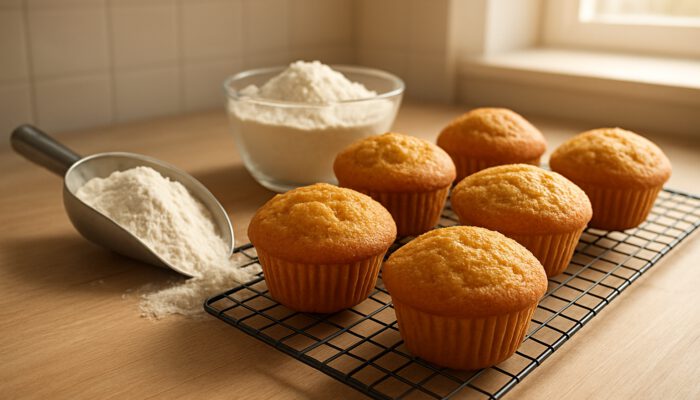
Understanding protein ratios is essential when incorporating protein powder into your baking. Selecting the right amount ensures your baked treats maintain their structure while achieving optimal nutritional balance. Too much protein can result in dense, heavy baked goods, whereas too little may compromise their health benefits. A useful guideline is to substitute around 25% of the flour in your recipe with protein powder. This strategy boosts the nutritional value without sacrificing texture, allowing you to indulge in healthier treats guilt-free.
The type of protein powder you choose can dramatically influence the texture of your baked goods. For instance, whey protein tends to create a lighter, fluffier texture, while plant-based proteins often yield denser results. Understanding these differences will help you strike the right balance in your recipes. Always consider the specific protein powder you are using and how it interacts with other ingredients, as this can significantly affect the finished product.
It’s vital to acknowledge that the protein content in your baked goods impacts their overall nutritional profile. For those aiming to increase their protein intake, carefully adjusting these ratios can lead to healthier treats that do not compromise on flavour or enjoyment. This intentional approach enables you to create baked goods that are not only tasty but also supportive of your health goals.
Best Mixing Techniques for Even Distribution of Protein Powder
To achieve baking excellence, it’s crucial to mix protein powder thoroughly with your dry ingredients before introducing any wet components. This important step prevents clumping and guarantees an even distribution of protein throughout your batter or dough. Tools like a whisk or sifter can be particularly effective in breaking up lumps and creating a smooth, uniform mixture.
Pay attention to the sequence of ingredients while mixing. Begin by combining the protein powder with other dry ingredients, such as flour, baking powder, and salt. When you’ve created a consistent mixture, gradually add your wet ingredients, such as eggs or milk. This method promotes uniformity and enhances the overall texture of your baked goods, leading to a more enjoyable eating experience.
Feel free to experiment with different mixing techniques, such as folding or creaming, depending on your recipe. Each method can yield distinct results, so finding the right technique for your specific baked goods can elevate both flavour and texture, making your creations truly irresistible.
Optimal Practices for Storing Protein Powder
Proper storage of protein powder is crucial for preserving its freshness and quality. After opening, transfer any unused protein powder into an airtight container to protect it from moisture and air exposure. This practice helps maintain its nutritional value and prevents clumping, ensuring it remains convenient for your future baking endeavors.
Store this container in a cool, dry area, such as a pantry or cupboard, away from direct sunlight. Avoid placing protein powder in humid environments, as moisture can lead to spoilage or undesirable textural changes. If you buy protein powder in bulk, consider dividing it into smaller portions to minimise air exposure with each use, thereby extending its shelf life.
Always check the expiration date on your protein powder packaging. Consuming expired protein can undermine the quality of your baked goods and may pose health risks. Following these storage guidelines allows you to enjoy the benefits of protein powder in your baking for months to come, ensuring your treats are both delicious and nutritious.
What Health Advantages Can You Gain from Baking with Protein Powder?
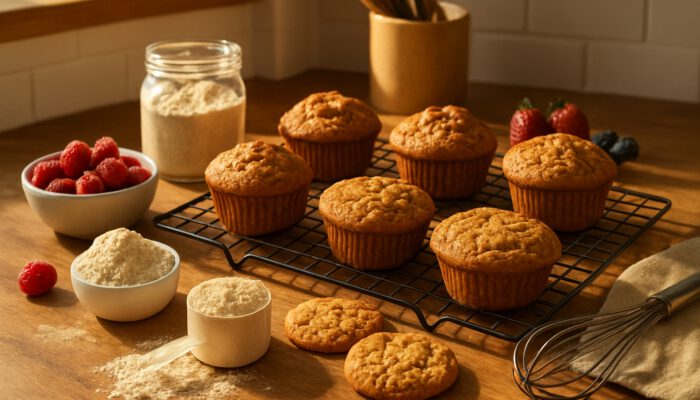
What Is the Ideal Amount of Protein for Each Serving?
Determining the right quantity of protein powder for your baking is essential to ensure each serving provides significant nutrition. Aiming for 10-20 grams of protein per serving is generally a good target, which can vary based on the recipe size and your dietary goals. This protein range enhances the nutritional profile without dramatically altering the flavour or texture of your baked goods.
For example, if you’re preparing a batch of muffins that yields 12 servings, adding 1-2 scoops of protein powder can deliver a substantial protein boost. It’s crucial to observe how the texture changes with added protein, as you may need to adjust other ingredients, such as liquids or fats, to maintain the desired consistency. Striking this balance is key to achieving the perfect baked product.
Balancing protein with other macronutrients is essential for creating a well-rounded treat. Incorporating healthy fats and carbohydrates alongside protein can promote sustained energy levels and enhance overall satisfaction. By carefully calculating your protein inclusions, you can craft delightful baked goods that align perfectly with your nutritional goals, ensuring each bite is both fulfilling and pleasurable.
Evaluating Different Protein Powder Varieties for Baking Success
Not all protein powders are created equal, and selecting the right type can significantly influence your baking results. For example, whey protein, derived from milk, is renowned for its excellent amino acid profile, providing a light and fluffy texture in baked goods. It’s a preferred choice for those wishing to increase their protein intake without altering the flavour significantly.
Conversely, plant-based proteins such as pea, rice, or hemp protein serve as fantastic alternatives for individuals with dietary restrictions or preferences. These options can introduce unique flavours and textures into your recipes, although they may necessitate adjustments in ratios and baking techniques to achieve optimal results. For instance, plant proteins often absorb more moisture, requiring an increase in the liquid content of your batter.
Ultimately, your choice of protein powder should align with your dietary needs and taste preferences. Exploring various types can lead to exciting discoveries in your baking. Each variety offers its unique set of benefits, allowing you to tailor recipes effectively to meet your nutritional aspirations while enhancing the overall enjoyment of your baked goods.
Key Benefits of Regular Protein Consumption for Overall Wellness

Incorporating protein powder into your baking can provide numerous health benefits essential for overall wellness. Here are some key advantages of daily protein intake:
- Facilitates muscle recovery and growth following physical activity.
- Aids in maintaining a healthy weight by promoting satiety.
- Supports sustained energy levels throughout the day.
- Contributes to tissue repair and enzyme synthesis.
- May enhance metabolic rate and assist with fat loss.
- Delivers essential amino acids vital for overall well-being.
- Boosts immune function and hormone production.
- Enhances skin, hair, and nail health.
These benefits highlight the importance of protein in a balanced diet, especially for individuals with active lifestyles or specific health objectives. By baking with protein powder, you can seamlessly integrate these advantages into your daily routine while enjoying delicious treats that positively contribute to your health.
Expert Tips on Incorporating Protein Powder in Baking
How to Balance Flavours in Your Baked Goods Effectively
Achieving a harmonious flavour balance when baking with protein powder is crucial for a delightful final product. Certain protein powders, particularly those with potent flavours like chocolate or vanilla, can enhance the overall taste of your baked goods, while others may leave an aftertaste that detracts from the overall experience. Seasoned bakers often recommend testing small batches first to refine sweetness and flavour profiles.
A practical strategy is to start with a trusted base recipe and gradually incorporate the protein powder, tasting along the way. This method allows you to adjust sugar or other flavourings as needed, ensuring the final product remains enjoyable. Consider adding complementary ingredients, such as spices or extracts, to enrich the overall flavour and create a more complex tasting experience.
If a particular protein powder results in an undesirable aftertaste, consider masking it with other ingredients. For example, adding cocoa powder or nut butters can help achieve a more balanced flavour profile, making your baked goods nutritious yet delectable and satisfying.
Helpful Tips for Beginners When Baking with Protein Powder
For those new to baking with protein powder, starting with straightforward, reliable recipes can simplify the learning process. Begin with a basic recipe, such as pancakes or muffins, and gradually increase the amount of protein powder while observing the effects on texture and flavour. This gradual approach builds confidence and enhances your understanding of how protein powder interacts with other ingredients in your recipes.
Be mindful of moisture levels in your batter or dough, as protein powder can absorb more liquid than standard flour. If your mixture becomes too thick, consider adding extra liquids, such as milk or water, to achieve the desired consistency. This adjustment will promote a light and fluffy texture in your baked goods, enhancing their overall enjoyment.
Don’t hesitate to explore different types of protein powders and flavourings. Each variety can produce unique results, and finding the right combination can lead to exciting new discoveries on your baking journey. Remember, practice leads to mastery; embrace the learning process and savour the delicious outcomes that arise from your experimentation.
Real-World Examples of Successful Protein Powder Adaptations
Culinary test kitchens around the globe have successfully adapted a multitude of recipes to include protein powder, showcasing its versatility in baking. For instance, a popular test kitchen recently shared a recipe for protein-packed banana bread, replacing half of the flour with whey protein. The result was a moist, flavourful loaf that retained its classic taste while significantly boosting its nutritional profile.
Another notable example comes from a renowned baking blog where the author experimented with incorporating pea protein into chocolate chip cookies. These cookies not only maintained their chewy texture but also offered an extra protein boost, transforming them into a more satisfying treat. Such real-life adaptations demonstrate that with a touch of creativity, protein powder can seamlessly blend into traditional recipes, enhancing them nutritionally and flavour-wise.
Many bakeries and cafes now offer protein-enhanced versions of classic baked goods, such as muffins and brownies. These establishments often highlight the nutritional benefits, attracting health-conscious customers. By learning from these successful adaptations and examples, home bakers can confidently experiment with protein powder in their kitchens, transforming their baking into a healthier pursuit.
Understanding Protein Powder’s Impact on Baking Times
Baking with protein powder can influence the baking times and temperatures of your recipes. A general recommendation is to slightly lower oven temperatures and extend baking durations to prevent protein powders from drying out your cakes and muffins. This adjustment helps ensure that your baked goods stay moist and tender while cooking through properly, delivering the best texture and flavour.
Monitoring the doneness of your baked creations becomes crucial when using protein powder. Traditional visual cues, such as achieving a golden-brown colour or performing a clean toothpick test, may not always apply. Instead, gently pressing down on the tops of your cakes or muffins can help you assess their readiness. If they spring back, they are likely done, even if they don’t exhibit the usual browning.
Higher protein content can result in quicker moisture loss during baking, which may lead to overbaking if you aren’t vigilant. Keep a close eye on your creations and be prepared to adjust baking times based on the specific protein powder used and the overall density of your mixture. This attentiveness will ensure consistently delightful results in your baking efforts.
How Does Protein Powder Influence Baking Techniques and Times?
Adjusting Oven Temperatures for Optimal Baking Results
When adding protein powder to your baking, slightly reducing the oven temperature can be beneficial. Lowering the temperature helps prevent over-browning at the edges while ensuring that denser mixtures cook through properly. This adjustment is particularly important for recipes containing substantial amounts of protein powder, as they may require extra time to bake evenly.
For instance, if a recipe specifies a baking temperature of 180°C, consider lowering it to approximately 160°C. This change allows for a more gradual cooking process, leading to a moist and tender final product. Extending the baking duration can compensate for the lower temperature, ensuring that your baked goods are fully cooked without becoming dry.
Monitor the baking process closely when making these adjustments. Every oven operates differently, and factors such as altitude and humidity can also impact baking times. Keeping a careful watch on your creations will help you achieve the perfect balance between doneness and moisture, resulting in consistently satisfying outcomes.
Simple Methods for Assessing Baking Doneness
Determining the doneness of baked goods made with protein powder requires some adjustments to traditional testing methods. While the classic toothpick test remains a useful indicator, it’s essential to recognise that protein-rich mixtures may not provide the same visual cues as standard recipes. Instead, focus on tactile feedback when assessing readiness.
Gently pressing the tops of your cakes or muffins can provide valuable information regarding their doneness. If they spring back and feel firm, they are likely ready to be removed from the oven. Look for slight cracks on the surface, which can indicate that the baked goods are thoroughly cooked and ready for cooling.
Keep in mind that different types of protein powders can affect baking times and textures. For example, Whey protein may yield a lighter texture, while plant-based proteins can result in denser outcomes. Tailor your testing methods accordingly to ensure consistent results across various recipes, allowing you to bake with confidence.
Identifying Signs of Overbaking in Your Creations
When baking with protein powder, certain indicators can signal potential overbaking. One common issue is excessive cracking on the surface of your baked goods. While some cracks are normal, deep fissures can indicate that the mixture has dried out too much during the baking process, compromising texture.
Another sign to be aware of is dryness, which can manifest as a crumbly texture or lack of moisture in the final product. Higher protein content can accelerate moisture loss, making it crucial to monitor your creations closely. If you notice these signs, consider adjusting baking times or temperatures in future attempts to achieve better results.
Observe the colour of your baked goods as well. If they appear overly dark or burnt around the edges, it may be time to lower the baking temperature or shorten the cooking time. By remaining observant and responsive to these indicators, you can ensure that your baked goods stay moist and enjoyable, even when using protein powders.
Proven Techniques for Cooking with Protein Powder in Baking
Efficient Mixing Sequences for Superior Baking Outcomes
Utilising a specific mixing order can significantly enhance the quality of your baked goods when using protein powder. Consider these effective strategies for optimal results:
- Begin by combining dry ingredients, including protein powder, flour, and leavening agents.
- Whisk thoroughly to break up clumps and ensure even distribution.
- Gradually add wet ingredients, mixing until just combined.
- Add any additional flavourings or mix-ins at the very end.
This sequence helps hydrate the protein powder gradually, resulting in smoother batters and a superior crumb structure in your finished loaves or muffins. By prioritising the order of your ingredients, you can achieve better results and enjoy the benefits of protein powder in your baking.
Exploring different mixing techniques can also yield interesting outcomes. For instance, try folding in egg whites to create a lighter texture in your baked goods. Each method can contribute to the overall quality and enjoyment of your creations, so don’t hesitate to experiment with new approaches to mixing.
Remember that practice is essential. As you become more familiar with the mixing orders and techniques, you’ll gain a better understanding of how protein powder impacts your baking. This knowledge will empower you to create delicious, nutritious treats with confidence and creativity.
Understanding Raising Agents and Their Importance
When incorporating protein powder into your baked goods, it’s vital to consider the role of raising agents. Protein-rich mixtures can be denser than traditional recipes, making it essential to combine protein with additional leavening agents for achieving light and satisfying results. Common raising agents include baking powder, baking soda, and yeast, each contributing to the overall texture of your baked creations.
Adjusting the quantity of leavening agents can help offset the density introduced by protein powder. For instance, if a recipe typically calls for one teaspoon of baking powder, consider increasing it slightly to ensure proper rising. This adjustment will help create a lighter texture while still benefiting from the nutritional boost of protein.
Be mindful of how protein powder interacts with other ingredients. Some protein powders may require additional moisture or fat to achieve the desired consistency, which can also affect the efficacy of your raising agents. By understanding these relationships, you can fine-tune your recipes for optimal results, resulting in delicious baked goods.
Practical Steps for Scaling Recipes with Protein Powder
Scaling recipes when baking with protein powder requires careful consideration to maintain the desired texture and flavour. Start by multiplying the ingredients proportionately, ensuring you maintain the same ratios as the original recipe. This approach preserves the overall balance of flavours and textures, leading to a successful outcome.
As you scale up, recalculating liquids is particularly important. Protein powder can absorb more moisture than traditional flour, so increasing the liquid content is necessary to maintain the desired batter consistency. Begin by adding a small amount of extra liquid, then adjust as needed until you achieve the right texture that is neither too thick nor too runny.
Keep in mind that baking times may also vary when scaling recipes. Larger quantities might require longer cooking times, while smaller batches could bake more quickly. Monitor your creations closely, using tactile tests and visual cues to determine doneness. By implementing these practical steps, you can confidently scale your recipes while still enjoying the benefits of protein powder in your baking.
Which Substitutions Work Best When Baking with Protein Powder?
How to Replace Traditional Flours Without Sacrificing Structure
When baking with protein powder, replacing traditional flours without compromising the structure of your baked goods is entirely feasible. Combining protein powder with alternative flours, such as almond or oat flour, can enhance nutrition while maintaining a familiar texture. These alternatives can introduce unique flavours and characteristics to your recipes, making them more enjoyable and appealing.
For instance, using almond flour alongside protein powder can create a moist, dense texture in baked goods like cakes and muffins. The healthy fats found in almond flour can help counterbalance any dryness that may result from using protein powder. Similarly, oat flour can add subtle sweetness and chewiness to your creations, making it an excellent choice for cookies and bars.
When making substitutions, consider the absorption properties of the alternative flours. Some flours, like coconut flour, absorb more moisture than others, necessitating an adjustment to the liquid content in your recipe. By experimenting with different combinations, you can discover the perfect balance that caters to your taste and nutritional needs, leading to successful baking experiences.
Liquid Adjustments for Optimal Batter Consistency
When substituting flours in your recipes, making corresponding liquid adjustments is crucial for maintaining optimal batter consistency. Here are some common liquid adjustments to consider when incorporating protein powder:
- Increase milk or water by 10-15% when using protein powder with almond flour.
- Add yogurt or applesauce for moisture and flavour enhancement.
- Incorporate additional eggs to improve structure and moisture retention.
- Utilise nut milk alternatives for added flavour and creaminess.
These adjustments help offset the absorption rates of different flours, ensuring that your batter remains well-balanced. By making these changes, you can achieve the desired texture and flavour in your baked goods while enjoying the nutritional benefits of protein powder.
Exploring different liquids can also lead to exciting new flavour profiles. Don’t hesitate to experiment with options like coconut milk or buttermilk, which can enhance the overall taste of your creations while beautifully complementing the protein powder.
Discovering Natural Sweeteners to Elevate Your Baking
When baking with protein powder, selecting the right sweeteners can enhance the flavour of your treats without compromising the functionality of the protein. Natural sweeteners such as honey, maple syrup, or stevia blends can complement the taste of your baked goods while offering additional health benefits.
Honey is a popular choice due to its rich flavour and moisture-retaining properties. It can add delightful sweetness to recipes like muffins and pancakes, improving both taste and texture. Maple syrup, on the other hand, provides a unique flavour profile, making it a fantastic addition to baked goods like oatmeal cookies or granola bars, enhancing their overall appeal.
Stevia blends can serve as an excellent alternative for those looking to reduce sugar intake. These sweeteners offer sweetness without added calories, making them suitable for various dietary needs. When using stevia, it’s important to adjust the quantity, as it is significantly sweeter than traditional sugar.
By exploring these natural sweeteners, you can create delectable baked goods that align with your health goals while satisfying your sweet cravings. Experimenting with different combinations can lead to delightful discoveries during your baking journey, allowing you to enjoy your favourite treats without guilt.
Troubleshooting Common Issues When Baking with Protein Powder
How to Fix Dense or Heavy Textures in Baked Goods
Dense or heavy textures in baked goods made with protein powder can be a frequent challenge. If your creations lack lightness, consider increasing the number of eggs in your recipe. Eggs provide structure and moisture, contributing to a lighter overall texture in your baked goods, enhancing their appeal and enjoyment.
Adding extra leavening agents, such as baking powder or baking soda, can also assist in achieving a lighter result. These leavening agents create air pockets in the batter, leading to a fluffier texture. Be cautious not to overdo it, as excessive leavening can lead to undesirable results and impact the overall quality of your baked goods.
Ensure that you mix the batter properly. Overmixing can lead to dense baked goods, so aim for just combined when incorporating your ingredients. By making these adjustments, you can enhance the texture of your baked goods and enjoy a lighter, more satisfying final product that delights your taste buds.
Strategies for Resolving Unexpected Dryness in Your Baked Goods
If your baked goods turn out unexpectedly dry, several strategies can help restore moisture balance and improve their texture. One effective method is to incorporate additional fats into your recipes. Adding ingredients like butter, coconut oil, or nut butters can help improve moisture levels while enhancing flavour, resulting in a more enjoyable eating experience.
Including fruits or vegetables in your batter is another useful option. Ingredients like mashed bananas, applesauce, or grated zucchini can introduce natural moisture and sweetness, making your baked goods more enjoyable. These additions not only improve texture but also enhance the overall nutritional profile of your creations, making them healthier.
Lastly, consider adjusting your baking times and temperatures. If your baked goods consistently dry out, lowering the oven temperature or reducing the baking duration can help retain moisture. By implementing these strategies, you can overcome dryness challenges and create delicious, moist treats every time you bake.
How to Avoid Aftertaste in Your Baked Goods
An aftertaste from protein powder can detract from the overall enjoyment of your baked creations. To avoid this issue, consider starting with unflavoured or vanilla varieties of protein powder. These options typically have a milder taste, making them easier to incorporate into various recipes without overpowering other flavours.
If you encounter an aftertaste, don’t hesitate to mask it with complementary ingredients. For example, cocoa powder can effectively counteract any undesirable flavours, especially in chocolate-based recipes. Spices like cinnamon or nutmeg can also enhance the overall taste while concealing any lingering aftertaste from the protein powder, creating a more pleasurable product.
Experimenting with various brands and types of protein powder can help you find one that aligns with your taste preferences. Each variety can produce different flavours, so exploring various options may lead to a more enjoyable baking experience. By being mindful of these factors, you can create delightful treats that are both nutritious and flavourful, ensuring that your baking is a joy.
How to Correct Burnt Edges or Overbrowning in Your Baked Goods
Burnt edges or overbrowning can be frustrating when baking with protein powder. To prevent this issue, consider lowering your oven temperature. This adjustment helps ensure that the centre of your baked goods cooks through thoroughly without overbrowning the edges, leading to a more balanced and appealing final product.
Another effective strategy is to reposition your baking trays halfway through the cooking process. Rotating trays can promote even heat distribution throughout your baked goods, reducing the risk of burnt edges while maintaining the overall quality and enjoyment of your creations.
Consider using parchment paper or silicone baking mats to line your baking trays. These materials can help prevent sticking and encourage even cooking, further reducing the chances of overbrowning. By implementing these strategies, you can achieve consistently delightful results in your baking while minimising the risk of burnt edges, ensuring your treats are both beautiful and delicious.
Frequently Asked Questions About Baking with Protein Powder
Can I incorporate protein powder into any baking recipe?
Yes, protein powder can be added to many baking recipes. Adjustments may be necessary regarding ratios, moisture, and mixing techniques to ensure optimal results while maintaining the desired texture and flavour.
How much protein powder should I incorporate into my recipes?
A general guideline is to substitute about 25% of the flour with protein powder. This allows for a nutritious boost without significantly altering the taste or texture of your baked goods, ensuring they remain enjoyable and satisfying.
Will protein powder alter the flavour of my baked goods?
Some protein powders may impart a distinct flavour, while others are more neutral. Experimenting with different types can help you find the best fit for your recipes, enabling you to produce delicious baked goods that align with your taste preferences.
Can I use plant-based protein powder in baking?
Absolutely! Plant-based protein powders, such as pea or rice protein, can be effectively used in baking. Just be mindful of their moisture absorption properties and adjust liquids accordingly to achieve the desired consistency in your batters.
How can I prevent my baked goods from becoming dry?
To prevent dryness, consider incorporating more fats, fruits, or adjusting baking times and temperatures. Including these elements can help maintain moisture levels, ensuring your baked goods remain delicious and enjoyable.
Is it necessary to adjust baking times when using protein powder?
Yes, baking times may need to be modified when using protein powder. Lowering the temperature and extending baking times can help achieve optimal results while ensuring your baked goods are fully cooked without becoming dry or tough.
What are the best types of protein powder for baking?
Whey protein is popular for its light texture, while plant-based proteins like pea or hemp offer unique flavours that can enhance your baked goods. Experimenting with different types can yield delightful results and cater to your dietary preferences.
Can I use protein powder in gluten-free baking?
Yes, protein powder can be used in gluten-free baking. Pair it with gluten-free flours to boost nutrition and texture in your baked goods, allowing you to enjoy delicious treats that meet your dietary needs.
How should I store protein powder for baking?
Store protein powder in an airtight container in a cool, dry place. This practice helps maintain freshness and prevents clumping, ensuring you can use it effectively for future baking sessions without any issues.
Can I use protein powder in desserts like cookies and cakes?
Yes, protein powder can be used in cookies, cakes, and other desserts. Just ensure to adjust ratios and liquids to achieve the desired texture and flavour, creating delicious treats that are both nutritious and satisfying.
Check out our Facebook profile, mate!
The post cooking with protein powder in baking: Tasty Recipe Ideas appeared first on https://cookinggods.com
The Article Protein Powder in Baking: Delicious Recipe Ideas Was Found On https://limitsofstrategy.com