Supporting Your Pet Through Household Changes During Back-to-School Season
Recognising Changes in Your Pet’s Behaviour
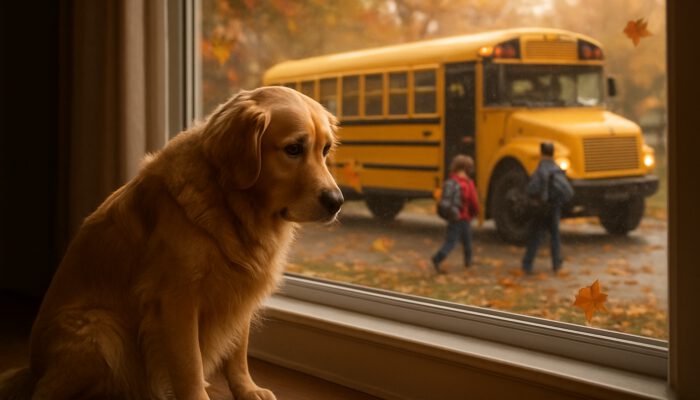
As the school year begins and seasons change, pets might exhibit subtle signs of stress or anxiety. It is crucial for pet owners to be vigilant about any changes in their pets’ daily behaviours, which may include alterations in eating habits or heightened vocalisation. Such shifts may suggest that pets are finding it challenging to adapt to new household dynamics. By closely monitoring these changes over several days, owners can gather vital information about their pets’ emotional well-being and specific needs.
Observing your pet’s reactions closely allows for timely interventions that can enhance their comfort. For example, if a dog suddenly stops eating or a cat becomes more vocal, these behaviours may indicate a need for adjustments. By recognising these signals, owners can identify the sources of their pets’ stress and foster a more supportive environment at home. Proactive observation is essential in tackling issues before they escalate, facilitating a smoother transition for both pets and their families.
Patience is key during this adjustment phase. Gradually introducing changes while remaining aware of your pet’s emotional responses can help build their confidence. As families adapt to new school routines, spending time understanding and addressing these behavioural shifts can provide pets with a sense of security, making the adjustment process significantly easier.
Establishing Safe Spaces for Your Pets
Creating designated quiet spaces within your home is vital for ensuring pets feel secure as new schedules are adopted. These safe zones serve as retreats where pets can escape the hustle and bustle of family life, particularly during hectic mornings and evenings. By providing these calm areas, free from distractions, pets can acclimatise to changes at their own pace.
It is important to furnish these spaces with familiar bedding, toys, and comforting items. This sense of familiarity helps pets associate their safe zones with relaxation and comfort. As pets become more accustomed to their surroundings, owners can gently encourage exploration of other areas in the home. Keeping an eye on your pet’s comfort level in these designated safe zones offers valuable insights into their adjustment process, allowing for further modifications if needed.
Over time, these safe spaces become essential for maintaining your pet’s emotional well-being. They provide a refuge during stressful moments and help pets develop a sense of stability amid household changes. As the family adjusts to a new routine, ensuring that pets have access to these secure areas will facilitate a smoother transition.
What Causes Sudden Withdrawal in Pets?
Sudden withdrawal behaviours in pets, like hiding or reduced social interaction, often stem from disrupted familiarity. When routines change, pets may feel uncertain about their role within the family, leading to behaviours such as retreating to secluded spots or avoiding human contact. Understanding the underlying causes of these behaviours is essential for helping pets regain their confidence.
To help restore a pet’s sense of security, owners should gradually introduce consistent cues. This may involve maintaining familiar routines during the transition, such as sticking to regular feeding times and play sessions. Slowly reintroducing enjoyable activities can help pets feel more at ease and engaged. Allowing pets to adjust at their own pace is crucial.
Pets generally respond positively to reinforcement when they show signs of comfort and engagement. Rewarding them with treats or praise for exploring their environment encourages them to venture out of their shells. By understanding the reasons behind sudden withdrawal and applying supportive strategies, owners can effectively assist their pets in adapting to the back-to-school changes.
Creating a Comfortable Home Environment for Your Pet
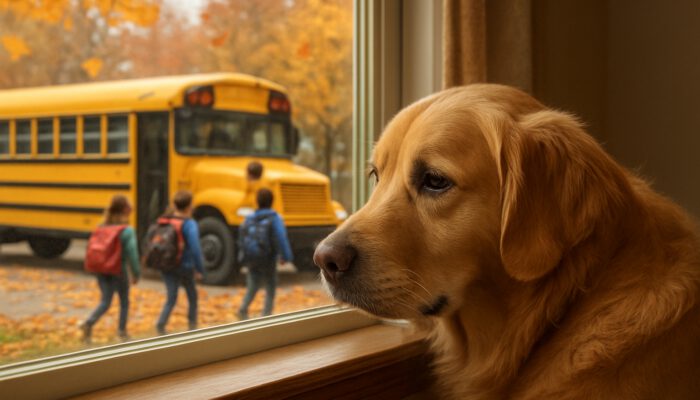
Selecting Ideal Resting Areas for Your Pet
Choosing suitable locations for your pet’s resting areas is essential during their adjustment phase. Low-traffic areas of the home, away from the chaos of family activities, create a serene environment for pets to relax. These spots should be easily accessible yet shielded from distractions, allowing pets to feel secure as they adapt to new household dynamics.
Incorporating familiar bedding and toys into these resting spaces enhances comfort further. Pets thrive in environments that feel secure and recognisable. By creating a cosy nook filled with their favourite items, owners can help pets associate these areas with positive experiences, alleviating anxiety during the transition. This familiarity is crucial for fostering stability as routines evolve.
Owners should also consider environmental factors that influence their pets’ comfort. Ensuring resting areas are well-ventilated and free from harsh lighting contributes to a calming atmosphere. By thoughtfully selecting ideal locations for pets to retreat, owners can significantly ease their pets’ adjustment process and promote a sense of tranquillity within the household.
Using Familiar Items to Alleviate Anxiety
Maintaining continuity during transitions is vital for pets, and incorporating familiar items into their environment can greatly reduce anxiety. Objects like toys, blankets, or even clothing with the owner’s scent provide comfort and reassurance. These sensory connections help pets feel grounded amid the changes occurring within the household, facilitating a smoother adjustment process.
When establishing new routines, placing these familiar items in designated safe zones creates a positive association for pets. For instance, a beloved blanket in their resting area signals that it is a safe haven. This sense of familiarity can help mitigate anxiety and encourage pets to engage with their surroundings more confidently.
Rotating these familiar objects can keep the environment stimulating while still offering comfort. This strategy allows pets to experience new textures and scents without losing the security of their cherished belongings. By thoughtfully integrating familiar items into their pets’ spaces, owners can create a sense of continuity that supports emotional well-being during the back-to-school adjustment.
- Reduces anxiety by providing comfort.
- Enhances familiarity in changing environments.
- Encourages positive associations with safe spaces.
- Promotes emotional stability during transitions.
How Do Changes in Routine Impact Pets?
Scheduling New Activities to Reduce Confusion
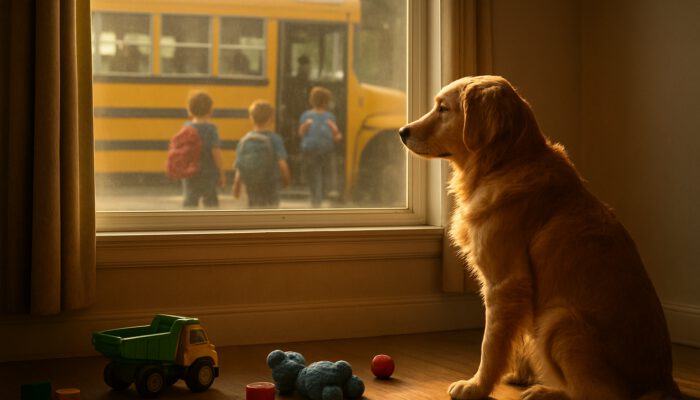
Aligning new activities with updated family schedules is essential for minimising confusion among pets. Predictable patterns help pets adapt smoothly to changes, significantly lowering overall stress levels. Establishing a consistent routine for walks, playtime, and feeding allows pets to know what to expect, fostering a sense of security as they navigate the back-to-school transition.
Incorporating these activities into a structured schedule allows pets to develop a rhythm that matches their owners’ new routines. For instance, if the family now has earlier mornings, adjusting the timing of walks or play sessions accordingly can prevent confusion. This predictability not only alleviates anxiety but also strengthens the bond between pets and their owners, as pets learn to anticipate quality time together.
Maintaining consistency in timing reinforces behavioural expectations. When pets know when to expect their daily activities, they are less likely to exhibit stress-related behaviours. By carefully timing new activities in accordance with family schedules, owners can create a harmonious environment that supports their pets’ emotional well-being during this transitional phase.
Gradually Adjusting Feeding Times for Your Pet’s Comfort
Implementing gradual changes to meal schedules is vital for helping pets transition to new routines. Sudden alterations in feeding times can lead to digestive issues and confusion, especially if pets are accustomed to a specific schedule. By making gradual adjustments, owners can reinforce new expectations while ensuring their pets remain comfortable and healthy during this adjustment period.
For example, if school hours affect the availability of family members to feed pets, owners should slowly shift feeding times by 15 to 30 minutes each day. This gradual adjustment enables pets to acclimatise to the new schedule without undue stress. Consistency in feeding times helps pets feel secure as they learn to anticipate their meals.
It is important to observe pets’ reactions to these changes. Noticing any shifts in appetite or behaviour during the adjustment period can provide valuable insights into their comfort levels. If a pet shows signs of anxiety or refuses to eat, owners may need to reassess their approach and make further changes. By managing feeding times thoughtfully, owners can promote their pets’ health and well-being throughout the back-to-school transition.
Monitoring Changes in Sleep Patterns
Tracking alterations in a pet’s sleep patterns serves as an effective way to evaluate their adjustment to new routines. Disruptions in daily life can lead to changes in sleep habits, which may signal ongoing issues or successful adaptations. By observing how pets respond to the new schedules, owners can identify potential problems early and implement timely interventions.
For instance, if a pet begins sleeping excessively or appears restless at night, these changes could indicate stress or discomfort. Owners should keep track of these patterns and consider whether adjustments to the environment or routine may help. Establishing a calming bedtime routine can also enhance sleep quality, helping pets feel more secure in their new circumstances.
Regularly monitoring sleep patterns aids in identifying necessary adjustments and fosters a deeper understanding of pets’ overall well-being. By ensuring that pets receive adequate rest, owners can help them maintain their health and resilience during transitional periods. This proactive approach will contribute to a smoother adjustment as families adapt to their back-to-school routines.
Expert Insights on Supporting Pets Through Back-to-School Changes
Assessing Your Pet’s Unique Emotional Needs
Understanding your pet’s temperament is crucial for recognising their specific needs during the back-to-school adjustment. Each pet is unique, and factors such as age, breed, and personality significantly influence their responses to routine changes. Owners should take the time to observe their pets closely, noting specific behaviours or preferences that can inform their approach.
One effective way to assess individual needs is by maintaining a journal of daily observations. Documenting changes in behaviour, appetite, and energy levels can help owners identify patterns and tailor their strategies accordingly. For instance, some pets thrive on structured routines, while others may require more flexibility. This personalised method ensures that each pet receives the support necessary for successful adaptation.
Consulting with professionals, such as veterinarians or animal behaviourists, provides valuable insights into a pet’s specific requirements. These experts can offer tailored advice based on individual assessments, helping owners implement strategies that align with their pets’ unique temperaments. By prioritising individual needs, owners can create a nurturing environment that facilitates a smoother back-to-school transition for their pets.
- Customised strategies enhance comfort.
- Identifying behavioural patterns aids in adjustment.
- Expert guidance offers tailored support.
- Understanding individual needs fosters emotional well-being.
Implementing Effective Adjustment Techniques
Behaviour specialists often recommend proven techniques to ease the back-to-school adjustment for pets. These methods focus on creating a supportive environment that promotes emotional security. For example, establishing a consistent daily routine can help pets feel more at ease as they navigate changes in household dynamics.
One effective technique involves gradual desensitisation to new schedules. This means slowly introducing pets to the changes they will experience, such as leaving them alone for short periods before gradually increasing the duration. This approach helps pets build confidence and reduces anxiety, facilitating a smoother transition.
Real-world examples of successful transitions can provide additional insights. Many pet owners have discovered that incorporating training sessions during the adjustment period can reinforce positive behaviours. Engaging pets in mentally stimulating activities, such as puzzle toys or interactive games, can keep them occupied and alleviate stress. By applying these effective techniques, owners can support their pets’ emotional well-being and facilitate a successful adjustment to back-to-school routines.
Effectively Managing Separation Anxiety in Pets
Separation anxiety is a common challenge during back-to-school transitions, as pets may struggle with their owners being away for extended periods. Behaviour specialists recommend various effective strategies to manage this issue. Creating consistent daily schedules is essential, as it helps pets understand when to expect their owners’ return, reducing uncertainty.
Incorporating calming aids, such as anxiety wraps or pheromone diffusers, can provide comfort to pets during these transitions. These products help create a soothing environment that alleviates stress and encourages relaxation. Positive reinforcement training can also play a significant role in helping pets feel secure. Rewarding pets for calm behaviour when left alone reinforces their confidence and encourages independence.
Patience and understanding are key during this process. Gradually increasing the time spent apart can help pets adjust to longer separations without feeling overwhelmed. By addressing separation anxiety with these strategies, owners can support their pets’ emotional health and cultivate a sense of security during the back-to-school adjustment.
Adjusting Nutrition to Help Manage Stress
Veterinary nutritionists emphasise the importance of modifying pet diets during transitional periods to aid in stress management. Nutritional changes can significantly lessen anxiety symptoms associated with routine disruptions. Incorporating supplements rich in omega-3 fatty acids and antioxidants can enhance cognitive function and emotional well-being in pets.
For instance, omega-3 fatty acids have been shown to reduce anxiety and promote overall brain health. Foods containing these nutrients, such as fish oil or flaxseed, can be beneficial for pets facing stress. Including antioxidant-rich fruits and vegetables can further support a pet’s immune system, helping them cope with the physical effects of stress.
Owners should consult their veterinarians to determine the best dietary adjustments for their pets. Tailoring nutrition to individual needs ensures that pets receive the necessary support during transitions. By prioritising nutritional adjustments, owners can help their pets manage stress effectively and promote overall well-being during the back-to-school adjustment.
What Challenges Do Pets Face During Transition Periods?
Addressing Separation Anxiety
Separation anxiety ranks among the most prevalent challenges pets face during back-to-school transitions. Recognising clingy behaviours early is vital for implementing effective strategies. Pets may exhibit signs of distress, such as excessive barking or following their owners around the house. Addressing these behaviours promptly can help prevent them from escalating into more significant concerns.
Desensitisation exercises can be beneficial in fostering a pet’s independence. Gradually increasing the time spent apart from pets helps them adjust to longer periods of separation. For instance, starting with brief absences and gradually extending them teaches pets that their owners will return, alleviating anxiety over time. Consistency in these practices is critical for building confidence in pets.
Utilising interactive toys or puzzle feeders can keep pets engaged during their owners’ absences. These activities not only provide mental stimulation but also help alleviate boredom, reducing the likelihood of anxious behaviours. By proactively addressing separation anxiety, owners can support their pets’ emotional well-being and facilitate a smoother transition during the back-to-school period.
Managing Increased Vocalisation in Pets
Increased vocalisation represents another common adjustment challenge for pets during back-to-school transitions. Understanding the triggers behind excessive barking or meowing is essential for implementing effective calming strategies. Pets may vocalise more due to anxiety, boredom, or a need for attention. Identifying the root causes enables owners to address these behaviours without unintentionally reinforcing unwanted habits.
One effective strategy is to provide pets with engaging activities that occupy their attention. Interactive toys, training sessions, or simple puzzle games can redirect their energy and reduce vocalisation. Establishing a consistent routine for playtime and interaction can also help pets feel more secure, minimising their need to vocalise for attention.
It’s important to respond to vocalisation appropriately. Ignoring attention-seeking vocalisation while rewarding quiet behaviour can reinforce the desired calmness. By understanding the triggers behind increased vocalisation and implementing targeted strategies, owners can help their pets adjust more smoothly to the changes associated with the back-to-school season.
Navigating Variations in Energy Levels
Pets may experience fluctuations in energy levels during the back-to-school adjustment. Balancing periods of high and low activity is essential for maintaining their health and well-being. Pets might exhibit bursts of energy when their owners are home, followed by lethargy during absences. Recognising these patterns allows owners to provide appropriate outlets for their pets’ natural behaviours.
To manage these energy fluctuations, owners should incorporate structured playtime and exercise into their pets’ routines. Regular walks, play sessions, and interactive games can help channel excess energy productively. Providing mental stimulation through training activities or puzzle toys keeps pets engaged and prevents boredom.
Monitoring pets’ energy levels is crucial for ensuring their overall health. If a pet shows signs of excessive lethargy or hyperactivity, it may indicate underlying issues that require attention. By balancing activity levels and providing suitable outlets for energy, owners can support their pets’ well-being during the back-to-school transition.
Effective Strategies for Supporting Pets’ Back-to-School Adjustment
Creating Enrichment Plans for Mental Stimulation
Designing enrichment plans is a powerful strategy for keeping pets mentally stimulated during back-to-school transitions. Engaging pets in interactive activities can alleviate boredom and anxiety when owners are away. Puzzle toys, treat-dispensing games, and training exercises serve as excellent options for providing mental stimulation while reinforcing positive behaviours.
For example, puzzle toys that require pets to solve challenges for treats can keep them occupied for extended periods. These activities not only entertain pets but also promote cognitive development and problem-solving skills. Incorporating training sessions into enrichment plans can strengthen the bond between pets and their owners while providing mental challenges.
Real-world examples of successful enrichment plans can inspire pet owners to be creative. Many have found that rotating toys and activities helps maintain pets’ interest and engagement. By designing enrichment plans tailored to individual preferences, owners can ensure their pets remain mentally stimulated and emotionally balanced during the back-to-school adjustment.
- Reduces boredom and anxiety.
- Promotes cognitive development.
- Strengthens the bond between pets and owners.
- Encourages positive behaviours through engagement.
Continuously Evaluating Your Pet’s Progress
Regularly assessing your pet’s progress is essential for refining the techniques used during the back-to-school adjustment. Owners should take the time to evaluate their pets’ responses to changes in routine, noting any improvements or ongoing challenges. This proactive approach allows for timely adjustments that enhance pets’ well-being and support successful transitions.
One effective method for evaluating progress is to keep a journal of observations. Documenting behavioural changes, energy levels, and interactions can provide valuable insights into what strategies are effective and what may need adjustment. This reflective practice helps owners stay attuned to their pets’ needs and fosters a deeper understanding of their emotional states.
Seeking feedback from professionals, such as trainers or behaviourists, can offer further guidance. These experts can provide tailored insights based on individual assessments, helping owners refine their approaches. By regularly evaluating progress and making necessary adjustments, owners can ensure their pets thrive during the back-to-school transition.
Why Is It Important to Monitor Your Pet’s Health?
Identifying Physical Symptoms Early
Monitoring physical symptoms in pets is crucial for detecting potential stress impacts during the back-to-school adjustment. Changes in appetite, energy levels, or grooming habits can indicate underlying issues that may require veterinary attention. By staying vigilant and observing these signs, owners can take proactive steps to address any health concerns.
For instance, a sudden decrease in appetite or changes in coat condition may signal stress or anxiety. Regularly checking for these physical symptoms enables owners to intervene early and seek veterinary care when necessary. This proactive approach ensures that pets remain healthy and happy during transitions, minimising the risk of developing more significant health issues.
Keeping up with regular veterinary check-ups is vital for comprehensive health monitoring. These appointments provide opportunities for professional assessments and recommendations tailored to individual pets. By prioritising health monitoring, owners can support their pets’ well-being and ensure a smoother adjustment during the back-to-school season.
Monitoring Weight Fluctuations for Effective Health Management
Conducting regular weigh-ins is a critical aspect of monitoring pets’ health during the back-to-school adjustment. Weight changes can indicate dietary modifications needed, ensuring that nutritional balance supports resilience throughout transitional periods. Keeping track of weight fluctuations allows owners to identify potential issues early and make necessary adjustments to their pets’ diets.
For example, if a pet experiences significant weight loss or gain, it may signal stress or changes in feeding habits. By regularly weighing pets and noting any fluctuations, owners can take proactive measures to address their nutritional needs. This might involve consulting with a veterinarian to modify feeding schedules or adjust portion sizes.
Maintaining a healthy weight is also crucial for pets’ overall well-being. Obesity can lead to various health issues, while being underweight may indicate underlying problems. By tracking weight changes and making informed dietary choices, owners can support their pets’ health and ensure they thrive during the back-to-school transition.
Seeking Professional Guidance Early
Consulting professionals at the first signs of adjustment issues is vital for preventing escalation. Veterinarians and animal behaviourists can offer tailored guidance based on individual pet profiles, helping owners implement effective strategies for managing stress and anxiety. Early consultation ensures that pets receive the support they need during transitions.
For example, if a pet shows signs of anxiety or behavioural changes, seeking professional advice can help owners identify the root causes. These experts can recommend specific techniques or interventions to address the issues effectively. By prioritising early consultation, owners can prevent minor problems from developing into more significant challenges.
Professionals can provide valuable resources, such as training programs or behavioural modification techniques, tailored to individual needs. This personalised approach ensures that pets receive the best care possible during the back-to-school adjustment. By consulting professionals early, owners can support their pets’ emotional well-being and facilitate a smoother transition.
Encouraging Long-Lasting Behavioural Changes in Pets
Reinforcing Positive Behaviours for Sustained Success
Reinforcing positive behaviours is crucial for establishing enduring new habits in pets during the back-to-school adjustment. Effectively using treats and praise can solidify desired responses, creating reliable patterns that persist beyond the initial transition period. This approach fosters a nurturing environment where pets feel encouraged to engage in behaviours that enhance their well-being.
For example, rewarding pets for calm behaviour when left alone can reinforce their confidence and reduce anxiety. Consistency in rewarding positive actions is essential for establishing these habits. Over time, pets learn to associate specific behaviours with positive outcomes, leading to lasting changes in their responses to new routines.
Incorporating training sessions into daily interactions can further reinforce positive behaviours. Teaching pets new commands or tricks stimulates their minds and strengthens the bond between pets and owners. By consistently reinforcing positive behaviours, owners can help their pets adapt to new routines and develop lasting habits that contribute to their overall happiness and well-being.
Maintaining Flexibility in Your Approach
Flexibility in adjusting strategies is key to accommodating unique pet personalities during the back-to-school transition. Each pet responds differently to changes in routine, and being open to modifying approaches can foster long-term harmony in evolving household settings. This adaptability enables owners to tailor their methods to meet their pets’ specific needs effectively.
For example, if a particular strategy isn’t yielding the desired results, owners should be willing to explore alternative approaches. Whether it involves adjusting the timing of activities or trying different types of enrichment, flexibility can lead to better outcomes. This willingness to adapt ensures that pets receive the support necessary to thrive during transitions.
Maintaining open communication with family members regarding pets’ needs can enhance the overall adjustment process. By collaboratively creating a supportive environment, families can help their pets navigate changes more smoothly. This cooperative approach fosters a sense of unity that benefits both pets and owners during the back-to-school adjustment.
What Contributes to Long-Term Success in Pet Adjustments?
A sustained commitment to routines, along with patience, is essential for nurturing long-term success in pets’ adjustments. Building new habits takes time, and owners should expect gradual progress rather than immediate results. By consistently adhering to routines and remaining patient, owners can assist their pets in seamlessly integrating changes into their daily lives.
Regularly reviewing and refining strategies based on observed behaviour can enhance long-term success. Owners should assess what is effective and what may need adjustment, ensuring that their pets continue to thrive. This proactive approach fosters a deeper understanding of pets’ needs and supports their emotional well-being.
Emphasising consistency in daily interactions is also crucial for reinforcing new habits. Maintaining uniform responses and schedules across all family members prevents mixed signals that could undermine progress. By committing to routines and fostering a supportive environment, owners can help their pets build lasting habits that contribute to their overall joy and well-being.
When Should You Seek Professional Help for Ongoing Challenges?
Consulting trainers or behaviourists for persistent challenges is an important step in refining strategies and accelerating the integration of lasting habits into everyday pet interactions. These professionals can provide tailored insights that address specific issues, helping owners implement effective strategies for managing their pets’ behaviour.
For instance, if a pet continues to struggle with separation anxiety despite efforts to address it, a behaviourist may recommend specialised training techniques or additional resources. This personalised guidance ensures that owners have the tools needed to support their pets effectively. Early intervention can prevent minor challenges from escalating into more significant problems.
Ongoing support from professionals can empower owners to navigate the complexities of pet behaviour. By seeking guidance when necessary, owners can enhance their understanding of their pets’ needs and create a more harmonious household. This collaborative approach ultimately leads to a more positive experience for both pets and their owners during the back-to-school adjustment.
Engage with Us on Social Media
What Signs Indicate Stress in Pets During the Back-to-School Season?
Common indicators of stress in pets include changes in appetite, increased vocalisation, hiding behaviours, and altered sleep patterns. Owners should closely monitor their pets and be alert to any shifts in behaviour that may suggest anxiety or discomfort.
How Can I Create a Safe Zone for My Pet?
To establish a safe zone, choose a quiet area in your home away from high-traffic zones. Include familiar bedding, toys, and comforting items to ensure your pet feels secure and relaxed during transitional times.
What Should I Do If My Pet Refuses to Eat During the Adjustment Phase?
If your pet refuses to eat, monitor their behaviour closely. Gradually adjust feeding times or try offering different food options. If the issue persists, consult your veterinarian for further assistance.
How Can I Help My Pet with Separation Anxiety?
To alleviate separation anxiety, establish consistent daily schedules, utilise calming aids, and engage in positive reinforcement training. Gradual desensitisation to absences can also help build your pet’s confidence.
What Types of Enrichment Activities Can I Provide for My Pet?
Enrichment activities can include puzzle toys, interactive games, training sessions, and sensory activities. These stimulate your pet’s mind and help alleviate boredom when you are away.
Is Consulting a Veterinarian Necessary During the Adjustment Period?
Yes, consulting a veterinarian is essential to rule out any underlying health issues that may arise during transitions. Regular check-ups can help ensure your pet’s overall well-being.
How Often Should I Monitor My Pet’s Weight During This Period?
It’s advisable to weigh your pet weekly or bi-weekly during the adjustment period. This helps identify any significant changes that may necessitate dietary adjustments or veterinary attention.
How Does Nutrition Influence Pet Stress Management?
Nutrition plays a significant role in managing pet stress. Diets rich in omega-3 fatty acids and antioxidants can support cognitive function and emotional well-being, assisting pets in coping with anxiety.
How Can I Reinforce Positive Behaviours in My Pet?
Reinforce positive behaviours by using treats and praise when your pet demonstrates desired actions. Consistent rewards help solidify these behaviours and encourage lasting habits over time.
When Should I Seek Professional Help for My Pet’s Behaviour Challenges?
Seek professional help if your pet’s behaviour issues persist despite your efforts. Consulting trainers or behaviourists can provide tailored insights and strategies to effectively address specific challenges.
Join The Conversation On Facebook!
The Article Back-To-School Adjustment For Pets: Adaptation Guide First Published On https://elgatoencasa.com
The Article Pet Adjustment Guide for Back-to-School Season Was Found On https://limitsofstrategy.com