Every wet season presents a familiar challenge for homeowners throughout the region. Intense rainfall leads to significant water accumulation, turning your yard into an unwelcome lake. The stormwater drains designed to manage this excess water frequently struggle to cope with the volume, resulting in serious drainage issues that disrupt your daily life and overall home comfort. Addressing these problems promptly can prevent more severe consequences down the track.
If you live in Caboolture, Morayfield, or Upper Caboolture, you may find that your ongoing stormwater challenges stem mainly from the presence of clay soil. This common issue represents the most significant drainage challenge in the Moreton Bay region. If left unaddressed, these problems can worsen over time, compounding existing drainage issues and potentially leading to serious damage to your property, requiring extensive repairs and costly solutions.
Understand the Impact of Clay Soil on Stormwater Drain Blockages
In Caboolture, the land primarily consists of reactive clay, which undergoes substantial movement during rainfall events. As rain falls, the clay expands and becomes denser, effectively retaining moisture. Conversely, as the soil dries, it contracts and forms cracks. This cyclical behaviour exerts considerable pressure on underground stormwater pipes, compromising their structural integrity and leading to potential failures that can disrupt your home’s drainage system.
- Ground movement cracks pipes — The expansion and contraction of clay soil during wet and dry cycles disturb the surrounding soil of your stormwater pipes, leading to joint separations and cracks. Once even a small gap forms, soil can infiltrate the pipes, causing obstructions that significantly hinder proper water flow, resulting in further complications.
- Tree roots exploit the cracks — Roots naturally seek out moisture sources. When a pipe fractures or a joint opens, tree roots can grow directly into the pipe. In Caboolture’s clay soil, trees exert additional effort to access water during dry periods, which exacerbates root intrusion. Species such as fig trees, camphor laurels, and paperbarks are particularly problematic in this regard, creating substantial obstructions that can impede drainage.
- Clay sediment accumulates within pipes — Each rainfall event washes fine clay particles into the stormwater system. Over time, this sediment collects and hardens inside the pipes, significantly reducing their flow capacity. By the time the next storm arrives, the pipe may already be partially blocked, leading to further drainage issues that can affect your property and surrounding areas.
- Aging pipe materials deteriorate — Many older homes in Caboolture are equipped with earthenware or concrete stormwater pipes. These materials are especially vulnerable to damage in clay soil conditions. Earthenware pipes can crack under pressure, while concrete pipes may corrode due to acidic soil, leading to further complications that require immediate attention to prevent significant damage.
- Heavy rain overwhelms the drainage system — During a summer storm that unleashes 50mm of rain in just one hour, even a well-functioning stormwater system can become overwhelmed. A system already compromised by roots, sediment, and damaged pipes stands little chance of coping effectively. Water can back up, flood your yard, and seek alternative escape routes, potentially flooding under your house and causing extensive damage to your property.
Identify the Important Warning Signs of Blocked Stormwater Drains
- Water pooling in the yard long after rain ceases — Prolonged water accumulation in your yard is a clear indication that the pipes are restricted and unable to facilitate proper drainage. This situation can lead to further issues, including property damage and unhealthy conditions for your landscape, making timely intervention essential.
- Gurgling sounds from grates and pits — When air becomes trapped behind a blockage, it creates bubbling noises as water attempts to pass through. This sound signals the need for immediate attention to prevent further complications that could exacerbate the situation.
- Overflow from stormwater pits — If water surges out of the pit instead of draining down, it is a strong indication of a blockage further along the system that requires prompt intervention. Ignoring this sign can lead to more severe drainage issues.
- Erosion around pipe connections — Water escaping through cracked joints can wash away surrounding soil, resulting in sinkholes and soft spots in your lawn that can pose safety risks for you and your family, necessitating immediate repairs.
- Soggy patches that remain wet — Persistent underground water in broken pipes saturates the surrounding soil, creating damp areas that never dry out. These conditions can lead to unhealthy situations for your landscape and may attract pests, further complicating your drainage problems.
Learn About Our Detailed Diagnosis Process for Stormwater Drain Issues
We employ precise methods, avoiding guesswork in our approach. A CCTV drain camera inspection allows us to see the internal conditions of your stormwater pipes. The camera navigates through the pipe, capturing detailed footage of root intrusions, cracks, collapsed sections, sediment buildup, and connection failures. This technology provides an accurate assessment of the situation without unnecessary disruption to your property.
This method enables us to pinpoint the exact location of the problem, identify its underlying causes, and determine the most effective repair strategy. By eliminating unnecessary digging and avoiding trial and error, we ensure a streamlined and efficient resolution to your stormwater challenges, saving you both time and money while restoring your peace of mind.
Explore Proven Solutions for Clearing Blocked Stormwater Drains
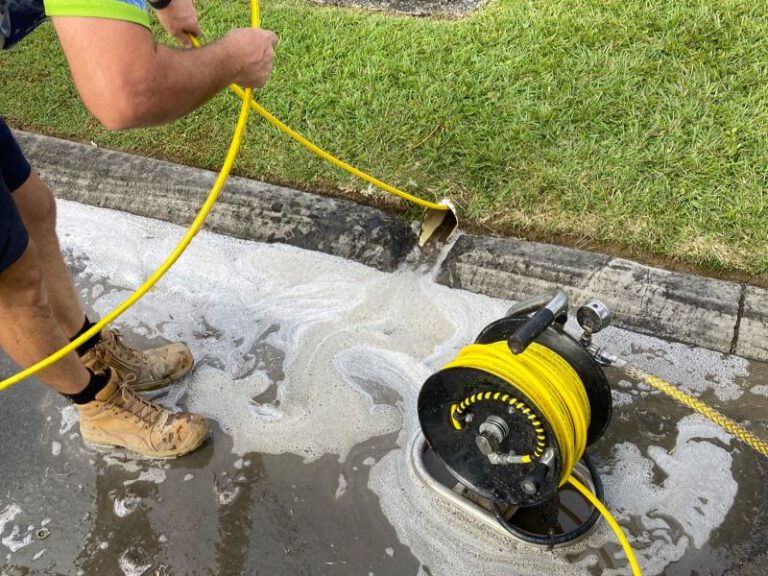
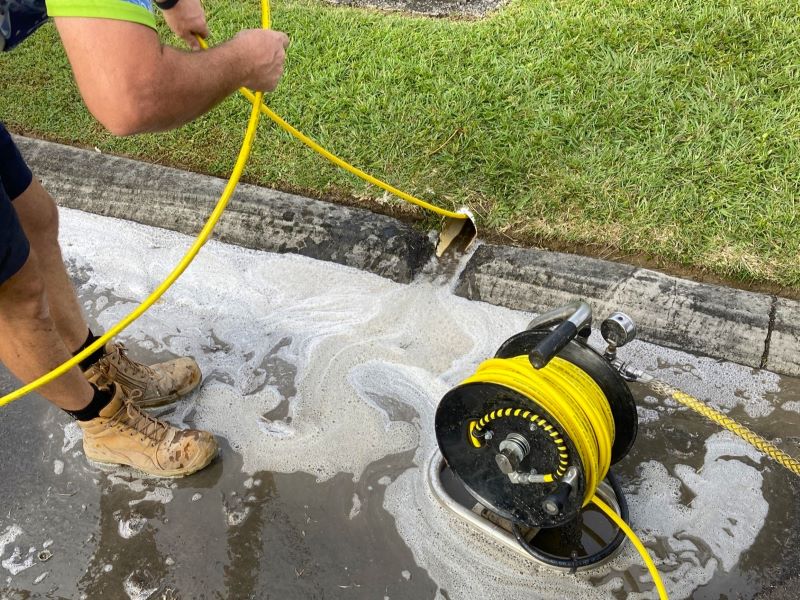
- Hydro jetting — Utilizing a high-pressure water jet, we can effectively cut through tree roots, clear sediment, and flush debris from the system. This method stands out as the most efficient way to clear a blocked stormwater drain without causing damage to the pipe. It serves as the first line of defence for most blockages, restoring proper flow quickly and effectively.
- Pipe relining — For cracked or damaged pipes, we insert a new pipe within the existing one. A resin-coated liner is positioned and cured on-site, creating a robust seal. This method not only seals cracks but also prevents root entry and restores full flow without the need for excavation. Relined pipes can last over 50 years, providing long-lasting and reliable solutions for your drainage needs.
- Pipe replacement — If an entire section of piping has collapsed, we will excavate and replace it. In clay soil areas, we prefer to install PVC pipes with flexible joints, which can better accommodate ground movement compared to rigid materials, ensuring longevity and stability for your drainage system.
- French drain installation — For properties where surface water poses a significant issue, we can install a French drain that collects water underground and directs it away from the house. This solution is essential in Caboolture’s clay soil, where surface water struggles to soak in effectively, preventing flooding and protecting your property from water damage.
- Spoon drain installation — These concrete channel drains effectively collect surface water and direct it into the stormwater system. They are particularly useful for driveways, pathways, and areas where water flows across hard surfaces, enhancing overall drainage and protecting your property from potential flooding.
- Stormwater pit upgrades — Older stormwater pits may not adequately manage the volume of water your property encounters. We can install larger pits with appropriate grates and connections to enhance water capacity and efficiency, ensuring your system functions optimally during heavy rain events.
Essential Insights on Stormwater Drain Maintenance for Homeowners
How Often Should You Clean Stormwater Drains in Caboolture?
In regions with clay soil, we recommend scheduling hydro jet cleaning every 2 to 3 years. If large trees are situated near the stormwater lines, consider implementing annual maintenance. Tree roots can regrow after being cleared, making regular upkeep crucial to prevent complete blockages. A camera inspection will provide valuable insights into how frequently your system requires maintenance, allowing for proactive measures and timely interventions that can save you both time and money.
Can Tree Roots Be Permanently Eliminated From Stormwater Pipes?
While hydro jetting can temporarily clear roots, they will return unless the entry point is effectively sealed. The most effective permanent solution is pipe relining, which creates a continuous barrier within the pipe that roots cannot penetrate. If you find yourself clearing the same roots annually, opting for relining will save you money over time and reduce the frequency of maintenance, ensuring peace of mind and a reliable drainage system.
What Distinguishes Stormwater Drains From Sewer Drains?
Stormwater drains are designed to transport rainwater collected from roofs, yards, and driveways to the council stormwater system. In contrast, sewer drains carry wastewater from toilets, sinks, and showers to the treatment plant. These two systems operate independently, and any cross-connections are illegal and may lead to contamination of local waterways, posing significant environmental risks that can impact the community.
Who Is Accountable for Blocked Stormwater Drains?
As a property owner, you are responsible for all stormwater pipes and pits located within your property boundary. The council oversees the stormwater system from your boundary connection to the main line. If a blockage occurs on your property, it is your obligation to address it promptly. We can assist in determining whether the issue resides on your side or the council’s side through a thorough camera inspection that provides clarity and direction in resolving drainage problems.
Does Home Insurance Cover Stormwater Drain Repairs?
Most home insurance policies typically do not cover gradual deterioration of pipes or root intrusion, as these are considered maintenance issues. However, storm damage may be covered if a sudden incident triggers the failure. It is advisable to review your policy or contact your insurer before commencing repairs. We offer detailed camera footage and reports that can assist with insurance claims, ensuring you are well-prepared and informed about your coverage options.
Prevent Further Damage by Addressing Stormwater Issues Promptly
Blocked stormwater drains will not resolve themselves over time. Each wet season, roots continue to thicken, sediment accumulates deeper, and cracks widen further. The longer you postpone addressing these problems, the costlier the repairs become, potentially leading to more extensive damage to your property, landscape, and home comfort.
Scheduling a stormwater camera inspection before the onset of the storm season is a wise investment. We conduct a thorough examination of the entire system, pinpointing existing problems and providing you with a clear action plan for resolution. Taking early action can save you both time and money in the long run, ensuring the safety, efficiency, and comfort of your home during heavy rains.
Call 1300 793 962 or contact us to arrange an inspection today and safeguard your property from stormwater issues before they escalate.
The Article: Stormwater Drains in Caboolture: Why They Keep Blocking first appeared on https://writebuff.com
The Article Stormwater Drains in Caboolture: Causes of Frequent Blockages Was Found On https://limitsofstrategy.com
References:
Stormwater Drains in Caboolture: Causes of Frequent Blockages