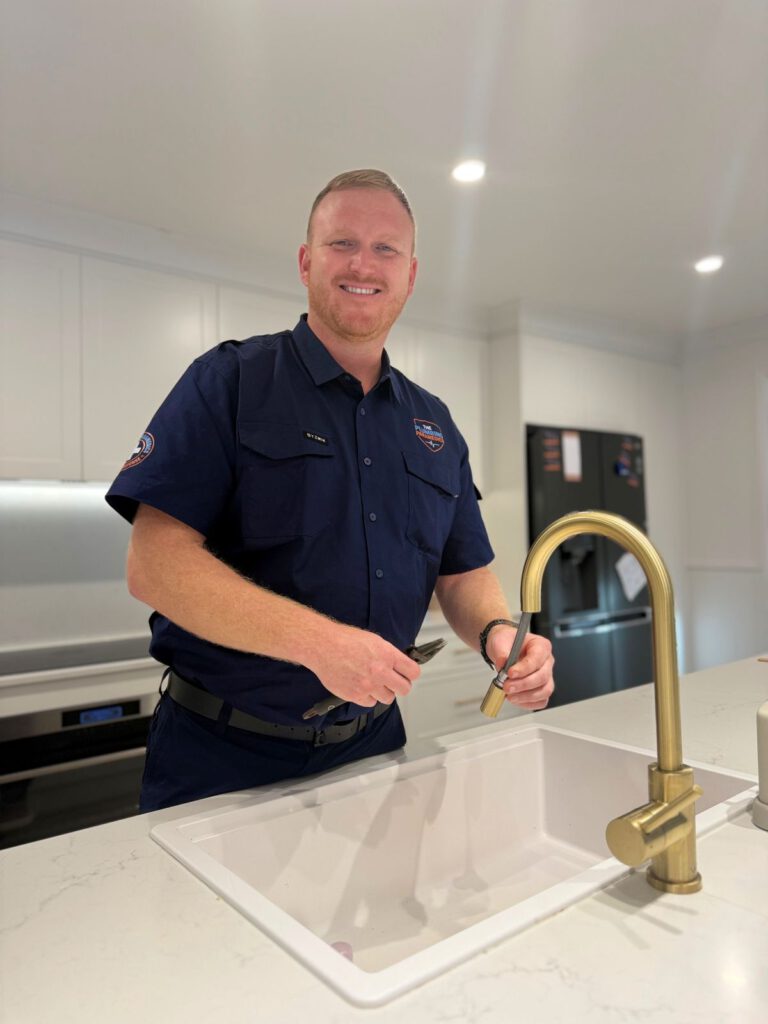
Repairing your hot water system can be a wise choice if it is less than eight years old, and the problem is limited to a single component such as a thermostat, valve, element, or thermocouple, with no leaks from the tank itself. if your unit is 10 to 12 years old, shows signs of rust or leaks, or if repair costs approach half the price of a new system, replacement is generally the better option. This guideline is what we follow throughout the Hills District.
Let’s delve into how to evaluate which option suits your circumstances best.
How Old Is Your Hot Water System?
The initial step is to ascertain the age of your hot water system, as this information is crucial for understanding its condition. Most storage hot water systems in Sydney typically last between eight to twelve years. Electric and gas storage tanks usually fit within this timeframe, while continuous flow (instantaneous) gas systems can last longer with proper care.
If your system is under eight years old and has a specific issue, repairing it is often the most prudent option. On the other hand, if it surpasses 10 to 12 years, you might be investing in a unit that is nearing the end of its useful life, suggesting that further failures could occur soon.
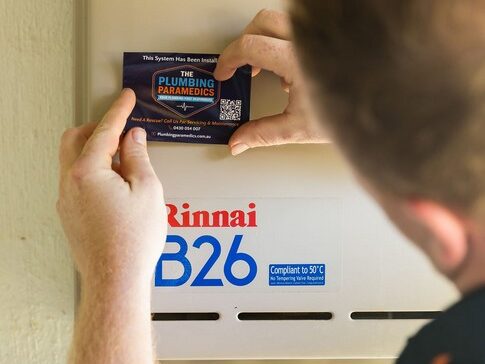
To determine the installation date, inspect the compliance plate or sticker on the unit. If it’s not visible, we can identify most systems by their model number during our visit.
Which Component Is Causing the Problem?
Pinpointing the malfunctioning component is just as important as knowing the system’s age. Some problems are relatively inexpensive to fix, while others may indicate that the tank has reached the end of its lifespan.
What Repairs Are Worth Considering?
Common repairs include replacing a heating element or thermostat in an electric system. For gas storage or continuous flow units, issues like a faulty thermocouple, pilot assembly, or igniter can often be resolved without needing to replace the entire system. A leaking tempering valve or pressure relief valve (the small valve that drains into a pipe) usually requires a simple part replacement instead of a full system overhaul.
In these cases, repair is clearly the more advantageous option, as the tank remains in good condition and only a worn-out component requires replacement.
When Should You Consider Replacement?
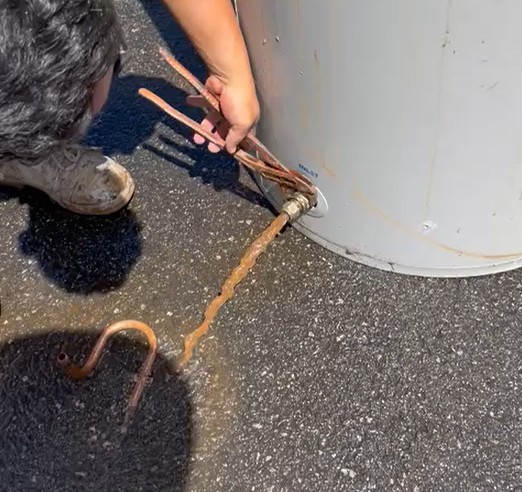
If the tank is leaking, exhibiting rust, or if water is pooling around the base without any loose fittings, these are signs of internal corrosion. A rusted tank cannot be repaired. Once the steel structure begins to deteriorate, the only viable solution is to install a new unit.
In some cases, replacing a failed sacrificial anode can extend the tank’s lifespan by a few more years; however, this should be done before significant corrosion occurs. Once the tank starts to leak, that opportunity has passed.
How Do Repair Costs Compare to a New System’s Price?
Use the half-rule: if the repair cost is close to half the price of a new unit, replacement is often the more sensible choice, especially for older systems. Spending $700 on a 13-year-old tank that may fail again within eight months is not a wise investment.
We do not offer fixed prices as costs vary based on the system type, the specific part needing replacement, and accessibility. For instance, replacing an element on an easily accessible electric unit is at the lower end of the pricing spectrum. In contrast, a full replacement, particularly for gas, solar, or heat pump systems that require new connections, will be significantly higher. We provide free quotes for both repairs and replacements when possible, allowing you to compare costs and make an informed decision.
To discover more about the systems we install and service, please visit our hot water services page.
Does the Type of System Affect Your Decision?
Absolutely. The financial implications vary among the four primary types of systems.
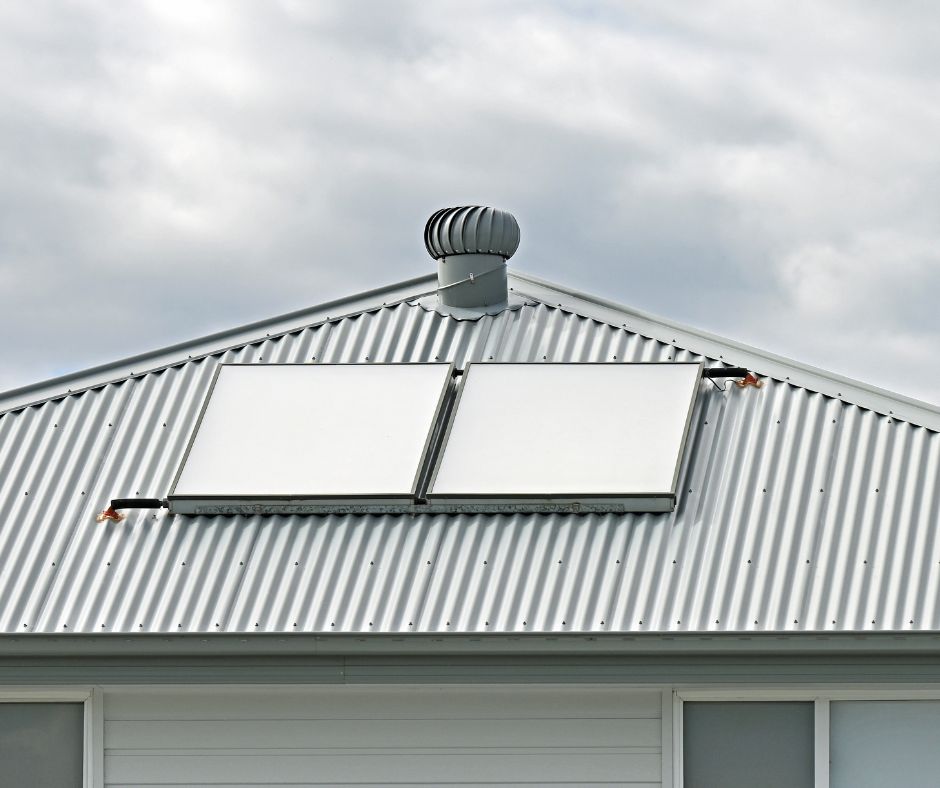
Electric storage systems are the least expensive to replace, making the threshold for choosing replacement over repair lower. Gas storage and continuous flow systems require more careful consideration, as detailed on our gas hot water page. A high-quality continuous flow unit may merit repair even later in its lifespan. Solar and heat pump systems typically involve higher upfront costs, making repairs on a functioning unit generally more beneficial than full replacements.
A crucial rule applies to all types: installation and replacement of hot water systems in NSW must be carried out by a licensed plumber, and any gas work must be performed by a licensed gas fitter. This is a legal requirement, not merely a suggestion. We hold both NSW Fair Trading licenses in-house.
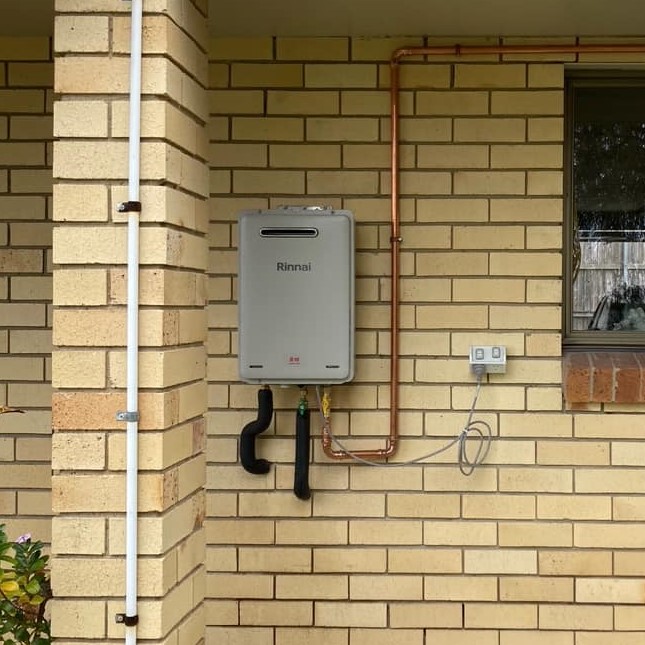
When Is Immediate Replacement the Most Logical Choice?
Certain situations clearly indicate that replacement is the more prudent financial decision.
If the tank is leaking, the unit is over 12 years old, has previously undergone repairs, is providing rusty or discoloured water, or fails to meet household demands (leading to cold showers for subsequent users), it’s time to consider replacement. If the repair estimate exceeds half the cost of a new unit and the system is well past its prime, replacement is typically the best option.
If you are contemplating an upgrade, this is also a good opportunity to evaluate a more energy-efficient system. We cover this in detail during our quoting process.
Frequently Asked Questions About Hot Water Systems
What Is the Typical Lifespan of a Hot Water System in Sydney?
Most storage hot water systems in Sydney homes last around eight to twelve years, whether electric or gas. Continuous flow (instantaneous) gas units can have a slightly longer lifespan with regular maintenance. Factors such as water quality, system workload, and timely replacement of the sacrificial anode can significantly influence the actual lifespan. Once a unit exceeds ten years, failures become more frequent, and replacement generally proves more cost-effective compared to ongoing repairs. To determine the age of your unit, refer to the compliance plate for the installation date, or we can ascertain it from the model number during our visit. Knowing the age is crucial when deciding whether to repair or replace.
Is It Worth Repairing a Ten-Year-Old Hot Water System?
It can be worthwhile, but only if the issue is confined to a single component and the tank is in good condition. Replacing a thermostat, element, thermocouple, or pressure relief valve on a ten-year-old system can be a sensible decision if the tank shows no signs of rust or leaks. Heavily investing in repairs for a corroding tank is generally unwise, as further failures are likely to occur within a year. As a guideline, if repair costs approach half the price of a new system for a unit of this age, replacement is generally the more sensible choice. We provide side-by-side quotes for both repairs and replacements whenever possible, allowing you to clearly compare the figures and make an informed decision.
What Signs Indicate That My Hot Water System Needs Replacement?
The most obvious sign is water pooling or leaking from the tank, indicating that the steel has corroded and cannot be repaired. Other warning signs include rusty or discoloured hot water, the system failing to meet household demands, unusual banging or rumbling noises from the tank, and the unit exceeding 12 years of age with a malfunction. A single failed part in a younger, well-maintained tank typically suggests repair rather than replacement. If you notice multiple issues—age, leaks, and poor performance—it’s generally more cost-effective to replace the unit instead of continuing to patch it. We can assess the situation on-site and provide a no-obligation free quote for either option.
Can I Install My Own Hot Water System?
No, you cannot. In NSW, the installation and replacement of hot water systems must be performed by a licensed plumber, and any gas connections must be managed by a licensed gas fitter. This is not merely a suggestion; it is a legal requirement. Attempting a DIY installation can void your home insurance and the manufacturer’s warranty, and it poses significant safety risks involving gas, scalding water, and pressure. All components, including tempering valves and pressure relief valves, must comply with plumbing standards. You can safely check the age on the compliance plate and look for leaks around the base before contacting us. We hold the necessary NSW Fair Trading plumbing and gas fitting licenses, allowing us to manage the entire job efficiently.
What Is the Cost of Replacing a Hot Water System?
We do not provide fixed prices as costs vary significantly based on the type of system and the specifics of installation. Electric storage systems are the most affordable to replace, while gas, solar, and heat pump systems generally involve higher initial costs but can lead to lower running expenses over time. The total cost is influenced by the selected unit, whether it entails a straightforward replacement or a switch to a different type of system, the installation location (internal versus external, accessibility), and any new water or gas connections needed. The best way to obtain an accurate price is to request a free quote tailored to your situation. We will evaluate your current setup and your desired options before providing a clear, fixed figure with no hidden surprises. Guessing online prices seldom reflects the actual job requirements.
How Long Does It Take to Replace a Hot Water System?
A straightforward like-for-like replacement usually takes just a few hours and can often be completed on the same day, provided we have the correct unit available. The process takes longer if changing system types, such as from electric to gas or from storage to continuous flow, as this may involve new connections and possibly relocating the unit. Accessibility also impacts the timeframe: a unit located in a tight space or up a flight of stairs will require more time than one situated in an open area. If you are currently without hot water, we will provide you with a realistic timeframe before commencing any work. We keep common systems on hand, allowing for same-day replacements whenever possible to avoid leaving you without hot water for long. In emergencies, we prioritise quick responses.
Need Professional Assistance with Your Hot Water System?
If you are experiencing issues with your hot water system, the best approach is to let us evaluate it. We will provide an honest assessment of whether repair or replacement is necessary, offer quotes for both options when suitable, and we are fully licensed to manage the entire process from start to finish.
Contact The Plumbing Paramedics at 0430 054 007 for a complimentary quote, or explore our hot water services and electric hot water options.
Original Article First Published At: Hot Water System Repair vs Replace — When Each Makes Sense
The Article: Hot Water System Repair or Replace: Which Is Right for You? first appeared on https://writebuff.com
The post Hot Water System: Repair or Replace for Your Needs? appeared first on Limits Of Strategy.