Flexi-hoses generally last between 5 to 10 years, but many fail before reaching this expected duration. These braided silver hoses are typically found under taps, toilets, and kitchen sinks. When a flexi-hose bursts, it can release mains-pressure water until it is turned off, making them a prominent cause of indoor flooding incidents in the Hills District.
Let’s delve into their true lifespan, the factors leading to their failures, and how to inspect your hoses to avert potential disasters.
What Are Flexi-Hoses and How Do They Function?
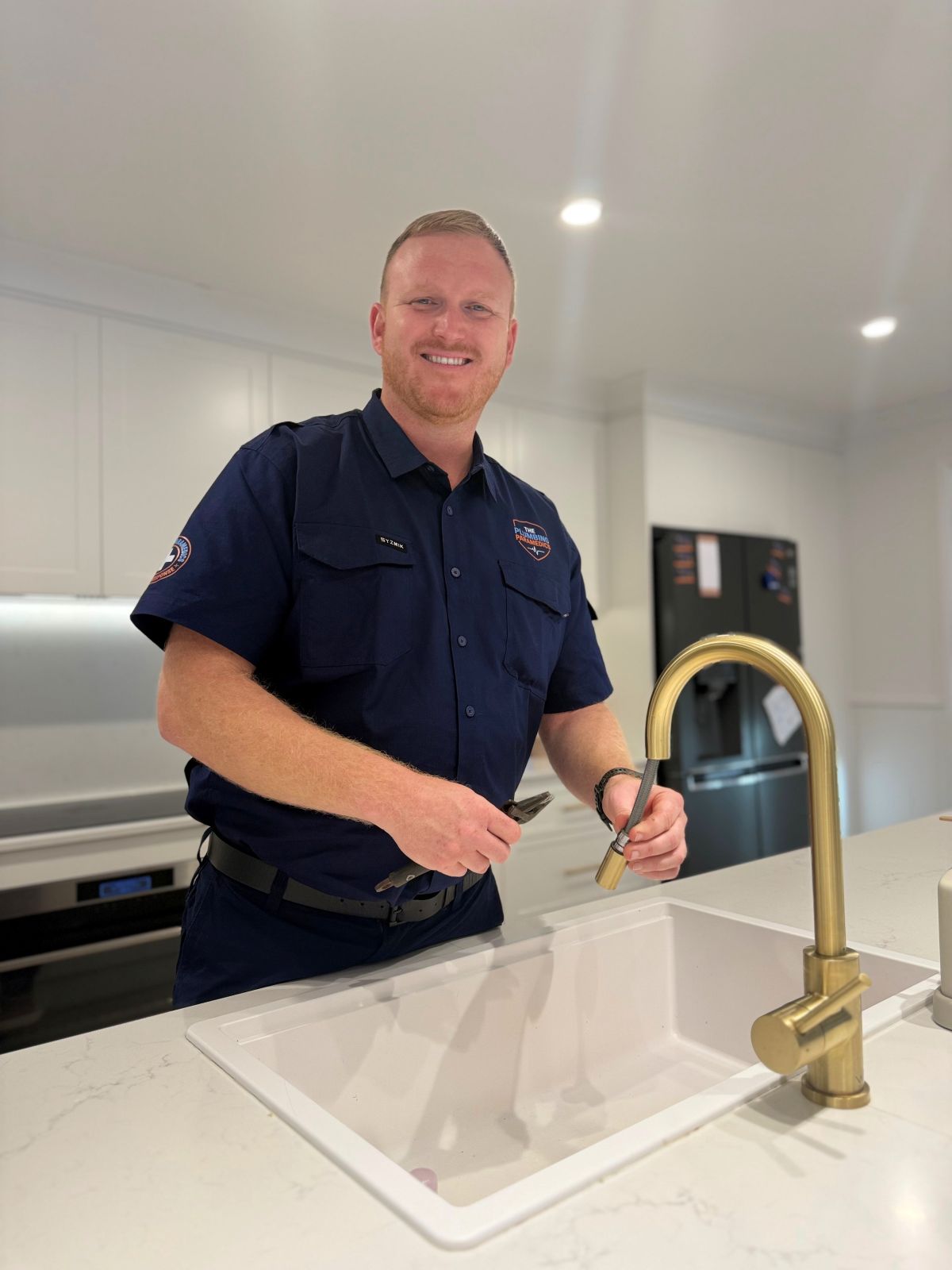
A flexi-hose, often referred to as a flexible braided hose, acts as a connector that links your water supply to various fixtures, such as those under bathroom vanities, kitchen sinks, toilet cisterns, and laundry areas. These hoses contain a rubber tube encased in a woven stainless steel braid, engineered to withstand pressure.
Flexi-hoses are cost-effective, easy to install, and widely used in contemporary Sydney homes. their limited lifespan means that a sudden failure can result in a significant leak, in contrast to the gradual onset of a slow leak.
How Long Do Flexi-Hoses Typically Last?
On average, flexi-hoses last between 5 and 10 years. Manufacturers commonly cite this range as a standard lifespan, with many warranties reflecting the lower end. While some hoses may last over a decade, others can fail after just five years.
Several factors influence this variability in lifespan, including water pressure, water quality, materials used in the hose, and the installation environment. For instance, a low-quality hose in a humid, heated area under high pressure will not last as long as a high-quality hose situated in a dry, well-ventilated cupboard.
As a general rule, if you are uncertain about the age of your hoses, consider replacing any that are over ten years old.
What Factors Lead to Flexi-Hose Failures and Result in Flooding?
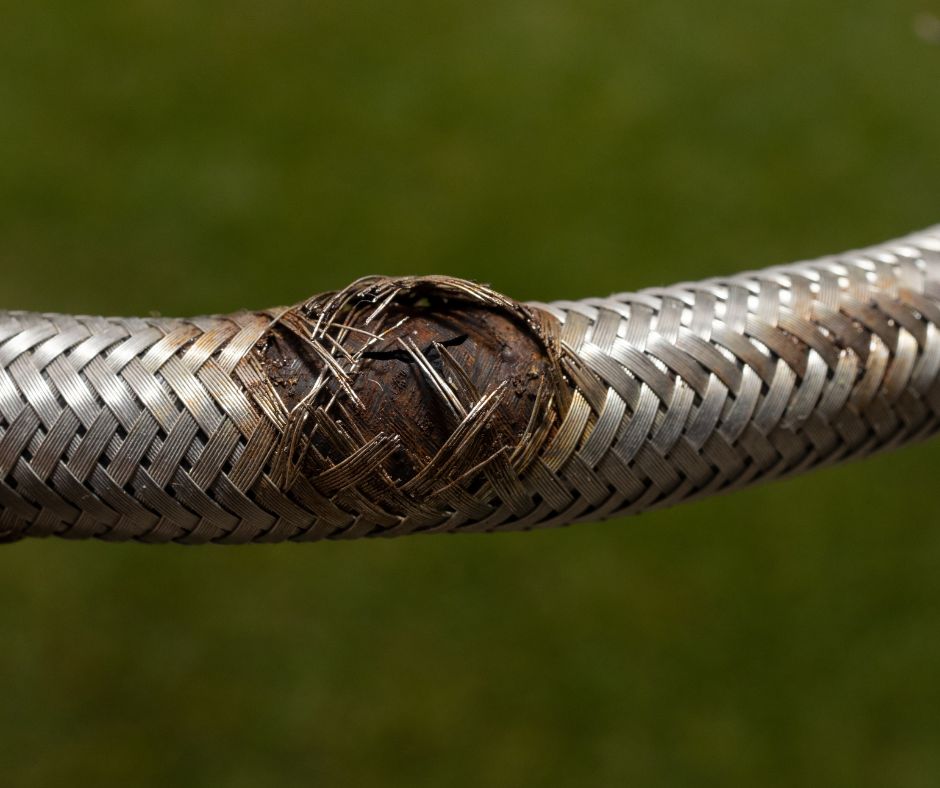
The deterioration of the braid serves as a key indicator of impending failure. Over time, the stainless steel strands may corrode and break while the rubber inner tube degrades, ultimately leading to hose failure under mains pressure. When a flexi-hose bursts, it does so abruptly, releasing a large volume of water.
A ruptured flexi-hose beneath a sink can quickly flood the area, especially if the failure occurs while you are not at home or asleep. This can result in substantial financial damage to flooring, cabinetry, and ceilings below.
Here are some common reasons for premature flexi-hose failures:
What Role Does Corrosion Play in Flexi-Hose Failures?
Damp and poorly ventilated areas, particularly bathroom vanities, contribute to the corrosion of the steel braid. If you observe rust spots or frayed wires, this indicates that the hose is already compromised.
How Can Improper Installation Lead to Flexi-Hose Failures?
A hose that is bent too sharply, twisted, or excessively tightened during installation is under stress from the beginning. Kinks can weaken both the inner tube and the braid at the bend, resulting in premature failure.
How Does Excessive Water Pressure Affect Flexi-Hoses?
High mains pressure places every hose, fitting, and washer in your home under continuous strain. Elevated water pressure can cause hoses to fail sooner, affecting other connections as well.
What Impact Does Using Poor Quality or Aged Hoses Have?
Low-quality hoses, or those that have aged, are among the most frequent causes of failures we encounter. The combination of age, inadequate ventilation, and high pressure often leads to flooding.
How Can You Effectively Inspect Your Flexi-Hoses?
Conducting a quick inspection yourself is advisable every six months. Begin by opening the cupboards beneath your sinks, vanity, and laundry, and closely examine the braided hoses.
Look for rust, fraying or broken wires in the braid, any bulging or kinks, and check for dampness or corrosion at the fittings. Inspect each hose along its entire length. If you notice any rust, fraying, or bulging, or if you cannot recall when they were last replaced, it’s time to contact a plumber for a replacement.
While inspecting, locate your main water shut-off valve and ensure you know how to turn it off. This valve will be crucial for stopping the flood in the event of a burst.
Can You Replace a Flexi-Hose by Yourself?
Yes, homeowners in NSW are legally permitted to replace a flexi-hose themselves, similar to changing a tap. It is essential to perform the task correctly, as the connection must maintain a seal under constant pressure, and improper installation can lead to flooding.
If you feel confident, turn off the water at the fixture or main supply, relieve any pressure, and install a quality WaterMark-approved hose, ensuring it is neither over-tightened nor kinked. If you prefer to avoid the risk, or wish to have all the hoses in your home inspected and replaced at once, our team can assist you. We often handle such tasks alongside tap installations; for more details, visit our tap repairs and installation page.
If a hose has already burst, shut off your water at the main and contact us immediately. A burst flexi-hose represents a plumbing emergency, and we are available seven days a week to respond.
What Are Common Queries About Flexi-Hoses?
What Is the Typical Lifespan of Flexi-Hoses Before They Need Replacement?
Most flexi-hoses have a lifespan of approximately 5 to 10 years, with many failing before reaching the ten-year mark. Manufacturers typically provide this lifespan range, but the actual duration depends on various factors such as water pressure, water quality, hose material, and installation conditions. For example, a hose in a damp, poorly ventilated vanity under high pressure will wear out faster than one in a dry, well-ventilated cupboard. Given that failures are often sudden and significant, it is wise not to wait for a problem to arise. If you are unsure of the age of your hoses, consider replacing any that are over ten years old, and inspect them biannually for signs of rust or fraying. Replacing an ageing hose is a minor expense compared to the cost of repairing damage caused by a burst.
What Causes Flexi-Hoses to Burst and Result in Flooding?
Flexi-hoses tend to burst due to the corrosion of the stainless steel braid surrounding the rubber inner tube, which eventually leads to snapping, as well as the degradation of the rubber itself. Once the hose can no longer withstand mains pressure, it ruptures, releasing a significant volume of water all at once, rather than merely dripping. If a rupture occurs while no one is home, it can continue for hours, causing extensive damage to floors, cabinets, and ceilings below. Factors that accelerate failure include damp, poorly ventilated cabinets, improper installation techniques (such as over-tightening or kinking), high water pressure, and low-quality or aged hoses. Bathroom vanities are particularly prone to moisture accumulation, making them hotspots for hose failure. Regular biannual checks for rust and fraying on the braid can serve as your best early warning system.
Is DIY Replacement of a Flexi-Hose Allowed in NSW?
Yes, homeowners in NSW are permitted to replace a flexi-hose themselves, similar to changing a tap, so a licensed plumber is not required for this task. It is crucial to perform the replacement carefully, as the connection must seal against constant mains pressure, and mistakes can lead to flooding. If you decide to proceed, turn off the water at the fixture or main, release the pressure, and install a quality WaterMark-approved hose without over-tightening or kinking it, as both can stress the hose and shorten its lifespan. If you prefer to avoid the risk or wish to have all your hoses inspected and replaced in one visit, our plumbers can handle that task quickly and affordably. If a hose has already burst, turn off the water at the main immediately and contact us for assistance.
What Indications Signal That My Flexi-Hoses Need Replacement?
Open the cupboards under your sinks, bathroom vanity, and laundry to closely examine the braided hoses. Look for signs that indicate a hose needs replacing, including rust spots on the braid, frayed or broken wires, bulging or kinking along the hose, and any dampness or corrosion around the fittings. Carefully inspect each hose along its entire length. If you notice any of these issues or cannot recall when they were last changed, make arrangements for a replacement, as a compromised braid is a clear warning sign that precedes a burst. It is advisable to conduct this check twice a year. While inspecting, also locate your main water shut-off valve and ensure you can quickly turn it off, as this is essential for stopping a flood if a hose fails unexpectedly.
Does Water Pressure Affect the Lifespan of Flexi-Hoses?
Yes, elevated mains water pressure places every hose, fitting, and washer in your home under constant strain, leading to a shorter lifespan for flexi-hoses when the pressure is consistently too high. If you notice your taps slamming or banging when shut off (a phenomenon known as water hammer), or if the water pressure feels unusually strong, it’s advisable to investigate. High pressure not only impacts hoses but can also shorten the life of mixers and appliances throughout your home. A plumber can assess your mains pressure and, if it is too high, install a pressure-limiting valve to bring it into a safe range, thereby protecting your hoses and fixtures over time. If you have already experienced an early failure of a hose, high pressure will be one of the first factors we examine during our visit.
What Should You Do If a Flexi-Hose Bursts?
Immediately turn off your water at the main stop tap; this is the most critical action, as it prevents further water from entering your home. If possible, also switch off the isolating valve located under the affected fixture. Then, mop up any water and remove items to limit damage to floors and cabinetry. Check whether water has reached any electrical components; if it has, avoid touching them and only switch off the power at the board if it is safe to do so. Once the water is shut off, contact a plumber to replace the failed hose and inspect the others. A burst from one ageing hose often indicates that the rest may soon follow. A burst flexi-hose represents a genuine plumbing emergency, and it is exactly the kind of urgent plumbing issue we address throughout the Hills District.
Are You Worried About Your Hoses or Already Experiencing Water Damage?
A quick two-minute inspection under your sinks today could prevent a future flood in your home. If your flexi-hoses show signs of rust, fraying, or are simply old, we can promptly replace them, check your water pressure while we’re there, and provide you with peace of mind.
Contact The Plumbing Paramedics at 0430 054 007 for a complimentary quote. If a hose has already burst, turn off your water and reach out to us for emergency plumbing assistance at any time.
Original Article First Published At: How Long Do Flexi-Hoses Last — and Why They Flood Homes
The Article: Flexi-Hoses: Lifespan and Flood Risks Explained first appeared on https://writebuff.com
The post Flexi-Hoses Explained: Lifespan and Flood Risk Insights appeared first on Limits Of Strategy.