Understanding Climate Dynamics and Their Worldwide Effects
What Key Elements Influence Seasonal Weather Fluctuations?
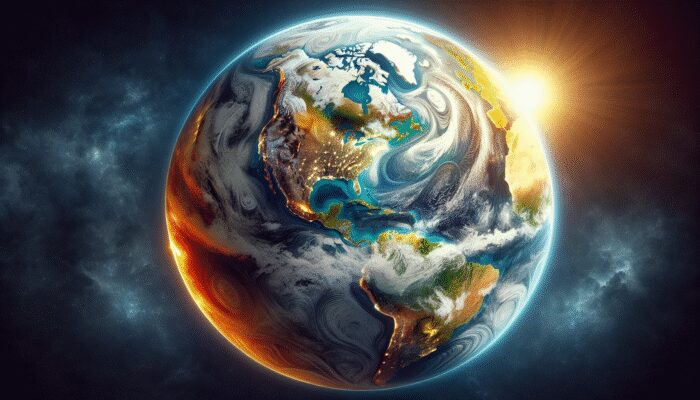
Seasonal weather changes are the result of a complex interaction of factors that collectively determine the overall climate of our planet. The Earth’s axial tilt and its elliptical orbit around the sun play crucial roles in how solar energy is distributed across various geographical areas. This uneven distribution of sunlight leads to the diverse weather patterns that define each season. To fully comprehend these influential factors, it is essential to explore the intricate dynamics of global weather variations and their impacts on daily life and natural ecosystems.
- Earth’s axial tilt: This tilt changes the angle at which sunlight hits the Earth’s surface, creating temperature variations across the seasons and thus affecting weather conditions.
- Orbital eccentricity: Variations in Earth’s orbit influence its distance from the sun, which can affect the intensity of seasons and contribute to climatic changes.
- Atmospheric composition: The levels of greenhouse gases in the atmosphere trap heat, resulting in local climate changes that can alter weather patterns.
- Solar radiation: The amount and distribution of solar energy received by different regions have significant implications for climate and weather stability.
- Geographical features: Elements such as oceans, mountains, and the equator greatly affect local temperature and precipitation patterns, creating diverse climatic zones.
- Ocean currents: These currents act as heat transport systems, influencing climate systems and weather patterns globally.
- Vegetation: Forests and urban areas can modify local weather through processes like evapotranspiration, affecting humidity and temperature levels.
- Human influence: Urban development and deforestation can significantly change local climates, resulting in altered weather patterns and ecological impacts.
Each of these interconnected elements plays a role in observable seasonal changes, underscoring the necessity of analysing their interactions to grasp the diverse climates present worldwide and their implications for humanity.
How Do Ocean Currents Shape Global Weather Patterns?
Ocean currents serve as the Earth’s climate conveyor belts, redistributing heat and moisture across different regions and profoundly influencing global weather patterns. The dynamics of these currents are essential in determining the climatic conditions experienced in various areas. Understanding their effects allows for better insights into local weather phenomena resulting from their activities, significantly enhancing our understanding of global climate systems.
- Gulf Stream: This warm current elevates temperatures along the eastern coast of the U.S. and in Western Europe, thereby affecting regional climates.
- California Current: A cold current that cools the western coastline of the U.S., moderating local climate conditions by stabilising temperatures.
- North Atlantic Drift: An extension of the Gulf Stream, this current brings milder weather to Northern Europe, contributing to weather stability.
- Equatorial Currents: These currents intensify tropical weather patterns and are vital for monsoon development, impacting agriculture and ecosystems.
- Antarctic Circumpolar Current: This cold current maintains the chilly climate of the Southern Hemisphere, playing a key role in global temperature regulation.
- Kuroshio Current: A warm current that significantly affects the climate of Japan and its surrounding areas, impacting weather patterns and marine life.
- Canary Current: A cool current that may create drier conditions in the Canary Islands, influencing local agricultural practices and water availability.
- Peru Current: This cold current contributes to the arid conditions along the Peruvian coast, shaping local ecosystems and climates.
The relationship between ocean currents and atmospheric conditions can produce extreme weather events, such as tropical storms and prolonged droughts. This emphasizes their critical role in global climate systems and their direct impact on human activities and safety.
What Role Does Atmospheric Pressure Play in Weather Formation?
Atmospheric pressure is a fundamental element that significantly influences weather conditions. It acts as a driving force behind different meteorological phenomena where the interplay of high and low-pressure systems manifests as distinct weather patterns. These pressure systems affect everything from daily weather forecasts to long-term climate trends, making it crucial for understanding weather forecasting and its implications for society.
- High-pressure systems: Generally associated with stable weather patterns, these systems lead to clear skies and calm conditions, often resulting in pleasant weather.
- Low-pressure systems: Frequently bring clouds and precipitation, forming the basis for stormy weather and influencing rainfall distributions.
- Cold fronts: Linked to falling temperatures, they can instigate sudden weather changes, impacting local forecasts and safety protocols.
- Warm fronts: Gradually warming air can produce light precipitation as it rises over cooler air, affecting local weather conditions.
- Occluded fronts: Arise when a cold front overtakes a warm front, resulting in complex weather patterns that require careful monitoring.
- Pressure gradients: Steep gradients can lead to windy conditions, which in turn influence temperature and rainfall levels, affecting local climates.
- Subtropical high-pressure systems: These areas often contribute to dry conditions found in deserts and semi-arid regions, impacting agricultural practices and water resources.
- Polar high-pressure systems: Responsible for colder weather patterns at higher latitudes, these systems influence seasonal changes.
By comprehending the dynamics of atmospheric pressure, we can improve our ability to predict weather events and prepare communities for shifts in climatic conditions. This knowledge is essential for effective planning and response strategies to mitigate weather-related risks.
How Does Topography Influence Local Climate Conditions?

Topography, which refers to the physical features of the Earth’s surface, plays a significant role in shaping local climates. The presence of mountains, valleys, and plains can dramatically affect weather patterns, giving rise to unique microclimates that differ from surrounding areas. Understanding these variations is crucial for effective environmental management and urban planning.
- Mountain ranges: These natural barriers can block moist air, causing rain-shadow effects on the leeward side, which significantly alters local climates.
- Valleys: Often trap cold air, leading to lower temperatures and unique weather conditions that can affect agriculture and habitation.
- Plateaus: Typically experience cooler temperatures and can change local wind patterns, influencing weather conditions and ecological dynamics.
- Coastal regions: Benefit from maritime influences that moderate extreme temperature fluctuations, contributing to local biodiversity.
- Deserts: Usually found in rain-shadow areas where mountains limit moisture, resulting in arid conditions that affect local ecosystems.
- Hills: Can generate localized wind patterns and influence precipitation through turbulence, impacting agriculture and local weather.
- Islands: Display distinct weather patterns compared to mainland areas due to their proximity to oceanic influences, affecting tourism and agriculture.
- Glaciers: Affect local climates by reflecting sunlight and altering temperature dynamics, impacting regional weather patterns.
By examining the effects of topography, we gain valuable insights into the localized weather phenomena that contribute to the diverse climates observed across the globe. This understanding aids in better resource management and environmental sustainability.
What Impact Does Vegetation Have on Local Climate Dynamics?
Vegetation is a significant factor influencing local climates, primarily through processes such as evapotranspiration, which can substantially affect humidity and temperature levels. Various types of vegetation interact with climatic conditions, thereby shaping weather patterns and surrounding ecosystems. Understanding these interactions is vital for effective environmental management and conservation efforts.
- Forests: These areas typically raise humidity levels and can moderate local temperatures through the shade they offer, enhancing biodiversity.
- Grasslands: Generally experience lower humidity and contribute to increased temperature variability, influencing local agricultural practices.
- Deserts: With sparse vegetation, these regions undergo extreme temperature differences between day and night, impacting local wildlife and plant life.
- Wetlands: Act as natural water reservoirs, influencing local humidity and precipitation patterns that are vital for sustaining ecosystems.
- Urban vegetation: Parks and green spaces can significantly reduce the urban heat island effect by providing cooling effects, improving living conditions in cities.
- Coastal vegetation: Plants like mangroves protect against erosion and influence local microclimates, benefiting coastal communities.
- Agricultural crops: The types of crops grown and their management practices can drastically influence local moisture levels and food security.
- Invasive species: Can disrupt native vegetation, thereby impacting local climates and biodiversity, necessitating effective management strategies.
The interactions between vegetation and climate underscore the importance of conservation efforts and sustainable practices aimed at maintaining ecological balance in various environments. This understanding is essential for climate adaptation and resilience.
In-Depth Climate Insights for Belize: A Comprehensive Guide
How Do Meteorologists Accurately Forecast Weather Patterns?

Meteorologists utilise an array of advanced tools and models to provide accurate weather forecasts. They leverage data gathered from satellites, radar systems, and weather stations to comprehensively analyse atmospheric conditions and generate precise predictions. Learning to interpret these forecasts is crucial for making informed decisions regarding daily activities, especially in regions vulnerable to extreme weather. This understanding is essential for community preparedness and safety.
To effectively interpret weather forecasts, consider these actionable steps:
1. Familiarise yourself with terminology: Understanding terms such as “high-pressure system,” “front,” and “precipitation” will improve comprehension and accuracy in interpretation.
2. Consult multiple sources: Utilize a variety of weather apps and websites to obtain a comprehensive view of expected conditions, enhancing prediction accuracy.
3. Analyse radar imagery: Learn to interpret radar images that depict precipitation intensity and movement, aiding in real-time decision-making.
4. Investigate long-term forecasts: Look for trends over time to comprehend broader climate impacts beyond daily variations, assisting in proactive planning.
5. Consider seasonal trends: Recognise the typical weather patterns unique to your region throughout the year, helping in planning activities.
6. Be aware of local variations: Understand that weather can differ significantly due to topography and local conditions, which can impact daily life.
By grasping these components, individuals can better prepare for the weather and make informed choices about their activities and plans, enhancing community resilience and safety.
Why Is Historical Weather Data Essential for Accurate Forecasting?
Historical weather data is crucial for forecasting future weather patterns and trends. By analysing past weather events, meteorologists can identify cycles and anomalies that inform current forecasts. This analysis is especially vital in climates like Belize’s, where seasonal variations and weather fluctuations can significantly impact everyday life and activities.
Examining historical data encompasses several important aspects:
– Trend recognition: Identifying recurring patterns over time enables meteorologists to make informed predictions about future conditions, thus enhancing forecast reliability.
– Outlier detection: Understanding abnormal events aids in forecasting extreme weather situations, which is vital for preparation and safety.
– Seasonal expectations: Historical data provides context for typical seasonal weather, assisting in public preparedness and response planning.
– Statistical modelling: Employing statistical methods helps create predictive models based on past occurrences, improving forecasting accuracy and dependability.
Through expert analysis of historical data, forecasters can refine their predictions, leading to more reliable weather forecasts that better serve communities prone to severe weather events. This understanding is essential for effective disaster preparedness and response.
What Innovations Are Changing Weather Prediction Technologies?
Recent advancements in technology have transformed the field of meteorology, significantly enhancing the accuracy of weather predictions. Innovations in data collection and modelling techniques have enabled more precise forecasting capabilities, allowing communities to effectively prepare for and respond to weather-related challenges. Embracing these innovations is crucial for improving public safety and resilience.
Notable breakthroughs in meteorology include:
– Satellite technology: Offers continuous real-time data on weather systems and atmospheric conditions, essential for monitoring storm development and predicting impacts.
– Doppler radar: This technology enhances the tracking of precipitation and wind patterns, resulting in more accurate storm predictions and warnings.
– Numerical weather prediction models: These sophisticated models simulate atmospheric processes using advanced equations, improving forecast reliability and precision.
– Machine learning algorithms: By analysing extensive datasets, machine learning enhances predictive accuracy by identifying patterns and anomalies in weather data, revolutionising forecasting methods.
These advancements highlight the intersection of technology and meteorology, ultimately improving community preparedness and response strategies in the face of adverse weather conditions. This is essential for effective disaster management and resilience-building.
How Is Climate Change Impacting Weather Patterns in Belize?
Climate change is significantly affecting weather patterns in Belize, with consequences ranging from immediate weather events to long-term climatic shifts. As global temperatures continue to rise, Belize is observing changes in precipitation patterns, temperature extremes, and an increase in the frequency of severe weather events. Understanding these changes is crucial for developing effective adaptation and response strategies.
The impacts of climate change on Belize’s weather include:
– Rising temperatures: Increasing average temperatures can intensify heatwaves, adversely affecting agriculture and water availability.
– Changes in rainfall patterns: Variations in precipitation can lead to prolonged droughts or flooding, threatening water supplies and crop yields, thus impacting food security.
– Increased hurricane activity: The likelihood of more intense storms is rising, posing risks to coastal communities and infrastructure, necessitating enhanced preparedness measures.
– Rising sea levels: Coastal erosion and flooding threaten habitats and human settlements along the coastline, requiring adaptive strategies to protect communities.
Comprehending these impacts is vital for developing effective forecasting methods that consider climate change. As Belize adapts to these challenges, integrating climate change considerations into weather prediction and planning efforts becomes crucial for ensuring community resilience.
What Are the Core Components of Weather?
Temperature: Key Concepts and Insights
Temperature is a fundamental component of weather, significantly affecting a wide range of daily activities and ecological systems. It influences everything from clothing choices to agricultural practices. Typical temperature ranges vary considerably based on geographical location, time of year, and prevailing atmospheric conditions, making effective planning and preparation essential.
In various climatic zones, common temperature ranges include:
– Tropical climates: Usually experience temperatures between 20°C and 35°C (68°F to 95°F) year-round, supporting diverse ecosystems.
– Temperate climates: Show a wider range, with winter temperatures dropping to -5°C (23°F) during colder months and rising to 30°C (86°F) in summer, influencing seasonal activities.
– Polar climates: Generally remain below 0°C (32°F) most of the year, with summer highs around 10°C (50°F), affecting local wildlife and habitation.
– Desert climates: Experience extreme temperature fluctuations, with daytime highs exceeding 40°C (104°F) and nighttime lows dropping below 0°C (32°F), presenting unique survival challenges.
Understanding temperature dynamics is crucial for various sectors, including agriculture, health, and energy management, as it directly influences behaviour and resource allocation. This understanding aids in effective decision-making and enhances community resilience.
Precipitation: Investigating Types and Patterns
Precipitation is a vital element of the water cycle, occurring in various forms such as rain, snow, sleet, and hail. Each type of precipitation has unique formation processes and consequences for both the environment and human activities. Understanding these variations is critical for effective resource management and planning.
Different forms of precipitation impact daily life in numerous ways. Rain, being the most frequent form, is essential for agriculture but can cause flooding if excessive, threatening infrastructure and safety. Snow is crucial for replenishing water supplies in colder climates but may hinder transportation and infrastructure. Sleet and hail can damage crops and property, affecting economic activities and livelihoods.
Recognising precipitation patterns allows communities to prepare for seasonal variations:
– Tropical regions: Experience heavy rainfall during monsoon seasons, necessitating flood preparedness and effective water management strategies.
– Arid areas: Rare precipitation events can lead to drought conditions, impacting water availability and agricultural productivity.
– Temperate zones: Seasonal transitions influence the type of precipitation, affecting agricultural planning and resource allocation.
By understanding the various forms of precipitation and their consequences, communities can effectively manage resources and mitigate risks associated with extreme weather events, thus enhancing their resilience and preparedness.
Understanding Humidity and Its Effects on Comfort and Health
Humidity indicates the amount of moisture in the air, greatly influencing comfort levels and overall health. High humidity can intensify heat conditions, making it feel warmer than the actual temperature, while low humidity may lead to dry skin and respiratory issues. Understanding these dynamics is vital for public health and personal comfort, especially in tropical climates like Belize.
The health implications associated with high and low humidity levels include:
– High humidity: Can lead to heat-related illnesses as the body struggles to cool down through sweating. It may also worsen respiratory conditions, such as asthma, requiring effective management strategies.
– Low humidity: Often results in dry skin, greater susceptibility to colds and flu, and aggravated allergies, negatively impacting overall health and well-being.
Awareness of humidity levels is crucial for public health initiatives and personal comfort. Monitoring humidity can inform appropriate responses, ranging from hydration strategies to air conditioning use, ensuring well-being during fluctuating weather conditions. This understanding is essential for enhancing community resilience and health outcomes.
How Does Climate Shape Daily Life?
The Impact of Climate on Agriculture and Food Production
Climate has a direct and profound influence on agriculture and food production, affecting crop growth, pest dynamics, and the availability of water resources. Farmers must adapt their practices to meet the challenges presented by changing climate conditions to ensure sustainable food production and security. This adaptation is critical for maintaining food systems and community resilience.
Farmers can modify their approaches to adapt to changing climate conditions through:
– Crop selection: Choosing varieties that are more resilient to drought or flooding, ensuring consistent yields under varying conditions.
– Irrigation management: Implementing advanced irrigation techniques to optimise water conservation and efficiency, especially in arid areas.
– Soil management: Enhancing soil health to improve water retention and nutrient availability, which is essential for sustainable agriculture.
– Pest management: Adapting pest control strategies to counteract changing pest populations due to climatic shifts, safeguarding crop yields and food security.
By adopting these strategies, farmers can mitigate the adverse effects of climate change and contribute to food security, thereby strengthening resilience within agricultural systems. This understanding is vital for effective policy and community support for sustainable agriculture.
How Do Weather Conditions Influence Human Health and Comfort Levels?
Extreme weather conditions pose significant health risks and can affect daily comfort levels. Understanding how to ensure safety during extreme weather events is crucial for the well-being of communities. This knowledge is essential for effective public health and safety measures.
Effective strategies for maintaining safety during extreme weather include:
– Heatwaves: Staying hydrated, avoiding strenuous activities during peak heat hours, and using fans or air conditioning to maintain comfort and safety.
– Cold weather: Dressing in layers, ensuring proper indoor heating, and maintaining adequate nutrition to stay warm and healthy.
– Storms and hurricanes: Preparing emergency kits, understanding evacuation routes, and staying informed through weather alerts to ensure safety during severe weather events.
These preventative measures can significantly reduce health risks and enhance comfort levels during adverse weather conditions. Communities prioritising preparedness foster resilience and well-being among their residents, ultimately contributing to improved public health outcomes.
Weather’s Influence on Travel and Tourism Experiences
Weather conditions closely impact travel plans and tourist activities. Travellers need to consider local climates to ensure a safe and enjoyable experience, particularly in regions susceptible to extreme weather events. This understanding is crucial for effective travel planning and safety.
Travellers can prepare for diverse weather scenarios by:
– Researching climate data: Understanding typical weather patterns for their destination during the planned travel period, aiding in effective packing and planning.
– Packing appropriately: Bringing suitable clothing and gear tailored to varying weather conditions, enhancing comfort and safety.
– Planning activities with weather considerations: Selecting activities that align with the forecasted climate, such as outdoor excursions during sunny weather or indoor attractions when it rains.
– Staying informed: Monitoring weather updates to adjust plans as necessary for safety and enjoyment during their trip.
By anticipating weather variations, travellers can enhance their experiences and minimise disruptions during their trips, contributing to safer and more enjoyable travel experiences.
Seasonal Weather Patterns and Their Unique Characteristics
What Are the Defining Features of Spring Weather?
Spring is characterised by milder temperatures and increased precipitation, marking a transition from the chill of winter to the warmth of summer. This seasonal shift significantly influences ecosystems, affecting plant growth and animal behaviours. Understanding these changes is essential for effective ecological management and agricultural practices.
The transition from winter to spring affects ecosystems in several key ways:
– Flora blooming: As temperatures rise, plants begin to flower and grow, enhancing biodiversity and supporting local wildlife.
– Animal activity: Many animals emerge from hibernation or migrate back to breeding grounds, rejuvenating local ecosystems and contributing to ecological balance.
– Water cycles: Increased rainfall replenishes water supplies, benefiting agriculture and natural habitats, thereby supporting food security.
– Soil health: Warmer temperatures and moisture promote nutrient cycling within the soil, encouraging crop growth and sustainability.
Understanding these seasonal characteristics enables communities to engage in ecological planning and agricultural practices that maximise the benefits offered by spring weather, ultimately supporting resilience and sustainability.
Summer Weather: Strategies for Managing Heat and Humidity
Summers are often characterised by heat and humidity, which can significantly influence daily activities and energy consumption. The combination of high temperatures and moisture can lead to uncomfortable conditions, necessitating strategies for staying cool and safe. This understanding is critical for public health and safety during the summer months.
Strategies for remaining cool during summer include:
– Hydration: Drinking ample water to stay hydrated and regulate body temperature, which is essential for health.
– Light clothing: Wearing breathable fabrics to facilitate sweat evaporation and enhance comfort, especially in high heat.
– Airflow management: Using fans and air conditioning to lower indoor temperatures, improving quality of life during hot months.
– Timing activities: Scheduling outdoor activities during the cooler early mornings or evenings to avoid the peak heat hours.
By implementing these strategies, individuals and communities can enhance comfort and well-being throughout the sweltering summer months, thereby promoting public health and safety.
Understanding Autumn and Winter: Preparing for Colder Temperatures
Autumn and winter introduce cooler temperatures and potentially more extreme weather conditions, such as snowstorms and freezing temperatures. Preparing for these conditions is essential for ensuring safety and maintaining infrastructure. This understanding is vital for effective community preparedness and resilience.
Communities can prepare for winter weather by:
– Infrastructure maintenance: Ensuring that roads and public transport systems are equipped to manage snow and ice effectively, promoting safe travel.
– Emergency preparedness: Maintaining emergency kits that include food, water, and warmth supplies to ensure community safety.
– Public health initiatives: Promoting vaccinations against flu and other illnesses that peak during colder months, protecting community health.
– Community engagement: Cultivating neighbourly support networks to assist vulnerable populations during extreme weather events, fostering community resilience.
By taking proactive measures, communities can foster resilience and safety during colder seasons, minimising disruptions and health risks associated with extreme weather, ultimately enhancing community well-being.
Research-Driven Benefits of Weather in Belize: A Thorough Climate Overview
How Does Climate Shape Biodiversity in Belize?
Climate conditions are fundamental in shaping ecosystems and biodiversity, influencing species distribution, reproductive cycles, and interactions among organisms. In Belize, the diverse climate contributes to rich biodiversity, which is vital for maintaining ecological balance and resilience against climate change.
Expert analysis reveals several ways climate influences biodiversity:
– Habitat availability: Different climate zones support a variety of habitats, from coastal mangroves to inland rainforests, promoting ecological diversity.
– Species adaptation: Species evolve traits that enable them to thrive in specific climatic conditions, enhancing diversity and resilience.
– Migratory patterns: Climate variations affect migratory routes and breeding behaviours of many species, impacting local ecosystems and food webs.
– Ecosystem resilience: Biodiversity enhances ecosystem resilience, facilitating recovery from climate disturbances and ensuring ecological health.
Understanding the relationship between climate and biodiversity is crucial for conservation efforts and sustainable development practices that ensure the protection of natural resources and ecosystems. This knowledge is essential for effective environmental stewardship.
What Role Does Climate Play in Shaping Local Cultures?
Climate profoundly influences cultural practices in various ways, from architecture to traditional festivals. In Belize, local climate shapes everything from construction materials to community celebrations, reflecting how cultures adapt to their environment and the challenges posed by weather patterns.
Real-world examples of cultural adaptations to climate include:
– Traditional architecture: Buildings designed with ventilation and shading techniques to mitigate heat and enhance comfort, promoting sustainable living.
– Seasonal festivals: Celebrations that align with agricultural cycles, reflecting the impact of climate on food production and community bonding.
– Culinary practices: Local diets emphasising seasonal produce and ingredients based on climate conditions, supporting food security and cultural heritage.
– Clothing styles: Traditional attire often reflects climate needs, incorporating lighter fabrics during warmer seasons to enhance comfort.
These cultural adaptations highlight the intricate link between climate and societal practices, demonstrating how communities adjust to their environmental conditions and the significance of climate in shaping local identities.
What Are the Economic Impacts Associated with Weather Patterns?
Weather patterns have significant economic implications, affecting various sectors from agriculture to tourism. Understanding these impacts is essential for businesses looking to mitigate weather-related risks and seize opportunities, ultimately supporting economic resilience.
Businesses can take actionable steps to address weather-related risks by:
– Implementing climate-resilient practices: Adopting agricultural techniques that withstand extreme weather events, ensuring consistent production.
– Insurance and risk management: Investing in weather-related insurance and developing contingency plans for severe weather situations to secure operations.
– Supply chain strategies: Diversifying supply sources to lessen impacts from climate-related disruptions in production, enhancing economic stability.
– Sustainable tourism practices: Emphasising sustainable initiatives that improve resilience to climate impacts while appealing to environmentally conscious consumers.
By proactively addressing the economic implications of weather patterns, businesses can safeguard their operations and contribute to community resilience, ultimately supporting sustainable economic growth.
How Are Health and Well-Being Affected by Weather Conditions?
Weather conditions in Belize can influence both physical and mental health, affecting daily activities and community well-being. Understanding these impacts is vital for promoting healthier living conditions and resilience among communities, particularly in the face of climate change.
Climate affects well-being in various ways:
– Physical health: Weather extremes can lead to heat-related illnesses, respiratory conditions, and vector-borne diseases, requiring effective public health strategies.
– Mental health: Seasonal fluctuations can influence mood and mental well-being, with variations in sunlight affecting mental health outcomes, necessitating community support.
– Access to healthcare: Weather conditions can impede access to medical facilities, impacting health outcomes during extreme events, highlighting the need for effective infrastructure planning.
Raising awareness of these health implications encourages communities to adopt strategies that maintain health during varying weather scenarios, fostering resilience and well-being. This understanding is crucial for effective public health initiatives and community support systems.
What Challenges Are Associated with Climate Change?
How Are Rising Temperatures Affecting Local Communities?
Rising temperatures due to climate change are causing more frequent heatwaves and other extreme weather events. Communities must adapt to these increasing temperatures to mitigate impacts on health, agriculture, and infrastructure. This adaptation is vital for ensuring community resilience and safety.
Communities can adapt to rising temperatures by:
– Urban planning: Designing cities with green spaces and reflective surfaces to minimise heat absorption and improve air quality.
– Public health initiatives: Implementing educational programmes that inform citizens on how to stay safe during heat events, promoting community awareness.
– Energy efficiency: Promoting energy-efficient building designs and practices to reduce energy consumption during peak heat periods, enhancing comfort and sustainability.
– Water management: Implementing water conservation strategies to ensure adequate resources during hot weather, supporting agriculture and daily living.
By taking proactive measures, communities can enhance their resilience against rising temperatures and safeguard public health. This understanding is crucial for effective climate adaptation and community planning.
What Are the Consequences of Changes in Precipitation Patterns?
Altered precipitation patterns resulting from climate change can lead to droughts or floods, significantly impacting water supply and agricultural practices. Understanding the long-term effects of these shifts is critical for developing adaptive strategies that ensure community resilience and food security.
The long-term impacts of changing precipitation patterns include:
– Water scarcity: Prolonged dry spells can result in reduced water resources for agricultural and domestic use, threatening food security and livelihoods.
– Flooding: Increased rainfall intensity can overwhelm infrastructure, leading to economic losses and property damage that affect community stability.
– Crop failure: Changes in precipitation can disrupt planting and harvesting schedules, impacting food security and agricultural sustainability.
– Ecosystem impacts: Altered water availability can disrupt habitats, posing threats to biodiversity and ecological balance, necessitating effective conservation strategies.
Communities need to develop adaptive strategies to manage changing precipitation patterns, ensuring water security and agricultural sustainability. This understanding is essential for effective resource management and community planning.
How Does Sea Level Rise Impact Coastal Communities?
Rising sea levels pose significant threats to coastal regions, including erosion, flooding, and habitat loss. Communities situated along coastlines must prepare for these challenges to protect both their populations and infrastructure. This understanding is critical for effective coastal management and adaptation strategies.
Coastal communities can prepare for sea level rise by:
– Implementing coastal defenses: Constructing barriers and restoring natural coastal ecosystems to buffer against rising waters and safeguard communities.
– Land use planning: Restricting development in high-risk areas and promoting relocation strategies for vulnerable populations to enhance safety.
– Ecosystem conservation: Protecting wetlands and mangroves that absorb storm impacts and provide natural protection, supporting biodiversity.
– Public education: Raising awareness about the risks of sea level rise and encouraging community involvement in adaptation efforts, fostering resilience.
By directly addressing the challenges posed by rising sea levels, coastal communities can enhance their resilience and secure their futures. This understanding is essential for effective planning and community engagement.
Effective Strategies for Adapting to Weather Changes
What Personal Adaptations Can Individuals Make for Weather Variability?
Individuals can take proactive steps to adapt to changing weather conditions, ensuring their health and comfort throughout the year. Practical adjustments to daily routines can significantly enhance resilience and well-being. This understanding is crucial for personal health and safety.
Practical ways to adapt to seasonal weather changes include:
– Seasonal wardrobe adjustments: Rotating clothing to suit the changing climate, including layering for fluctuating temperatures to enhance comfort.
– Home modifications: Investing in insulation or reflective roofing to effectively combat heat or cold, improving energy efficiency and comfort.
– Hydration practices: Increasing fluid intake during hot months to prevent dehydration and maintain health.
– Mental health strategies: Actively managing stress and mood fluctuations related to seasonal changes through exercise and community engagement, promoting overall well-being.
By implementing these personal adaptation strategies, individuals can enhance their resilience to weather variability and improve their overall quality of life. This understanding is essential for effective personal and community health.
How Can Communities Strengthen Resilience to Weather Changes?
Communities can build resilience through infrastructure improvements and planning efforts that address the challenges posed by weather variability. Developing adaptive strategies ensures that populations are better prepared for extreme weather events, enhancing community safety and well-being.
Strategies for fostering community resilience include:
– Sustainable infrastructure: Designing buildings and roads to withstand extreme weather while incorporating green technologies, promoting sustainability.
– Emergency preparedness: Establishing response plans and training community members for disaster scenarios to enhance readiness and safety.
– Public health initiatives: Implementing programmes to promote health and well-being during extreme weather conditions, ensuring community resilience.
– Community engagement: Involving residents in planning and decision-making processes to foster a sense of ownership and responsibility, strengthening community bonds.
By prioritising community resilience, local governments can ensure that their populations are equipped to face the challenges posed by changing weather conditions, ultimately enhancing safety and well-being.
What Role Do Policies and Governmental Responses Play in Climate Adaptation?
Governments play a vital role in addressing climate and weather challenges through effective policy measures. Implementing comprehensive strategies can enhance community resilience and mitigate the impacts of adverse weather. This understanding is essential for effective governance and community support.
Effective policy measures for managing weather-related issues include:
– Climate action plans: Developing comprehensive strategies to reduce greenhouse gas emissions and promote sustainable practices within communities.
– Disaster preparedness funding: Allocating resources for emergency response measures and infrastructure improvements, enhancing community safety.
– Public awareness campaigns: Educating the population on the impacts of climate change and promoting adaptive behaviours, fostering community resilience.
– Collaboration with stakeholders: Engaging with businesses, NGOs, and community organisations to develop holistic solutions to weather challenges, enhancing community engagement and support.
By adopting a proactive approach, governments can enhance community resilience and ensure that populations are prepared to navigate the challenges posed by climate change. This understanding is vital for effective governance and community planning.
What Technological Innovations Are Essential for Effective Weather Adaptation?
Innovative technologies are crucial for helping communities adapt to weather changes, providing essential tools for monitoring and responding to variability. Embracing these advancements can significantly bolster resilience to climate impacts, improving public safety and preparedness.
Latest technological solutions for monitoring and responding to weather variability include:
– Remote sensing technology: Utilising satellite imagery to track weather patterns and environmental changes in real-time, enhancing forecasting capabilities.
– Data analytics: Employing big data to analyse climate trends and develop predictive models for specific regions, improving local preparedness.
– Web-based platforms: Offering communities access to timely weather information and adaptive resources, enhancing public awareness and safety.
– Green technologies: Implementing renewable energy solutions and sustainable agricultural practices that reduce dependence on vulnerable systems, promoting sustainability.
By leveraging technological innovations, communities can enhance their capacity to adapt to changing weather conditions and build a more resilient future. This understanding is essential for effective climate adaptation and community planning.
Frequently Asked Questions About Belize’s Weather
What Is the Optimal Time to Visit Belize for Ideal Weather?
The best time to visit Belize is from late November to mid-April, as this period constitutes the dry season. Visitors can expect pleasant temperatures and lower humidity, making it perfect for outdoor activities and exploring the country’s natural beauty. This understanding is crucial for effective travel planning.
How Does Weather in Belize Impact Marine Ecosystems?
Weather conditions in Belize, particularly temperature and precipitation patterns, directly affect marine ecosystems. Warmer waters can lead to coral bleaching, while shifts in rainfall can alter nutrient flows, impacting fish populations and overall biodiversity. Understanding these dynamics is vital for conservation efforts.
What Are the Average Yearly Temperatures in Belize?
Belize typically experiences warm temperatures throughout the year, ranging from 24°C (75°F) to 31°C (88°F). The dry season tends to have slightly cooler temperatures, while the wet season may result in higher humidity and heat levels, influencing local lifestyles and activities. This understanding is essential for effective planning.
How Does Belize Prepare for Hurricane Season?
Belize prepares for hurricane season by implementing emergency response plans, conducting public awareness campaigns, and ensuring infrastructure resilience. Regular drills and community engagement are critical components of these preparations, enhancing community safety and preparedness.
What Types of Precipitation Are Commonly Observed in Belize?
In Belize, the most frequent forms of precipitation are rain and occasional thunderstorms, particularly during the wet season from June to November. Tropical storms can also bring heavy rainfall and potential flooding, necessitating effective preparedness strategies for communities.
How Does Belize’s Climate Influence Agricultural Practices?
Belize’s climate significantly impacts agriculture, affecting crop selection and growing seasons. Farmers must adapt to seasonal weather variations and potential extreme weather events to ensure food security and sustainable practices, which is essential for community resilience.
What Should Visitors Be Aware of Regarding Humidity Levels in Belize?
Visitors to Belize should prepare for high humidity levels, especially during the wet season. Staying hydrated and wearing lightweight, breathable fabrics will enhance comfort in the tropical climate, enriching the overall experience.
Are There Any Unique Weather Phenomena Observed in Belize?
Belize experiences unique weather phenomena such as tropical storms and occasional hurricanes during the rainy season. Additionally, the country’s diverse ecosystems create microclimates that influence local weather patterns, affecting agriculture and tourism.
How Is Climate Change Impacting Coastal Regions in Belize?
Climate change is affecting Belize’s coastal areas through rising sea levels, increased erosion, and more frequent and intense storms. Communities must adapt to these challenges to protect their infrastructure and ecosystems, ensuring long-term sustainability and resilience.
What Role Does Vegetation Play in Belize’s Climate Regulation?
Vegetation in Belize plays a significant role in moderating local climates through processes like evapotranspiration. Forests and mangroves support biodiversity and help regulate temperature and humidity levels, contributing to ecological balance and climate resilience.
The Article Belize Weather: Your Essential Climate Guide appeared first on Belize Travel Guide
The Article Belize Weather: The Ultimate Guide to Climate Conditions Was Found On https://limitsofstrategy.com