Uncover the Underlying Causes of Frizz and Understand Its Effects on Hair Health
What Is Frizz and How Does It Alter Your Hair’s Texture?
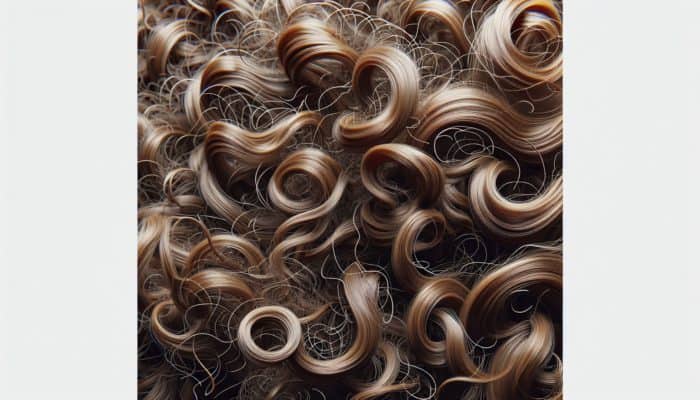
Choosing the correct cream for frizz control is essential in the battle against frizz, which manifests as an unwanted texture in hair when the cuticles—the outer protective layer—become raised. This situation results in a dry and frizzy appearance that complicates styling efforts. When the cuticles are elevated, they create a rough surface that disrupts the hair’s natural smoothness, making it particularly challenging for those with curly or wavy hair. This can distort curls, rendering them poofy and undefined. To effectively combat frizz, it is vital to understand its root causes, empowering you to select an appropriate frizz-control cream that meets your specific hair type and individual needs.
What Are the Primary Factors That Lead to Frizz in Hair?
A multitude of factors contributes to the occurrence of hair frizz, including environmental conditions such as humidity, damage inflicted by heat styling tools, and the adverse effects of harsh chemical treatments. Elevated humidity levels can cause hair to absorb excess moisture from the atmosphere, leading to the swelling of the hair shaft and subsequently resulting in frizz. Furthermore, regular use of heat styling tools can compromise the integrity of hair, leading to raised cuticles and increased frizz. Chemical processes, such as bleaching or perming, strip away crucial oils and moisture, exacerbating frizz issues. Recognising these triggers is vital for selecting a robust cream that effectively targets your unique frizz causes, promoting healthier and more manageable hair.
How Does Humidity Influence Hair Texture and Overall Quality?
Humidity plays a crucial role in transforming hair texture and behaviour, often leading to heightened frizz when moisture levels in the air rise. Exposure to high humidity causes hair to absorb excess moisture, resulting in the swelling of the hair shaft. This swelling elevates the cuticles, leading to a frizzy and unkempt appearance. Understanding how humidity interacts with your specific hair type is essential when selecting a cream that offers effective frizz control. For individuals residing in tropical or coastal areas, frizz can become a persistent issue due to consistently high humidity levels. Opting for a cream that incorporates humidity-resistant ingredients can help maintain a sleek and polished appearance, regardless of environmental conditions.
Professional Insights for Selecting the Most Effective Frizz Control Creams

Which Essential Ingredients Should You Look For in Frizz Control Creams?
Identifying the appropriate ingredients in frizz-control creams can significantly enhance your ability to manage frizz effectively. Here are some important ingredients to consider for optimal results:
- Silicones: These substances create a protective layer around the hair shaft, smoothing the cuticle and resulting in a sleek finish.
- Natural Oils: Oils such as argan, jojoba, and coconut penetrate the hair, delivering hydration and nourishment that combat dryness.
- Humectants: Ingredients like glycerin attract moisture to the hair, helping to maintain hydration levels even in drier conditions.
- Proteins: Hydrolyzed proteins fortify the hair structure and diminish breakage, resulting in smoother strands.
- Anti-frizz Polymers: These create a film around the hair, preventing moisture from penetrating and triggering frizz.
- Vitamins: Ingredients such as Vitamin E nourish both the hair and scalp, promoting overall hair health.
Familiarising yourself with these critical ingredients can guide you towards products that not only promise frizz control but also enhance your hair’s overall well-being, ensuring it looks and feels its best.
How Can You Evaluate the Quality of Frizz Control Creams?
Assessing the quality of frizz-control creams involves several actionable steps that help ensure you avoid spending money on ineffective products. Begin by examining the ingredient list closely; reputable creams typically include a blend of beneficial components mentioned earlier. Look for products with a high concentration of natural oils and humectants, as these elements are crucial for maintaining moisture balance. Next, consider customer reviews and testimonials; products with high ratings and positive feedback often prove to be effective. Additionally, evaluate the cream’s texture and consistency; it should be lightweight enough to avoid weighing hair down yet rich enough to provide adequate moisture. Finally, pay attention to the brand’s reputation; established brands generally invest in quality formulations and rigorous testing to ensure reliability and efficacy.
What Are the Best Methods for Applying Frizz Control Cream?
The technique for applying frizz control creams significantly influences their effectiveness. For optimal results, apply the cream to damp hair after washing, as this method helps to lock in moisture. Use a small amount—roughly the size of a coin—rubbing it between your palms before distributing it evenly throughout your hair, concentrating on the mid-lengths and ends, which are typically the most frizz-prone areas. For those with thicker or curlier hair, a slightly larger amount of product may be necessary. Techniques such as scrunching, twisting, or smoothing can facilitate better distribution of the cream. Additionally, employing a wide-toothed comb can assist in spreading the product evenly without exacerbating frizz. Remember, using the correct technique can amplify the cream’s benefits, ensuring your hair appears smooth and polished.
What Mechanisms Do Frizz Control Creams Use to Minimise Frizz?
Understanding the Science Behind Frizz Control Formulations
Frizz-control creams function through a multifaceted approach to hair management. Primarily, these creams coat the hair shaft to smooth the cuticle, which is essential for preventing moisture absorption that leads to frizz. The formulation typically contains a blend of humectants that attract and retain moisture, alongside emollients that provide a sleek finish. By creating a protective barrier, these creams effectively shield hair from environmental factors such as humidity and heat. This scientific methodology not only reduces frizz but also enhances hair health, making it more resilient against future damage, ultimately resulting in a more manageable and attractive hairstyle.
What Varieties of Frizz Control Creams Are Available in the Market?
The market provides a diverse selection of frizz-control creams, each designed to address specific hair concerns and types. Leave-in conditioners offer moisture, detangle hair, and effectively ward off frizz. Styling creams typically possess a thicker consistency and are ideal for defining curls or waves while simultaneously smoothing out frizz. Conversely, serums are lightweight oils that can enhance shine and control frizz without weighing hair down. Understanding the various options available is crucial for selecting the most appropriate choice for your unique hair needs. Each type serves a distinct purpose, and choosing the right formulation can greatly enhance your overall hair care routine.
What Factors Contribute to the Effectiveness of Frizz Control Creams?
The effectiveness of a frizz-control cream largely relies on its formulation. A quality cream should amalgamate hydrating, smoothing, and protective ingredients. Hydration is critical; creams that incorporate humectants and natural oils will help maintain moisture levels, thereby reducing frizz. Smoothness is achieved through silicones and emollients, which fill in gaps within the hair cuticle and create a sleek surface. Protection from environmental stressors, such as UV rays and pollution, is equally vital; ingredients that provide a barrier can defend against elements that exacerbate frizz. An effective cream will not only tackle immediate frizz but also support long-term hair health, leading to beautiful, manageable hair.
What Are the Primary Benefits of Using Frizz Control Creams?
Boosting Hair Manageability with Frizz Control Creams
One of the most notable advantages of using frizz control creams is the significant enhancement in hair manageability. These products streamline the styling process, making combing easier and greatly reducing tangling. When hair is smooth and adequately hydrated, it becomes much more manageable, thereby minimising the time spent on daily hair routines. This ease of styling not only saves valuable time but also reduces the potential for heat damage from over-reliance on styling tools. Furthermore, with the right cream, achieving your desired hairstyles becomes effortless, resulting in a more enjoyable and fulfilling hair care experience that boosts your overall confidence.
How Do Frizz Control Creams Improve Hair Aesthetics?
Utilising frizz-control creams can lead to a remarkable enhancement in your hair’s overall appearance. These creams often result in smoother, shinier strands that significantly elevate your aesthetic appeal. The sleek finish delivered by quality creams can boost your confidence, as hair plays a crucial role in personal self-image. Moreover, minimising frizz helps retain curl definition, while straight hair achieves a polished, salon-like finish. In various social contexts, this visual improvement can make a notable difference, positively impacting your overall presence and self-esteem.
What Are the Long-Term Advantages of Regularly Using Frizz Control Creams?
Consistent use of frizz-control creams can yield numerous long-term benefits, particularly in maintaining hair health and appearance. Over time, regular application can decrease hair damage caused by environmental factors, styling practices, and chemical treatments. By keeping hair hydrated and protected, these creams can enhance its natural texture, leading to improved smoothness and reduced frizz over time. This sustained care not only simplifies your hair management routine but also encourages healthier hair growth, allowing individuals to embrace their natural hair texture without the constant worry of styling and frizz control.
How Do Frizz Control Creams Guard Against Humidity?
Frizz-control creams are particularly advantageous for individuals living in humid climates, as they create a protective barrier that shields hair from moisture in the air. This layer of protection helps prevent hair from swelling and cuticles from lifting, effectively maintaining a sleek and polished appearance. Whether facing a hot summer day or damp winter conditions, a high-quality frizz-control cream can safeguard your hairstyle and keep frizz at bay. This level of protection is essential for those who desire to maintain a refined appearance, regardless of the unpredictable weather challenges they might encounter.
Research-Driven Insights into the Advantages of Frizz Control Creams
What Do Research Studies Indicate About the Effectiveness of Frizz Control Products?
Research consistently highlights the efficacy of specific ingredients in frizz-control creams, demonstrating their ability to significantly reduce frizz and enhance hair smoothness. Studies have shown that formulations containing silicones and natural oils effectively coat the hair shaft and seal in moisture, leading to improved texture. For instance, clinical trials indicated that participants using specific silicone-based creams experienced up to a 60% reduction in frizz with regular use. These findings underscore the importance of selecting creams with proven ingredients to achieve optimal hair results and maintain a polished appearance.
What Recommendations Do Dermatologists Provide for Effective Frizz Control?
Dermatologists frequently suggest specific ingredients that are beneficial for various hair types and differing levels of frizz. For example, individuals with fine hair may benefit from lighter formulations that include proteins and humectants, which nourish without weighing hair down. In contrast, those with thicker, coarser hair types may require richer creams that incorporate oils and silicones for enhanced hydration. Consulting a dermatologist about your unique hair characteristics can help you identify the most effective cream for your needs, ensuring you select products that yield the best results for your hair.
How Important Is Consumer Feedback and Reviews on Frizz Control Products?
Customer reviews offer invaluable insights into the real-world performance of frizz control creams. Prospective buyers should pay close attention to feedback regarding product effectiveness, texture, and fragrance. Reviews often highlight the experiences of users with similar hair types, making it easier to gauge how a product might perform for you. By examining both positive and negative reviews, consumers can make informed decisions and discover creams that truly deliver on their promises. This real-world feedback is essential in a market overflowing with options, assisting you in avoiding ineffective products and finding the right solution for your frizz concerns.
What Are the Long-Term Effects of Using Frizz Control Creams?
Research indicates that regular use of frizz-control creams can lead to sustained improvements in hair texture and manageability. Users who incorporate these creams into their routine often report healthier-looking hair with diminished frizz and an overall improved appearance. As hair becomes less susceptible to damage and retains optimal moisture levels, the natural texture may also improve, resulting in a more effortless styling experience. Long-term benefits extend beyond aesthetics; healthier hair contributes to heightened confidence and a more positive self-image, allowing individuals to embrace their hair’s natural beauty.
Essential Tips for Selecting the Right Frizz Control Cream
How to Determine Your Hair Type for Optimal Product Selection
Understanding your hair type is crucial for selecting the ideal frizz-control cream, as each type has unique needs and characteristics. For example:
- Straight Hair: Typically benefits from lightweight creams that provide moisture without weighing it down.
- Wavy Hair: Thrives on creams that enhance wave definition while simultaneously controlling frizz.
- Curly Hair: Requires thicker creams that offer extra moisture and definition to maintain curl integrity.
- Coily Hair: Often necessitates rich creams with a high oil content that deeply nourish and mitigate frizz while enhancing curl definition.
By identifying your hair type and its specific needs, you can select a cream that effectively addresses your unique frizz concerns and improves your hair’s health and appearance.
What Key Factors Should You Keep in Mind When Purchasing Frizz Control Cream?
When selecting a frizz-control cream, several factors should be considered to ensure it meets your personal needs and preferences. First, closely examine the ingredient list; opt for products that combine hydrating and smoothing components for effective results. Secondly, review product feedback; positive testimonials from users with similar hair types can indicate the cream’s efficacy. The price point is also critical; while premium products may offer superior formulations, effective options are available across various price ranges to suit different budgets. Finally, pay attention to the cream’s consistency; it should complement your hair’s texture without causing greasiness or weighing it down excessively.
What Is the Role of Trial and Error in Finding the Right Frizz Control Cream?
Finding the best frizz control cream may involve some trial and error. Given that individual hair characteristics can vary significantly, what works wonders for one person may not yield the same results for another. Begin by testing a small selection of products and observe your hair’s response over several weeks. Pay attention to how each cream interacts with your hair type and lifestyle factors such as climate and styling habits. This process may require some patience, but through experimentation, you can pinpoint the cream that effectively addresses your frizz concerns and enhances your hair’s overall well-being and appearance.
Frequently Asked Questions (FAQs)
What Causes Frizz in Hair?
Frizz occurs when the outer layer of the hair cuticle lifts, often due to moisture in the air, resulting in a rough texture and unmanageable hair.
How Can I Achieve Permanent Frizz Reduction?
While no product can permanently eliminate frizz, consistent use of high-quality frizz-control creams, combined with effective hair care practices, can significantly diminish its visibility and improve manageability.
What Ingredients Should Be Avoided in Frizz Control Creams?
Avoid creams that contain high alcohol content, as they can dehydrate hair, and steer clear of heavy silicones that may excessively weigh hair down, hindering proper styling.
Can Excessive Use of Heat-Styling Tools Increase Frizz?
Yes, frequent use of heat-styling tools can damage the hair cuticle, leading to raised cuticles and increased frizz, complicating styling efforts.
How Often Should I Apply Frizz Control Cream?
Apply frizz control cream every time you wash your hair to maintain hydration and smoothness, adjusting the frequency based on your hair’s specific needs and environmental factors.
Is It Acceptable to Use Frizz Control Cream on Dry Hair?
Yes, many creams can be applied to dry hair for touch-ups and added moisture throughout the day, particularly in humid conditions where frizz is more likely to occur.
Can Different Hair Products Be Mixed for Enhanced Results?
Mixing products can sometimes improve results; however, exercise caution, as combining too many heavy products may weigh hair down and cause greasiness, diminishing styling effectiveness.
Are Natural Frizz Control Creams Effective?
Many natural frizz control creams can be quite effective, especially those that contain oils and humectants, providing hydration without harsh chemicals that can damage hair.
Do Frizz Control Creams Work for All Hair Types?
Most frizz-control creams are designed to suit various hair types, but it is essential to select one that aligns with your specific hair needs for the best results and effectiveness.
Is Daily Use of Frizz Control Cream Recommended?
Using a frizz-control cream daily is generally safe; however, adjust the amount based on your hair’s response to prevent product buildup and maintain healthy hair.
Connect with us on Facebook!
The Article: Choosing Cream For Frizz Control: A Universal Guide appeared first on Amitys Hair Salon.
The Article Frizz Control Cream: Your Essential Guide to Smooth Hair Was Found On https://limitsofstrategy.com
References:
https://homerenonews.com.au/frizz-control-cream-the-ultimate-solution-for-smooth-hair/