Essential Steps to Evaluate Your Space for an Ideal Golf Simulator Setup
Taking Precise Room Measurements for Your Simulator Installation
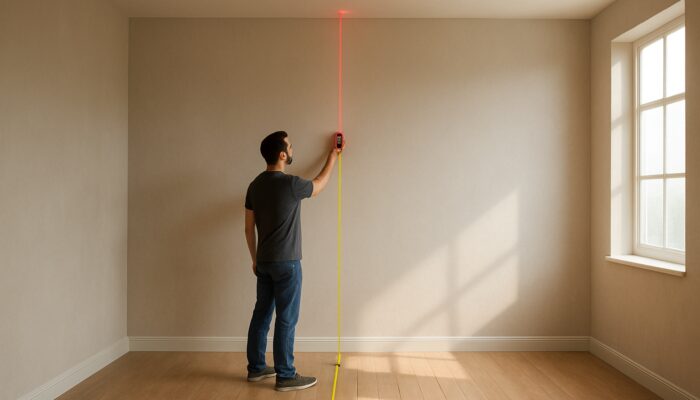
Before committing to a golf simulator, accurately measuring the designated installation area is crucial. Start by recording the length, width, and height of the space where the simulator will be set up. Ensure there is adequate room for a full swing, which typically requires a ceiling height of at least 2.5 to 3 metres. assess the flooring; a level surface is essential for precise readings and to maintain the integrity of the simulator.
In South Africa, where residential layouts can vary significantly, pay attention to any furniture or fixtures that could obstruct your swing. If you are converting a garage or a spare room, inspect for any wall or ceiling irregularities that may affect the installation. Gathering these measurements in advance can help you avoid costly modifications later on and ensure a seamless integration of your golf simulator into your home.
What Role Does Ventilation Play in Your Simulator Room?
Proper ventilation is vital in the room chosen for your golf simulator, especially given the warm climate prevalent in South Africa. Limited airflow can lead to overheating of the equipment during extended practice sessions, which can adversely affect performance or even cause damage. Ensure the room has windows or an air conditioning unit to maintain a comfortable temperature while you practice.
Consider adding fans or air purifiers to enhance airflow, particularly if you anticipate long practice sessions. A well-ventilated room not only safeguards your equipment but also elevates your overall practice experience.
Considering Future Upgrades for Your Simulator Setup
When choosing a golf simulator, contemplate potential upgrades you may desire in the future. You might want to integrate accessories such as extra mats, screens, or advanced software packages down the line. By planning for these enhancements during your initial setup, you can avoid costly rearrangements or adjustments later on.
Reflect on your space’s layout and how it might accommodate these future upgrades. For example, if you envision adding a putting green or advanced technology, ensure your current setup allows for straightforward integration. This proactive approach will help you develop a versatile practice area that evolves alongside your skills and interests.
Which Budget Options Best Suit Your Needs?
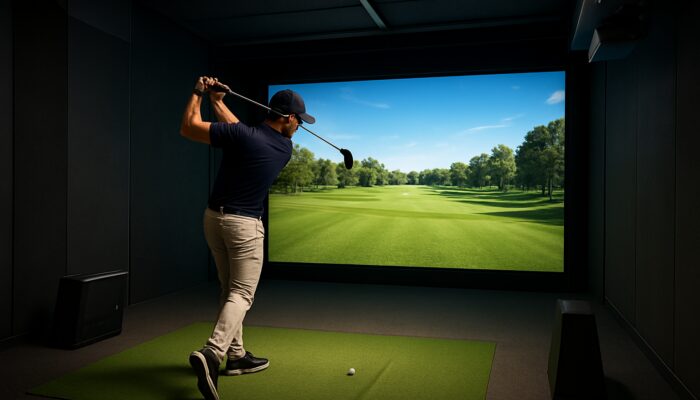
Understanding Entry-Level Golf Simulators
Entry-level golf simulators provide an excellent starting point for newcomers eager to explore the sport without a significant financial investment. These models typically offer basic tracking features at a more reasonable price, making them ideal for those just embarking on their golfing journey. They deliver essential metrics like distance and ball speed, allowing you to refine your skills without overspending.
In South Africa, various brands offer entry-level options designed specifically for local players. By comparing features and prices, you can identify a model that aligns with your needs and budget. This approach enables you to gain valuable experience before deciding to invest in more advanced technology in the future.
What Hidden Costs Should You Be Aware Of?
When budgeting for your golf simulator, it is vital to consider hidden costs that may not be immediately apparent. Beyond the initial purchase price, account for expenses such as software subscriptions, installation fees, and potential repairs. These costs can accumulate over time, so it is wise to incorporate them into your overall budget.
For example, certain simulators may require annual updates or additional features that incur extra costs. If you prefer not to handle DIY installation, hiring a professional may also add to your expenses. Being aware of these hidden costs will empower you to make an informed decision and avoid unexpected financial burdens later.
How to Identify Reliable Local Suppliers for Your Simulator

Purchasing your golf simulator from local suppliers offers several significant advantages. Here are a few reasons to consider sourcing from local vendors:
- Faster delivery times, allowing you to start using your simulator sooner.
- Access to after-sales service and knowledgeable support.
- Potential local warranties tailored for regional conditions.
- Opportunities to test the equipment in-store before making a purchase.
Choosing local suppliers not only supports your community but also enhances your overall buying experience. Building a relationship with the retailer can prove beneficial for future upgrades or maintenance needs.
Expert Insights for Selecting the Ideal Golf Simulator
Perspectives from Local Players on Simulator Selection
Gathering insights from South African players regarding their golf simulator choices can be incredibly beneficial. Many local users emphasise durability due to the diverse weather conditions experienced across the country. For instance, players in coastal areas may require simulators that can withstand humidity, while those in arid regions might seek dust-resistant models.
Compatibility with popular local courses is another vital consideration. Many players prefer simulators that accurately replicate courses like Sun City or Fancourt. This local relevance enhances practice effectiveness and enjoyment, making the simulator selection more aligned with their preferences.
Steps for Effectively Testing Simulators
Visiting showrooms to test golf simulators in person is a crucial step before making a purchase. This hands-on experience allows you to evaluate aspects such as user-friendliness, sensor accuracy, and overall feel. Spend time experimenting with different models, paying attention to how well they track your shots and the quality of the feedback provided.
Consider bringing your own clubs to test the simulator with equipment you are familiar with. This will help you gauge how the simulator responds to your swing. Engaging in this testing process enables you to make a more informed decision that aligns with your playing style and preferences.
Assessing Durability as a Critical Factor
When investing in a golf simulator, durability should be a primary consideration. Review warranty terms and evaluate the build quality, particularly for models intended for frequent use in residential settings. Look for simulators constructed from high-quality materials that can endure regular wear and tear, ensuring their longevity.
Researching user reviews can provide valuable insights into how well a simulator performs over time. Pay attention to feedback regarding the durability of screens, sensors, and other components. This information will assist you in selecting a model that meets your needs and stands the test of time.
How to Evaluate Technology Options for Your Simulator?
Assessing Sensor Accuracy
High-quality sensors are vital in a golf simulator, as they ensure realistic ball flight data and consistent feedback. When evaluating different models, look for simulators equipped with advanced tracking technology capable of accurately measuring parameters such as launch angle, spin rate, and club speed. This level of detail is essential for improving your game over time.
In South Africa, where many players are eager to enhance their skills, having precise data can significantly improve performance. It allows you to identify areas for improvement and effectively monitor your progress. Investing in a simulator with reliable sensors will elevate your practice sessions and ultimately lead to better performance on the course.
Identifying Key Software Features
The software accompanying your golf simulator can profoundly impact your overall experience. Look for user-friendly interfaces that offer a variety of game modes. Features like course simulations, practice drills, and multiplayer options can keep your practice sessions dynamic and engaging.
Regular software updates are essential to ensure you have access to the latest features and enhancements. Some simulators provide cloud-based services for easy updates and new content. By prioritising these software features, you can enrich your practice experience and maintain your skills.
Choosing Between Projector and Screen Setups
Deciding between a projector and screen setup or an integrated display requires careful consideration of factors like image clarity and available space. Projectors can create larger images, which is advantageous if you have sufficient room. Ensure you select a bright projector, as it will perform better in environments with some ambient light.
Conversely, a high-quality screen can deliver excellent image clarity and colour accuracy. Assess your room’s lighting conditions and dimensions when making this choice. Both setups have distinct advantages, so weigh your options based on your specific requirements and preferences.
Considering Long-Term Maintenance Costs
When reviewing technology options for your golf simulator, it is crucial to consider long-term maintenance costs. This includes ongoing support needs, warranty duration, and the availability of spare parts. A reliable simulator should come with a comprehensive warranty that covers potential issues, providing peace of mind.
Seek out local service centres that can assist with repairs and maintenance. Understanding these costs upfront can help you avoid unforeseen expenses in the future. By investing in a simulator that offers solid support and maintenance options, you ensure a smooth and enjoyable experience for years to come.
Advantages of Using a Golf Simulator
Real-World Examples of Skill Improvement
Research shows that consistent use of golf simulators can lead to significant enhancements in skills, particularly in swing consistency. Players who practice regularly on simulators often notice improvements in their game, as they can focus on specific areas without the constraints of weather or course access.
In South Africa, where seasonal changes can affect outdoor play, simulators provide a valuable alternative. Players can refine their techniques during the off-season, ensuring they return to the course ready to perform. This consistent practice reinforces muscle memory and boosts overall performance.
Effective Strategies for Combining Indoor and Outdoor Practice
Integrating simulator sessions with outdoor play creates a comprehensive training regimen. To maximise your progress, establish specific objectives for both indoor and outdoor practice. For instance, concentrate on technical skills during simulator sessions and apply those skills on the course.
Utilising nearby facilities for outdoor play can introduce variety into your training routine. Schedule regular visits to local courses, allowing you to implement what you’ve mastered in the simulator. This integration enhances your skills while maintaining an enjoyable and engaging practice experience.
Expert Insights on Performance Tracking
Leveraging data reports from your golf simulator can help you establish measurable improvement goals over time. Many simulators provide detailed analytics that enable you to monitor your progress and identify areas needing growth. By analysing metrics such as shot accuracy and distance, you can develop a customised practice plan.
Consider setting both short-term and long-term goals based on this data. For example, aim to enhance your average distance or eliminate your slice within a specific timeframe. Regularly reviewing your performance will keep you motivated and focused on your development as a golfer.
Essential Maintenance for Your Simulator Over Time
Establishing Regular Calibration Sessions
To ensure the accuracy of your golf simulator, it is crucial to schedule regular calibrations. Periodic checks will guarantee that the tracking systems remain precise, preventing drift that could affect your practice results. Many manufacturers recommend calibrating your simulator every few months, depending on usage.
Creating a routine for these calibrations can help you stay on top of maintenance. If you notice any inconsistencies in performance, it may be time for recalibration. Keeping your simulator in optimal condition will enhance your practice sessions and maximise your investment.
Proper Cleaning of Your Simulator Components
Maintaining cleanliness in your golf simulator’s components is vital for its longevity. Use appropriate materials to clean screens and sensors, as harsh chemicals can cause damage. Microfiber cloths and gentle cleaning solutions are typically recommended to keep surfaces free from dust and smudges.
Regular maintenance not only prolongs the life of your equipment but also ensures optimal performance. Develop a cleaning schedule that aligns with your usage patterns, making it a habit to inspect your simulator regularly. This proactive approach will help you avoid potential issues in the future.
Keeping Firmware Updated
Maintaining your simulator’s software is essential for accessing new features and resolving any bugs that may emerge during regular operation. Manufacturers frequently issue firmware updates to improve performance and address user concerns.
Regularly checking for updates will ensure that you’re benefiting from the latest advancements. Staying current with firmware can significantly enhance your overall experience, equipping you with the best tools to improve your game.
Final Steps to Finalise Your Purchase Decision
Thoroughly Reviewing Warranty Information
Before completing your purchase, carefully review the warranty information. A solid warranty protects against defects and offers peace of mind regarding your chosen model. Look for warranties that cover both parts and labour, along with any specific conditions that may apply.
Understanding the warranty terms can help you make an informed choice. If possible, opt for a model with an extended warranty, particularly for equipment that will see heavy use. This additional protection secures your investment, allowing you to focus on improving your game.
Exploring User Feedback from Fellow Golf Enthusiasts
Reading reviews from other local buyers can provide valuable insights into the performance and reliability of various golf simulators. User feedback often highlights real-world experiences, allowing you to assess how well a model performs under conditions similar to your own.
Consider visiting online forums or social media groups focused on golf in South Africa. Engaging with fellow players can help you gather opinions and recommendations based on their experiences. This peer feedback can be instrumental in guiding your final decision.
Coordinating Professional Installation for Optimal Setup
Hiring professionals to install your golf simulator ensures that the system is set up correctly from the start. Here are some key benefits of professional installation:
- Expertise in managing complex setups, ensuring everything functions correctly.
- Time-saving, allowing you to focus on enjoying your game instead of the installation process.
- Reduced risk of damage to equipment during setup.
- Access to professional guidance on optimal placement and configuration.
By arranging for professional installation, you can be confident that your simulator is set up for success.
Assessing Overall Value and After-Sales Support
When finalising your decision, consider not only the initial price but also the quality of customer service and the availability of spare parts in your area. A strong value proposition includes reliable after-sales support that can assist with any issues that may arise.
Evaluate the complete package when comparing different models. Look for brands that offer robust customer support and have a reputation for standing behind their products. This will help ensure that you select a model suited to South African conditions and provides a positive experience over time.
Commonly Asked Questions
What is a golf simulator?
A golf simulator is a technology-based system that enables players to practice their golf skills indoors. It utilises sensors and software to monitor ball flight and provide performance feedback.
What space requirements are needed for a golf simulator?
Generally, you need a minimum space of approximately 3 metres in width, 4 metres in length, and 2.5 to 3 metres in height to comfortably accommodate a golf simulator.
Are entry-level simulators a worthwhile investment?
Absolutely, entry-level simulators provide an excellent option for beginners to start practising without a large financial commitment. They offer essential tracking features that facilitate skill improvement.
What should I prioritise when choosing a golf simulator?
Focus on sensor accuracy, software features, durability, and warranty options. Consider how well the simulator fits your space and meets your specific needs.
Can I use my own clubs with a simulator?
Most simulators are designed to be compatible with standard golf clubs, enabling you to practice with your own equipment for a more familiar experience.
How often should I calibrate my simulator?
It is advisable to calibrate your simulator every few months or whenever you notice inconsistencies in tracking performance.
What maintenance costs are associated with simulators?
Maintenance costs may include calibration, cleaning, software updates, and potential repairs. Be sure to consider these in your overall budget when selecting a simulator.
Can I experience real golf courses on a simulator?
Many simulators come equipped with software that includes realistic simulations of famous golf courses, allowing players to enjoy their favourite courses indoors.
How can I effectively integrate simulator practice with outdoor play?
Set specific goals for both indoor and outdoor practice. Use simulator sessions to work on technical skills and apply those skills on the course for a balanced training approach.
What steps should I take if my simulator malfunctions?
Consult the warranty details and reach out to customer support for assistance. Many manufacturers provide troubleshooting guides to help resolve common issues.
Visit our Facebook profile now!
The Article How to Choose a Golf Simulator: Expert Advice for Players First Published On: https://golfdaybuddy.com
The Article Choose a Golf Simulator: Expert Tips for Players Was Found On https://limitsofstrategy.com