Enhance Your Culinary Skills with Exquisite Pan Sauces
Essential Ingredients for Creating Flavourful Sauces

Crafting remarkable pan sauces begins with a solid grasp of the essential ingredients that draw out rich flavours from pan drippings and aromatic components. Achieving a delicate balance between acidity and fat is crucial, allowing for a wide range of culinary creations inspired by Australian culinary traditions. By mastering these interactions, you can elevate your dishes significantly.
The key to a successful pan sauce is the fond, the delightful remnants left in the pan after searing meat. These concentrated flavour fragments form the backbone of your sauce. By deglazing the pan with a liquid, you release these deep flavours, adding complexity and richness to your culinary offerings.
Adding aromatics like shallots, garlic, or fresh herbs can further enhance the character of your sauce. Striking the right balance among these components is essential to accentuate the main ingredient without overwhelming it. This skill is crucial for both novice cooks and experienced chefs alike.
Selecting Premium Ingredients for Outstanding Sauces
Choosing fresh, high-quality ingredients is vital for enhancing your pan sauces. Shallots, for example, provide a subtle sweetness that complements the overall flavour without overshadowing the meat. Similarly, using top-notch butter is essential, as it adds richness and a velvety mouthfeel to the sauce.
When sourcing ingredients, prioritising local produce whenever feasible is beneficial. Fresh fruits and vegetables not only support local farmers but also guarantee the best flavours. This consideration is especially important in Australia, where vibrant markets showcase a diverse array of seasonal produce.
Do not overlook the significance of your stock or broth. Homemade stock can vastly improve your sauce, offering a robust base often lacking in store-bought alternatives. By focusing on high-quality ingredients, you establish a solid foundation for crafting truly exceptional pan sauces.
Common Pitfalls to Avoid When Making Sauces
One prevalent mistake in crafting pan sauces is applying excessive heat too quickly. This can lead to burning the essential flavour-building residues. Instead, allow the sauce to simmer gently, facilitating the gradual extraction of flavours and resulting in a well-balanced sauce devoid of burnt notes.
Another frequent oversight is neglecting the deglazing step. Skipping this process means missing out on the concentrated flavours that cling to the pan. Always choose an appropriate liquid, such as wine or stock, to lift these flavourful bits and incorporate them into your sauce.
Failing to taste and adjust your sauce during the cooking process can result in an unbalanced final product. Regular tasting allows for necessary adjustments, whether adding salt, acidity, or sweetness to achieve the desired flavour profile.
Mastering Reduction Techniques for Intensified Flavours
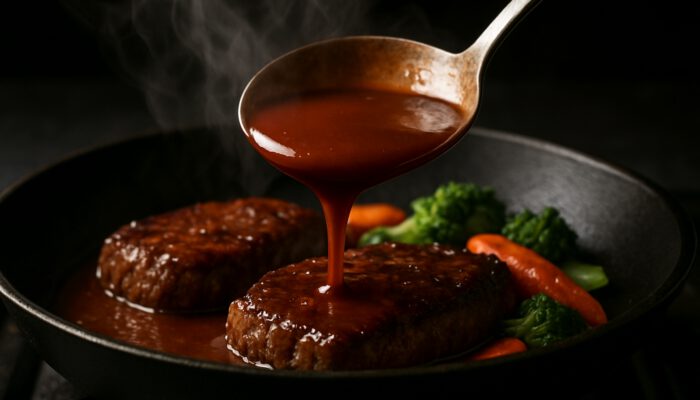
The art of reduction is crucial for creating a pan sauce that boasts a smooth texture and intensified flavours. By carefully managing the simmering process, you allow the liquids to thicken naturally, enhancing the mouthfeel. This method works particularly well for sauces accompanying meats and vegetables.
To master the reduction process, begin by bringing your sauce to a gentle boil, then lower the heat to maintain a steady simmer. This controlled environment enables the evaporation of water content while intensifying flavours. Watch the sauce’s viscosity; it should coat the back of a spoon when it reaches the right thickness.
Experimenting with different reductions can lead to exciting flavours. For instance, a reduced red wine sauce pairs exquisitely with beef, while a citrus reduction perfectly complements chicken or fish. The versatility of reduction techniques makes them indispensable in any cook’s arsenal.
Which Ingredients Amplify the Flavours of Pan Sauces?
Elevating Flavours with Fresh Herbs
Introducing fresh herbs at the right moment can significantly enhance the flavour of your pan sauces. Herbs such as thyme and rosemary, when added toward the end of cooking, retain their vibrant notes and aromatic properties. This technique beautifully enriches roasted proteins, accentuating their natural flavours.
Chopped parsley adds another excellent finishing touch, contributing freshness and a splash of colour. The key is to incorporate herbs just before serving, allowing their essential oils to release without losing potency through extended cooking. This strategy guarantees that your sauce remains lively and fragrant.
Exploring various herb combinations can yield delightful outcomes. For example, pairing basil with tomato-based sauces or dill with fish sauces can create unique flavour profiles. The adaptability of herbs opens up endless culinary possibilities.
Achieving Bright Flavour Profiles through Acidity Balance
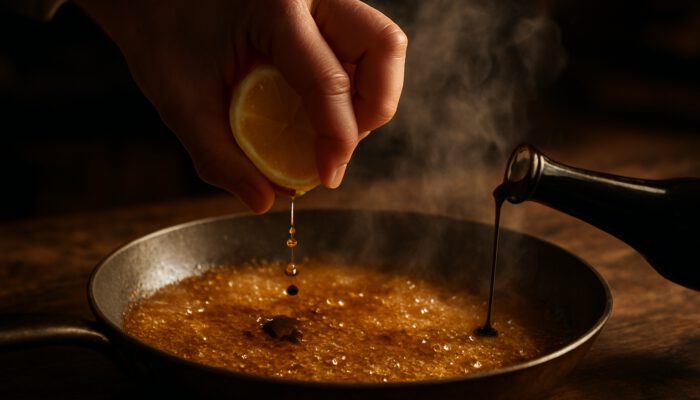
Acidity plays a crucial role in balancing the flavours of your pan sauce. Adding vinegar or citrus reductions can elevate heavier flavours, resulting in a well-rounded final product. A splash of balsamic vinegar or a squeeze of lemon can transform a mundane sauce into a vibrant accompaniment.
When incorporating acids, it’s important to do so gradually. Start with a small quantity, tasting as you proceed, to avoid overwhelming the sauce. The goal is to enhance flavours without making them overly tart or sharp. Achieving the right balance can significantly uplift your dish.
Different types of acids impart distinct characteristics to your sauce. For instance, white wine vinegar brings a crisp brightness, while sherry vinegar offers a more complex, nutty flavour. Mastering the balance of these elements is essential for refining your pan sauce techniques.
Enhancing Savoury Depth with Umami Ingredients
Umami enhancers such as mushroom powder or soy sauce can enrich your pan sauces with depth and savoury notes. These ingredients elevate the overall flavour profile, transforming even simple dishes into gourmet experiences. A dash of soy sauce, for example, can amplify a sauce’s richness without dominating its essence.
When adding umami boosters, moderation is key. Incorporate these ingredients gradually while tasting to ensure the umami enhances rather than overwhelms the sauce.
Ingredients like miso or Parmesan cheese can also provide that savoury lift. Each umami enhancer presents its unique profile, allowing for a range of flavours adaptable to various proteins and cooking methods. This versatility makes umami an invaluable element in your culinary toolkit.
Expert Insights on Pan Sauce Techniques and Recipes
Timing Reductions for Perfect Thickness
Carefully monitoring the timing of your sauce reduction is essential for achieving a thickness that elegantly coats proteins. Start by bringing your sauce to a boil, then reduce the heat to a gentle simmer. This approach allows for a gradual thickening process, intensifying flavours without risking burning.
To assess the right viscosity, use the back of a spoon as your guide. When the sauce coats the spoon and leaves a clear line when you run your finger through it, you’ve reached the desired thickness. This technique ensures that the sauce adheres beautifully to your meat or vegetables, enhancing the overall presentation.
The timing will vary based on the ingredients and desired thickness. Keep a close eye on the sauce as it reduces, adjusting the heat as needed to maintain a steady simmer. Mastering this process will consistently yield impressive pan sauces.
Advanced Emulsification Techniques for Creamy Sauces
Emulsification is critical for preventing separation in the final stages of your pan sauce. Whisking in cold butter towards the end of cooking creates a luxurious, creamy texture. To achieve this, ensure your sauce is at a lower temperature before adding the butter.
Start by cutting the butter into small cubes and adding them gradually while whisking vigorously. This method helps integrate the fat evenly, forming a stable emulsion that enhances the sauce’s richness. The outcome is a velvety sauce that clings beautifully to your dish.
Another advanced method involves using a blender or immersion blender to emulsify your sauce. This technique can yield an incredibly smooth texture, particularly effective for sauces with a higher fat content. Experimenting with emulsification methods can elevate your pan sauces to restaurant-quality standards.
Best Practices for Storing Leftover Sauces
Implementing proper storage techniques after cooking preserves the quality of your pan sauces for future enjoyment. Allow the sauce to cool completely before transferring it to an airtight container. This helps prevent condensation, which could dilute the flavours.
Refrigerating your sauce will keep it fresh for several days, while freezing can significantly extend its shelf life. When reheating, do so gently over low heat, adding a splash of stock or water to restore the desired consistency if necessary. This practice ensures that your sauce retains its original flavour and texture.
Consider labelling your containers with the preparation date and contents to keep track of your sauces. This simple step helps reduce waste and ensures you savour your culinary creations at their best. By adhering to these storage guidelines, you can enjoy your pan sauces long after they’ve been prepared.
How Can You Modify the Consistency of Your Pan Sauce?
Utilising Thickening Agents for Optimal Texture
Thickening agents are essential for achieving the right consistency in your pan sauces. Cornflour slurries are a reliable choice when added gradually while stirring continuously. This method helps prevent lumps and ensures a smooth sauce that perfectly coats your proteins.
To create a cornflour slurry, mix equal parts cornflour and cold water until smooth. Gradually incorporate this mixture into your simmering sauce, whisking constantly until you achieve the desired thickness. This technique provides precise control over the sauce’s body, making adjustments to your preference easier.
Other thickening agents, such as arrowroot or potato starch, can also be effective. Each agent has its unique characteristics, so experimenting with various options can yield exciting results. Understanding how to use these agents effectively allows for versatility in your pan sauce creations.
Identifying and Correcting Thin Sauces
Thin sauces can result from several factors, including insufficient reduction or excessive liquid. If your sauce lacks the desired thickness, simmering uncovered for a longer period can help evaporate excess liquid. This process concentrates flavours while achieving the right texture.
Another common issue is adding too much stock or broth initially. To remedy this, allow the sauce to simmer without a lid, encouraging steam to escape. This technique promotes evaporation, thickening the sauce naturally without requiring additional agents.
Regular taste testing during cooking is crucial. Adjusting seasoning or acidity can significantly influence the perception of thickness. By focusing on these elements, you can create a well-balanced sauce that meets your desired consistency.
Creating Silky Textures in Your Sauces
Straining your sauce through a fine mesh sieve after reduction is an excellent method for achieving a silky texture. This step removes any solids that may disrupt the mouthfeel, resulting in a smooth, luxurious sauce that enhances your dish.
Using a ladle, pour the sauce through the sieve, pressing gently to extract as much liquid as possible. This process ensures that only the refined flavours remain, creating a sauce that is both visually appealing and enjoyable to consume.
Incorporating techniques such as whisking in cold butter or cream can further improve the sauce’s texture. These additions create a velvety mouthfeel that elevates the overall dining experience. By focusing on texture, you can craft pan sauces that are not only delicious but also visually stunning.
Research-Backed Benefits of Pan Sauce Techniques
Health Advantages of Sauce Reductions
Reducing sauces allows for concentrated flavours, enabling smaller portion sizes while still delivering satisfying taste without added calories. This technique can be particularly advantageous for those looking to enhance their meals without sacrificing flavour.
By focusing on the essence of the ingredients, reductions can provide a nutrient-dense option that maximises taste. This approach promotes mindful eating, allowing individuals to savour rich flavours without overindulging.
Incorporating reduced sauces into your meals can also enhance the overall nutritional profile. By utilising fresh ingredients and focusing on flavour, you can create dishes that are both satisfying and health-conscious, supporting a balanced diet.
Key Benefits of Flavour Enhancement Techniques
- Enhanced flavour complexity and richness
- Improved balance of acidity and richness
- Elevated overall dining experience
- Increased versatility across various dishes
- Encouragement of mindful eating
Adapting Techniques for Different Protein Types
Pan sauce techniques are highly versatile and can easily adapt to various protein types, making them a valuable addition to your cooking repertoire. For example, the same base sauce can be adjusted for poultry or beef by varying the choice of herbs and aromatics during deglazing.
When preparing chicken, consider using herbs such as tarragon or sage, which pair beautifully with lighter meats. For beef, robust herbs like thyme or rosemary can enrich the meat’s richness. This adaptability allows for creative freedom in the kitchen while ensuring each dish remains distinct.
Experimenting with different proteins can also lead to exciting flavour pairings. For instance, a citrus-based sauce can elevate grilled fish, while a red wine reduction might be perfect for a hearty steak. Knowing how to adjust your sauces based on the protein enhances your culinary versatility.
Scientific Validation of Flavour Compounds
Research indicates that simmering techniques in pan sauces enhance the bioavailability of essential nutrients from vegetables and herbs. This process not only intensifies flavours but also contributes to improved gut health and better nutrient absorption in everyday diets.
The cooking method facilitates the breakdown of cell walls in vegetables, releasing beneficial compounds that enhance the overall nutritional profile of your meals. This scientific evidence highlights the importance of mastering pan sauce techniques for both flavour enhancement and health benefits.
Incorporating these methods into your cooking can lead to more nutritious meals that support overall well-being. By focusing on flavour compounds and their health impacts, you can create dishes that are both delicious and beneficial.
Support for Effective Weight Management Strategies
Research-backed recipes demonstrate how low-fat pan sauce methods using stock reductions can assist in calorie control. By concentrating on flavour without relying on heavy creams or fats, these techniques promote satiety while supporting sustainable weight loss.
Pairing sauces with balanced meals enhances the overall dining experience, allowing for satisfaction without excess calories. This approach encourages mindful eating, making it easier to enjoy meals while effectively managing weight.
Incorporating pan sauces into your diet provides a satisfying way to enjoy rich flavours without compromising health goals. By utilising reduced sauces, you can create meals that are both delectable and aligned with weight management strategies.
Why Is Temperature Control Crucial in Sauce Preparation?
Monitoring Heat Levels for Optimal Flavour Development
Maintaining precise heat levels is vital for achieving proper caramelisation without scorching delicate components in your pan sauce. Using medium heat allows for controlled cooking, ensuring that flavours develop without burning.
When heating your pan, allow it to reach the appropriate temperature before adding ingredients. This practice ensures that the fond forms correctly, providing the foundation for your sauce. Monitoring heat throughout the cooking process helps prevent undesirable bitterness from burnt bits.
Adjusting the heat as needed during cooking is also crucial. If you notice that the sauce is reducing too quickly or beginning to scorch, lowering the heat can help maintain the desired consistency and flavour. This careful attention to temperature control is essential for successful sauce making.
Strategies to Prevent Separation in Sauces
Preventing separation in your pan sauce is key to achieving a smooth, cohesive final product. Cooling the sauce slightly before adding cold butter ensures that stable emulsions form reliably every time. This technique allows the butter to melt gently, integrating seamlessly into the sauce.
Whisking vigorously while adding the butter is also critical. This action helps emulsify the fat, creating a luxurious texture that enhances the sauce overall. A stable emulsion improves mouthfeel and ensures the sauce clings beautifully to your dish.
If separation occurs, re-emulsifying the sauce can often restore its consistency. Gradually whisking in a small amount of warm liquid can help bring the sauce back together. Understanding these techniques can prevent common issues and lead to consistently impressive results.
Optimal Temperatures for Final Reductions
Reducing the heat towards the end of the reduction process is crucial for preserving volatile aroma compounds essential for flavour. This technique allows the sauce to finish cooking gently, ensuring that delicate aromas are retained rather than dissipated.
As the sauce nears the desired consistency, lower the heat to a low simmer. This gentle cooking method allows for final adjustments in flavour and texture without risking the loss of aromatic qualities.
Frequent tasting during this stage is essential. Adjusting seasoning or acidity can elevate the final product, ensuring that every component harmonises beautifully. This meticulous attention to temperature and flavour balance can elevate your pan sauces to new heights.
Enhancing Final Presentation and Pairing
Garnishing for Visual Appeal
Garnishing your finished sauce can enhance its visual appeal and elevate your dish to restaurant-quality standards. Artistically drizzling the sauce over the protein and topping it with fresh microgreens adds an elegant touch. This simple step transforms a home-cooked meal into a visually stunning presentation.
When garnishing, consider the colour and texture of your ingredients. Bright herbs or edible flowers can create a striking contrast against the sauce, making the dish more inviting. This attention to detail not only enhances presentation but also reflects your care as a cook.
Experimenting with different garnishing techniques can yield exciting results. For instance, a sprinkle of toasted nuts or a dash of citrus zest can add both flavour and visual interest. By refining your garnishing skills, you can create dishes that are as beautiful as they are delicious.
Pairing Sauces with Complementary Side Dishes
Selecting vegetables and side dishes that absorb flavours without competing for attention is vital for crafting a harmonious meal. For example, a rich red wine sauce pairs wonderfully with creamy mashed potatoes, allowing the sauce to shine while enhancing the overall experience.
Consider the flavours of your sauce when choosing sides. A bright citrus sauce pairs beautifully with steamed asparagus or sautéed greens, while a robust mushroom sauce complements earthy root vegetables. This thoughtful pairing enhances the dining experience, allowing each component to shine.
Balancing flavours across the plate is essential. Ensure that your sides do not overshadow the main dish or sauce. By focusing on complementary flavours and textures, you create a well-rounded meal that delights the senses.
Key Advantages of Wine Pairing Suggestions
- Enhances the overall dining experience
- Complements the flavours of the dish
- Encourages exploration of new flavours
- Creates a sense of occasion and enjoyment
Final Tasting for Flavour Refinement
Conducting a final round of tastings is crucial for refining seasoning and sauce intensity. This step ensures that no single element dominates, and all components harmonise perfectly for a memorable dining experience. Tasting at various stages allows you to make necessary adjustments before serving.
When tasting, reflect on the balance of flavours. If the sauce feels overly salty, adding a hint of sweetness or acidity can help counterbalance that. Conversely, if it lacks depth, a pinch of salt or umami booster may enhance the overall profile.
Incorporating seasonal ingredients can also help balance flavours. Fresh produce adds brightness and vibrancy to your sauce, ensuring it reflects the season’s best offerings. By focusing on these elements, you can create a dining experience that is both delightful and memorable.
Utilising Seasonal Ingredients for Freshness
Utilising the freshest seasonal produce available from local markets can amplify natural flavours and support sustainable practices. Seasonal ingredients not only taste better but also contribute to a more vibrant dish.
When selecting ingredients, consider what’s in season in your area. For example, spring offers an abundance of fresh herbs and greens, while autumn provides hearty root vegetables. By making use of these ingredients, you can create dishes that celebrate the season and showcase the best flavours.
Suggesting wine pairings that highlight these vibrant additions can further elevate your dish. A crisp white wine may complement fresh herbs, while a robust red could enhance earthy root vegetables. By focusing on seasonal ingredients and thoughtful pairings, you can create a dining experience that is both fresh and exciting.
Frequently Asked Questions About Pan Sauces
What constitutes a pan sauce?
A pan sauce is a quick sauce made from the drippings left in the pan after cooking meat. It typically involves deglazing the pan with a liquid and reducing it to concentrate flavours.
How can I tell when my pan sauce is done?
Your pan sauce is ready when it has thickened sufficiently to coat the back of a spoon, indicating that the flavours have concentrated properly.
Can I prepare pan sauces ahead of time?
Yes, you can make pan sauces in advance. Store them in an airtight container in the refrigerator and reheat gently before serving.
What liquids are suitable for deglazing?
Various liquids can be used for deglazing, including wine, broth, vinegar, or even fruit juices, depending on your desired flavour profile.
What techniques can I employ to thicken my pan sauce?
You can thicken your pan sauce by further reducing it, adding a cornstarch slurry, or incorporating a small amount of butter at the end.
Are there vegetarian options for pan sauces?
Absolutely! You can create delicious vegetarian pan sauces using vegetable stock, mushrooms, and a variety of herbs and spices to build depth and flavour.
Which herbs are best suited for pan sauces?
Herbs such as thyme, rosemary, parsley, and tarragon work exceptionally well for pan sauces, as they complement various proteins and add fresh flavour.
Can pan sauces be frozen?
Yes, pan sauces can be frozen. Allow them to cool completely, then store them in an airtight container or freezer bag for up to three months.
How can I prevent my sauce from separating?
To prevent separation, add cold butter gradually while whisking, ensuring the sauce remains at a lower temperature to maintain a stable emulsion.
What common mistakes should I avoid when making pan sauces?
Common mistakes include using high heat, neglecting proper deglazing, and failing to taste and adjust seasoning throughout the cooking process.
Join us on Facebook for more updates!
The post Best Recipes for Pan Sauce Techniques: Easy Steps appeared first on https://cookinggods.com
The Article Pan Sauce Techniques: Simple Recipes for Delicious Results Was Found On https://limitsofstrategy.com