What Factors Lead to Power Point Failures?
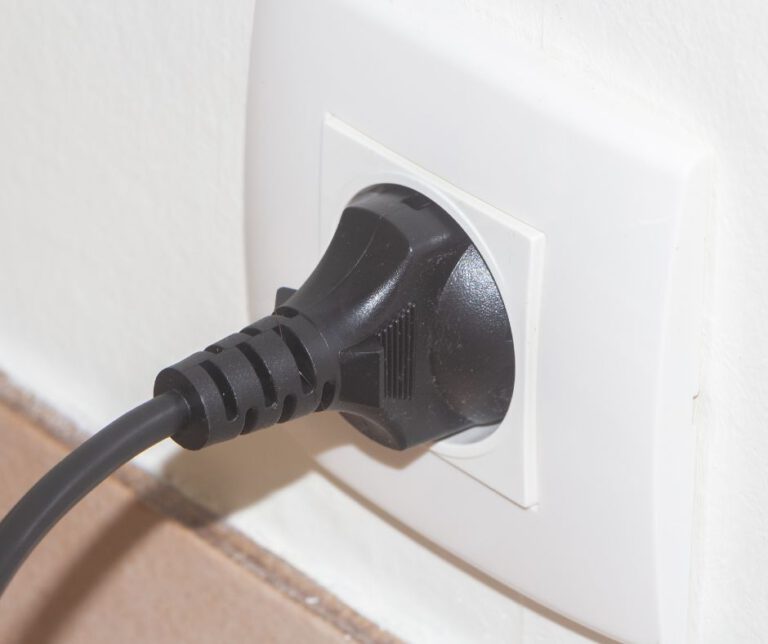
Power points can stop functioning for a variety of reasons. Common culprits include a tripped circuit breaker or safety switch, loose wiring within the socket, a damaged or burnt-out socket, or a faulty appliance connected to that point. If multiple power points are unresponsive at the same time, the issue likely originates from the circuit rather than an individual socket.
How Do You Diagnose a Non-Functional Power Point?
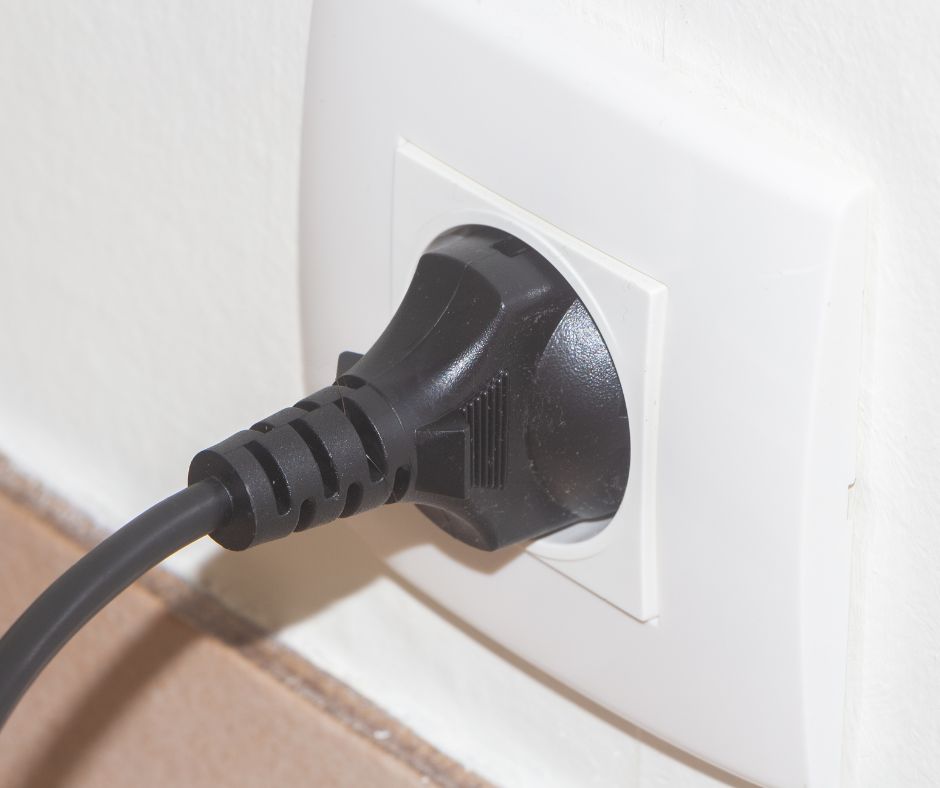
When a power point suddenly stops working, it is natural to suspect the connected appliance, such as a kettle or phone charger. While this may be true at times, the fault could also reside in the outlet or the circuit itself.
In regions like Werribee, Altona, and Tarneit, we frequently deal with faulty power points caused by wear and tear, loose connections, or issues further along the circuit. Below are some safety checks you can perform before contacting an electrician, all of which can be done without removing covers or handling wiring.
1. Is the Problem Isolated to One Power Point or Multiple Points?
Start by assessing the scope of the issue. If only one socket is inactive, it is likely that the fault lies with that specific power point. if an entire wall or room of sockets is not functioning, the problem may originate from the circuit level or the switchboard.
Check Nearby Power Points for Functionality
Plug a lamp or phone charger into adjacent power points on the same wall or in a nearby room. If these outlets work, the issue is likely confined to the one socket. If several sockets are non-functional, you should check the switchboard next.
Test a Known Working Appliance
Use an appliance that you know works properly in another part of the house. If it functions in the suspect power point, the issue lies with the original appliance or its cord, not the outlet. Ensure that the switch on the power point is turned on, as this can easily be overlooked when furniture is present.
2. How to Inspect the Safety Switch and Circuit Breakers
As noted by Energy Safe Victoria, a safety switch monitors the electrical flow through a circuit and disconnects power within 0.03 seconds if it detects any safety issues. A circuit breaker protects against short circuits and overloads, which can occur from overused power points (Energy Safe Victoria, Household wiring). Either device might interrupt power to your sockets.
Access your switchboard and look for any switches that are in the OFF position. Safety switches can be identified by their test button and the “30mA” label. Follow these troubleshooting steps:
- Reset the tripped breaker or safety switch once.
- If it trips again immediately, unplug all devices on that circuit and reset it again.
- If it remains on, reconnect appliances one by one to identify the faulty item.
- If it trips again with no appliances connected, leave it off and contact an electrician.
A switch that trips without any appliances indicates a problem in the wiring, the power point itself, or a hardwired item on that circuit. For further information, refer to our detailed guide on circuit breakers that repeatedly trip. If the problem arises after hours and you cannot leave the circuit off, our emergency electrician service is available 24/7.
Why Do My Power Points Fail While the Lights Remain Functional?
Many switchboards feature separate switches for “Lights” and “Power.” If the power circuit or its safety switch trips, the power points cease to function while the lights continue to operate. If power points are inactive but lights are working, it is crucial to check the switchboard first.
If all switches are in the ON position but the power points still do not work, the issue may arise from a loose connection at one power point affecting others on the same circuit. For widespread issues impacting larger areas of the home, refer to our article on managing situations where half the house has lost power.
3. What Are the Common Reasons Behind Power Point Failures?
Worn-Out Socket
Older power points may experience internal loosening or arcing failures. You might notice that the plug fits loosely or hear clicking sounds, yet the outlet does not supply power.
Loose Connection Behind the Power Point
Over time, wires can loosen from their terminals due to vibrations, age, or improper installation. A loose connection can impair the functionality of a single power point or affect all outlets along the same circuit.
Burnt Terminals
If a plug was loose or an appliance like a heater drew excessive current for extended periods, the socket may overheat and sustain internal damage. Signs include brown or black marks around the pins.
Fault on a Shared Circuit
Power points located in a room or along a wall are often connected to the same circuit. A fault at one socket can disrupt power to multiple outlets, even if the other sockets appear to be functional.
Damage from Drilling or Renovation Work
Have you noticed a power loss right after drilling for shelves? A drill or nail can accidentally sever a cable within the wall. Turn off that circuit at the switchboard and keep it off until a qualified electrician can trace and repair the damaged wiring.
4. When Is It Time to Call in a Professional Electrician?
Energy Safe Victoria warns homeowners against attempting electrical repairs themselves and strongly advises hiring a licensed electrical contractor. Always request a Certificate of Electrical Safety for any work completed (Energy Safe Victoria, Working with tradespeople). If the simple checks mentioned earlier do not resolve the issue, reach out to a licensed electrician if:
- The breaker or safety switch trips each time you try to reset it.
- You notice a burning smell near the power point.
- The outlet feels warm or shows signs of discolouration.
- You hear crackling or buzzing sounds emanating from the socket.
- A functioning appliance still does not receive power from the outlet.
If you observe any signs of burning, heat, or crackling, stop using the power point immediately and switch off that circuit at the switchboard until it can be inspected.
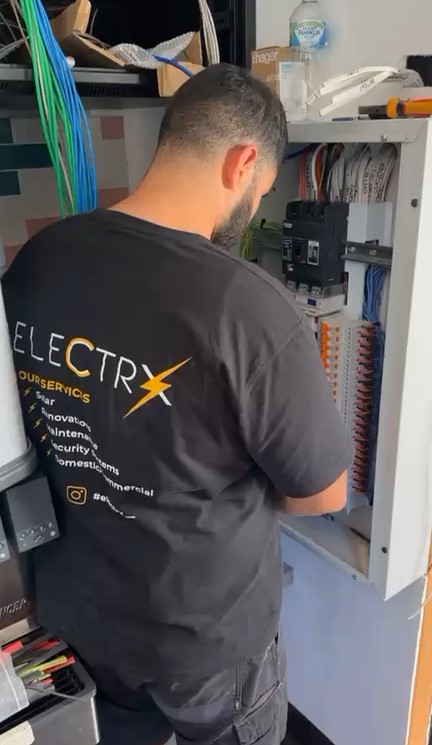
5. What Can You Expect When We Investigate a Non-Functional Power Point?
When one of our electricians arrives to address a non-working power point, the procedure involves tracing the fault from the outlet back to the switchboard. Depending on our findings, the visit typically includes:
- Testing the output at the power point.
- Inspecting the wiring and terminals within the socket.
- Testing the circuit associated with the power point.
- Examining the breakers and safety switches on your switchboard.
- Replacing or upgrading the malfunctioning power point.
Before any work commences, we will discuss our findings and recommendations with you. A Certificate of Electrical Safety serves as legal documentation for the work completed by a registered electrical contractor or licensed electrician, and Energy Safe Victoria includes power points within the scope of this certificate (Energy Safe Victoria, Certificates of Electrical Safety for consumers). If the problem extends beyond one outlet, our electrical fault-finding service can trace it throughout the circuit.
6. Why Consider Upgrading Your Power Points During the Same Visit?
If one power point has failed and others in the room are old, cracked, or discoloured, it may be prudent to replace them all in one visit. While the electrician is on-site, we can also:
- Install USB power points.
- Fit weatherproof outdoor power points.
- Replace double power points with quad outlets.
- Relocate power points or install new ones in living areas, bedrooms, or kitchens.
For more information about the services we provide in homes across Melbourne’s western suburbs, please visit our residential electrician page.
Frequently Asked Questions Regarding Non-Functional Power Points

Schedule an Inspection for a Faulty Power Point in Melbourne’s Western Suburbs
A non-working power point may indicate a simple problem like a tripped switch that you can reset, or it could signal a more serious wiring issue. If the troubleshooting steps outlined above do not resolve the problem, Electrx Electricians can accurately diagnose the cause and ensure the outlet is safe. We are a Registered Electrical Contractor (REC 31135) based in Brooklyn. You can reach us at 0447 139 493 or book a visit online.
Find Electricians Near You
Original Article First Published At: Power Point Not Working? Here’s What to Check Before You Call
The Article: Power Point Not Working? Essential Checks Before Calling for Help first appeared on https://writebuff.com
The post Powerpoint Not Working? Key Checks Before Seeking Help appeared first on Limits Of Strategy.
References: