Identifying Signs That Your Child Needs an Eye Examination
Deciding if your child requires glasses can be a tough challenge. Unlike adults, children often don’t articulate vision concerns. They lack a frame of reference, which means symptoms like blurry text, eye strain, or the sensation that words are shifting may not seem unusual to them. Adults, having more life experience, can more readily identify when something is wrong. In contrast, children usually display vision problems through behavioural changes rather than direct complaints. Here are eight common signs that indicate it might be time to arrange an eye exam for your child.
Understanding the Link Between Headaches and Eye Strain in Children
Has your child been suffering from headaches or reporting sore eyes, particularly after school or during homework? When children have trouble seeing clearly, they often strain their eyes to focus, resulting in headaches or fatigue by the end of the day.
Is Your Child Having Trouble Tracking Words While Reading?
When reading together, do you notice your child skipping words or whole lines, or perhaps using their finger to follow the text? This behaviour might seem careless, but it often signifies a visual processing issue, such as poor eye tracking, making it difficult for them to smoothly transition their gaze across the page.
What Does It Mean If Your Child Reverses Letters or Words?
Reversing letters is common among children up to around seven years old and typically does not raise concerns. Many incorrectly associate writing letters backwards with dyslexia, which is often not the case. If this behaviour persists beyond the early years, it could be worthwhile to investigate potential visual processing difficulties.
Should You Be Alarmed If Your Child Squints?
Squinting can indicate a refractive error—a condition where the eye’s shape prevents light from focusing properly on the retina. By squinting, children can temporarily improve clarity, often without realising it. Refractive errors may include conditions like astigmatism and myopia (short-sightedness), all of which can be easily diagnosed during an eye examination.
Is Your Child Sitting Too Close to Screens?
Have you noticed your child holding their tablet or phone extremely close to their face or leaning in closer to the television? Some children even tilt their heads down towards the screen. This behaviour often indicates myopia, where clear vision is only possible for nearby objects.
What Does Frequent Eye Rubbing Indicate?
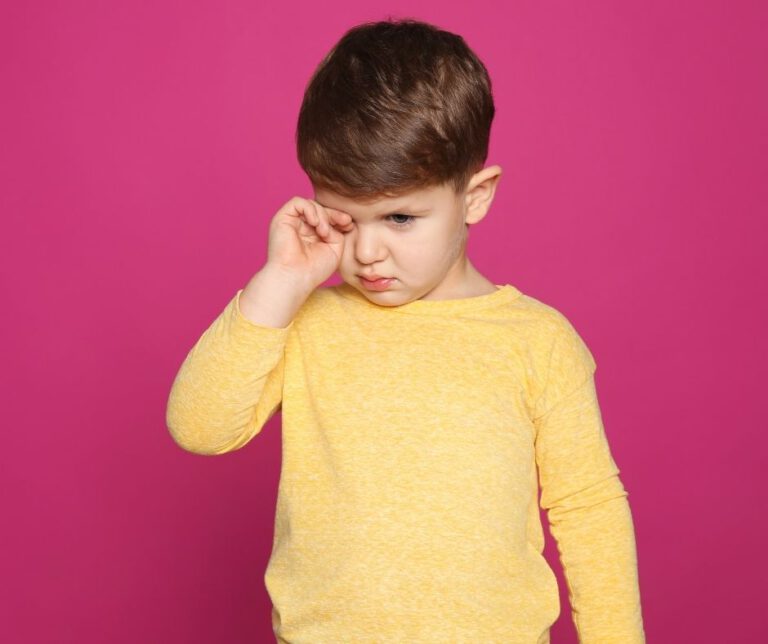
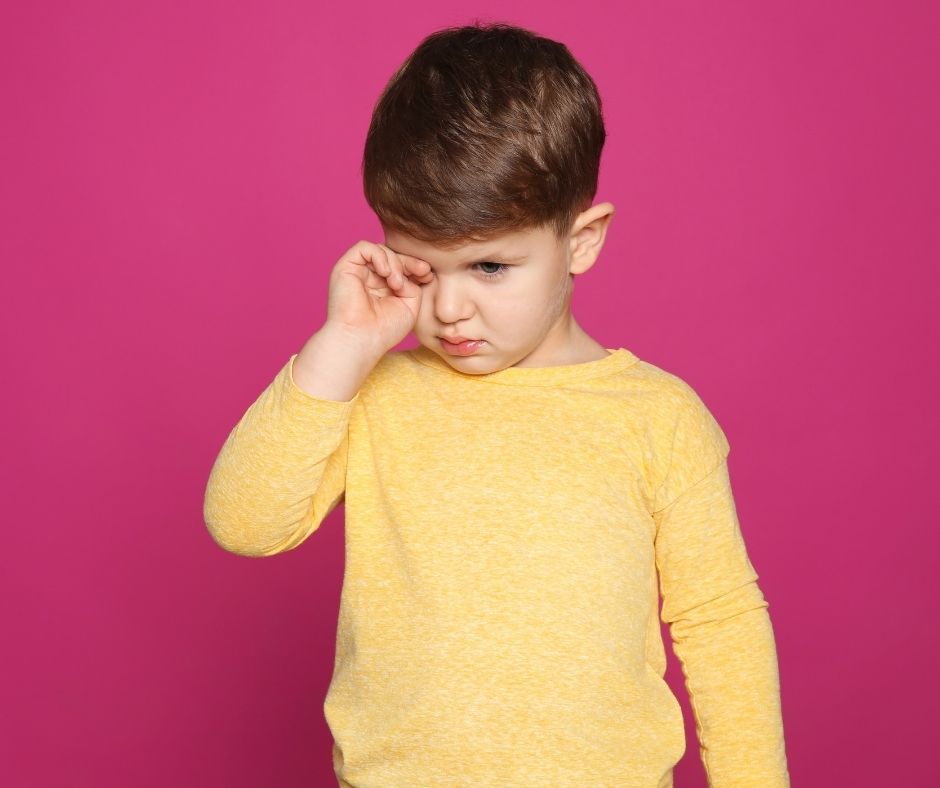
While occasional eye rubbing is usually harmless, frequent rubbing can indicate eye strain or fatigue. This behaviour may point to other issues, ranging from common infections like conjunctivitis to more serious conditions that warrant further evaluation. If your child often rubs their eyes, scheduling an eye check-up is advisable.
Why Does Your Child Cover One Eye While Trying to Focus?
If you notice your child covering one eye or tilting their head to see better, they may be adjusting their position for improved vision. This behaviour could point to amblyopia, commonly known as lazy eye, which is one of the most prevalent vision conditions in children. Early detection is crucial, as this condition responds well to treatment.
Is Your Child Struggling to Maintain Focus?
Many children occasionally experience difficulties with concentration, which is not always related to vision issues. If a teacher has noted that your child frequently loses focus in class, consider whether visual problems might be contributing. In a classroom environment, children must shift their gaze between their desk, the teacher, and the board. If their eyes struggle to move smoothly between near and far objects, this constant effort can lead to fatigue and distract them from their tasks.
How Can You Rely on Your Parental Instincts Regarding Vision Concerns?
As a parent, you possess a unique understanding of your child’s behaviour and can often sense when something is off. While the signs mentioned do not definitively indicate vision problems on their own and may have other explanations, if you observe multiple signs or a recurring issue, it is wise to arrange an eye examination for your child. An eye test can provide reassurance, and if there are any issues, early detection can significantly improve your child’s comfort while reading, learning, and playing.
What Should You Do If You Suspect Vision Issues?
The most effective way to determine if your child has a vision problem is to schedule an eye examination. Even if your child already wears glasses, an annual check-up is vital to ensure their prescription remains accurate as they grow. A comprehensive eye test evaluates not only their ability to read letters on a chart but also assesses how well their eyes work together, their focusing capabilities, and their tracking skills.
Why Opt for a Behavioural Optometrist for Your Child’s Eye Care?
At Eyes By Design, our team comprises behavioural optometrists with specialised training in understanding how children perceive and interpret visual information. Our assessments extend beyond mere clarity of sight; we evaluate eye teaming, focusing, and tracking skills that are essential for reading and learning. For nearly two decades, we have been committed to examining children, prescribing, fitting, and dispensing eyewear on the Central Coast, prioritising both accuracy and comfort.
In some cases, we may recommend vision therapy to enhance visual and processing skills. When this is necessary, we will thoroughly explain what the therapy involves and its objectives, allowing you to make an informed decision regarding your child’s needs.
What Should You Do If Your Child Needs Glasses?
If your child needs glasses and feels anxious about it, know that you are not alone. There are several ways to help them adjust. Refer to our guide, Tips to Help Your Child Love Their Glasses, for practical strategies to ease the transition.
How Can We Assist in Supporting Your Child’s Vision?
Selecting and fitting glasses is just one aspect of our services. We also provide adjustments and repairs for active children, and every pair of glasses purchased from Eyes By Design includes a minimum twelve-month warranty on the frame, with some brands offering an extended two-year warranty. As your local optometrists in Kincumber, our aim is to support your child’s vision as they continue to grow.
Frequently Asked Questions by Parents Regarding Eye Health
How Frequently Should Children Have Eye Tests?
As a general guideline, children should have an eye examination every twelve months or sooner if you observe any of the signs mentioned earlier or if advised by your optometrist. Regular check-ups enable us to monitor changes related to growth and the increasing demands of their schoolwork.
Can a Child Have Vision Problems Yet Pass a School Screening?
Yes, this is indeed possible. School screenings typically assess only distance vision, which means they can overlook challenges related to focusing, eye teaming, and tracking—skills that are essential for reading and engaging in classroom activities. A comprehensive eye test carried out by an optometrist evaluates how the eyes function together, rather than simply assessing how far down the chart your child can read.
When Should My Child Have Their First Eye Test?
If you haven’t noticed any issues, a good guideline is to schedule an eye test before your child starts school, ensuring any potential problems are identified before they impact their learning. If you observe any signs at any age, do not hesitate to arrange an examination sooner.
Original Article First Published At: Does Your Child Need an Eye Exam?
The Article: Eye Exam for Your Child: Do They Need One? first appeared on https://writebuff.com
The Article Eye Exam for Your Child: Is It Necessary? Was Found On https://limitsofstrategy.com
References:
Https://limitsofstrategy.com/eye-exam-for-your-child-is-it-necessary/
https://homerenonews.com.au/eye-exam-for-your-child-understanding-its-importance/